Embark on a journey to explore the world’s most unique geotourism adventures in remote locations. From Arctic expeditions to spiritual pilgrimages, get ready to discover the extraordinary experiences that await you in these hidden gems of the earth.
Unveil the secrets of these remote destinations and delve into a world of unparalleled beauty and cultural richness, making each adventure a truly unforgettable experience.
Shopping Vacation
Shopping vacations in unique geotourism destinations offer a distinctive appeal for tourists seeking authentic and locally made products. These experiences go beyond the typical souvenir shopping and provide a glimpse into the traditional crafts and culture of the region.
Differences in Shopping Experiences
Unlike shopping in urban areas filled with mass-produced goods, shopping in remote locations often involves purchasing handcrafted items directly from local artisans. This creates a more personal connection with the products and a deeper appreciation for the craftsmanship involved.
Local Products and Crafts
- Handwoven textiles: In regions known for their weaving traditions, tourists can purchase beautifully crafted textiles ranging from clothing to home decor.
- Handmade pottery: Local potters create unique pieces reflecting the region’s cultural heritage, making them valuable souvenirs for visitors.
- Artisanal food products: From homemade jams to locally produced cheeses, tourists can indulge in the flavors of the area and bring home a taste of their travel experience.
- Hand-carved wooden items: Wooden carvings, such as figurines and decorative pieces, showcase the skills of local woodworkers and make for meaningful gifts.
Arctic and Polar Expeditions
Embarking on Arctic and Polar expeditions presents both challenges and rewards for adventurous travelers seeking unique geotourism experiences. These remote regions offer unparalleled opportunities to witness breathtaking landscapes, encounter diverse wildlife, and immerse oneself in the pristine beauty of the icy wilderness.
Unique Wildlife Encounters
Exploring the Arctic and Polar regions provides a rare chance to observe a wide array of unique wildlife in their natural habitats. From majestic polar bears and playful seals to agile Arctic foxes and migratory birds, each encounter offers a glimpse into the intricate ecosystems that thrive in these extreme environments. Witnessing these incredible creatures up close is a humbling and unforgettable experience that highlights the importance of conservation efforts to protect their habitats.
Sustainable Tourism Practices
Preserving the fragile Arctic and Polar ecosystems is crucial for the long-term viability of geotourism in these remote regions. Implementing sustainable tourism practices, such as minimizing carbon footprints, supporting local communities, and respecting wildlife sanctuaries, is essential to ensure that future generations can continue to appreciate the natural wonders of the Arctic and Polar regions. By promoting responsible travel and environmental stewardship, travelers can contribute to the conservation of these pristine landscapes and help safeguard them for years to come.
Music Festival Tour
Music festival tours combine the thrill of live music with the adventure of exploring remote locations. These unique experiences offer travelers a chance to immerse themselves in the local culture, enjoy stunning landscapes, and create unforgettable memories.
Remote Location Highlight: Reykjavik, Iceland
Reykjavik, Iceland is known for hosting extraordinary music festivals such as the Iceland Airwaves and Secret Solstice. These festivals take place against the backdrop of Iceland’s breathtaking natural beauty, adding an extra layer of magic to the music experience.
Some of the world’s biggest acts perform at these festivals, drawing music lovers from all over the globe. From indie rock to electronic music, there is something for every musical taste. Attendees can dance under the midnight sun or catch a performance in a unique venue like a lava cave, creating a truly unforgettable experience.
Rainforest Exploration
Rainforests are incredibly diverse ecosystems that are home to a wide variety of plant and animal species. The biodiversity found in remote rainforests is of significant importance for ecotourism, as it provides travelers with the opportunity to experience unique and rare flora and fauna.
Tips for Sustainable Rainforest Exploration
- Stay on designated trails to minimize your impact on the environment.
- Avoid touching or disturbing plants and animals to preserve their natural habitat.
- Respect the local culture and customs of indigenous communities living in or near the rainforest.
- Support eco-friendly tour operators who prioritize conservation efforts.
Cultural Significance of Rainforests to Indigenous Communities
Rainforests hold immense cultural significance for indigenous communities living in remote locations. These communities often rely on the resources provided by the rainforest for their livelihoods, traditional medicines, and spiritual practices. The preservation of rainforests is crucial for the survival and well-being of these indigenous groups.
Spiritual Pilgrimage
Embarking on a spiritual pilgrimage in a remote geotourism destination holds immense significance for travelers seeking a deeper connection with their faith or inner selves. The journey to these sacred sites often involves physical challenges, solitude, and reflection, allowing pilgrims to detach from the distractions of everyday life and focus on their spiritual growth.
Spiritual Experiences
- Many travelers have shared profound experiences of peace, enlightenment, and a sense of oneness with nature during their spiritual pilgrimages. The awe-inspiring landscapes and serene surroundings of remote locations often serve as a catalyst for spiritual awakening.
- Visiting ancient temples, monasteries, or holy sites in these geotourism destinations can evoke a sense of reverence and connection to centuries-old traditions and beliefs. Pilgrims often report feeling a deep sense of spiritual fulfillment and renewal after their journey.
- Some travelers have encountered spiritual teachers, wise elders, or fellow pilgrims who have imparted valuable insights and guidance during their pilgrimage. These encounters can lead to profound personal transformations and a deeper understanding of one’s spiritual path.
Impact on Local Communities
- Spiritual tourism can have a positive impact on local communities by promoting cultural exchange, preserving ancient traditions, and supporting sustainable tourism practices. Pilgrims often engage with local residents, participate in traditional rituals, and contribute to the economic development of remote villages.
- Local communities may benefit from the influx of pilgrims through increased job opportunities, preservation of historical sites, and the revitalization of traditional crafts and practices. The exchange of spiritual knowledge and cultural traditions can foster mutual respect and understanding between visitors and locals.
- However, it is essential for spiritual pilgrims to respect the customs, beliefs, and environment of the local communities they visit. Sustainable tourism practices, ethical conduct, and responsible travel behavior are crucial to ensuring that spiritual tourism leaves a positive impact on both the pilgrims and the destinations they visit.
Geotourism Adventure
Geotourism focuses on promoting responsible travel practices that enhance the cultural and natural heritage of a destination. It encourages visitors to explore unique geological features, biodiversity, and local communities in a sustainable manner.
Unique Geotourism Adventures
- Exploring volcanic landscapes in Iceland, including hiking to lava fields, soaking in geothermal hot springs, and witnessing the Northern Lights.
- Visiting the Galapagos Islands to observe diverse wildlife, such as marine iguanas and blue-footed boobies, while learning about the delicate ecosystem.
- Embarking on a fossil hunting expedition in the Badlands of South Dakota, uncovering ancient remains and learning about the geology of the region.
Benefits of Geotourism
- For Travelers: Geotourism adventures offer a deeper connection to the natural environment, providing educational opportunities and unique experiences that go beyond traditional sightseeing.
- For Local Communities: Engaging in geotourism experiences can support conservation efforts, preserve cultural heritage, and generate economic benefits for residents through sustainable tourism practices.
Birdwatching Vacation
Birdwatching vacations in remote locations offer a unique opportunity to immerse yourself in the natural beauty of diverse bird species. It allows enthusiasts to observe these fascinating creatures in their natural habitats, away from the hustle and bustle of urban life.
Appeal of Birdwatching Vacations
- Experience the thrill of spotting rare and exotic bird species.
- Connect with nature and enjoy the peaceful surroundings of remote locations.
- Opportunity to learn more about different bird behaviors and habitats.
Tips for Birdwatching Enthusiasts
- Research the destination and its native bird species beforehand to maximize sightings.
- Invest in quality binoculars and a field guide to aid in bird identification.
- Practice patience and be prepared to spend long hours observing and waiting for birds to appear.
Role of Birdwatching in Conservation
Birdwatching plays a crucial role in promoting conservation efforts and environmental awareness by highlighting the importance of preserving natural habitats for bird species. It helps raise awareness about the threats birds face, such as habitat loss and climate change, and encourages people to take action to protect these vulnerable creatures and their ecosystems.
Remote Island Retreat
Remote island retreats offer a unique opportunity for travelers to escape the hustle and bustle of everyday life and immerse themselves in solitude and natural beauty. The allure of these secluded destinations lies in their pristine landscapes, crystal-clear waters, and unspoiled beaches, providing a perfect setting for relaxation and rejuvenation.
Exploring lesser-known remote islands can lead to unforgettable experiences off the beaten path. Islands like Saba in the Caribbean, Lundy in the UK, and Lamu in Kenya offer a tranquil retreat away from the crowds, with opportunities for hiking, wildlife spotting, and cultural immersion. These hidden gems provide a chance to connect with nature and local communities in a more intimate setting.
Challenges and Benefits of Sustainable Tourism on Remote Islands
- Challenges:
- Preserving the fragile ecosystems of remote islands from the impact of tourism activities.
- Managing waste disposal and resource consumption in isolated environments.
- Balancing the need for economic development with the preservation of traditional cultures.
- Benefits:
- Promoting conservation efforts and raising awareness about the importance of protecting remote island habitats.
- Creating opportunities for local communities to benefit from tourism through sustainable practices.
- Enhancing cultural exchange and understanding between visitors and residents of remote islands.
Volunteer Vacation
Volunteer vacations are a unique way for individuals to travel to remote locations and contribute to the local communities through meaningful volunteer work. These trips provide an opportunity for travelers to immerse themselves in a different culture, make a positive impact, and gain a new perspective on life.
Impact on Local Communities
Volunteer vacations have a significant impact on local communities in remote locations by providing much-needed support in various areas such as conservation, education, healthcare, and community development. By volunteering their time and skills, travelers can help improve the quality of life for residents, preserve the environment, and promote sustainable practices.
- Examples of Volunteer Opportunities:
- 1. Assisting with wildlife conservation projects in the Galapagos Islands.
- 2. Teaching English to children in rural villages in Nepal.
- 3. Participating in reef clean-up efforts in the Caribbean.
- 4. Building homes for families in need in Guatemala.
Personal Growth and Fulfillment
Volunteers who participate in these vacations often experience personal growth, fulfillment, and a sense of purpose. By stepping out of their comfort zones, working alongside locals, and facing new challenges, volunteers can develop valuable skills, build meaningful connections, and gain a deeper appreciation for different cultures and ways of life.
Farm Stay Vacation
Farm stay vacations offer a unique opportunity for travelers to immerse themselves in rural life and experience agricultural practices firsthand. It provides a chance to connect with nature, support local farmers, and gain insights into sustainable agriculture.
Benefits of Farm Stay Vacations
- Experience the rural way of life and escape the hustle and bustle of city living.
- Learn about different farming techniques and participate in daily farm activities.
- Enjoy fresh, organic produce straight from the farm to the table.
- Support local communities and contribute to sustainable agriculture practices.
Memorable Experiences During Farm Stays
- Waking up to the sound of roosters crowing and breathing in the fresh country air.
- Helping farmers milk cows, feed animals, or harvest crops.
- Participating in cooking classes using farm-fresh ingredients.
- Connecting with fellow travelers over bonfires and stargazing nights.
Supporting Local Farmers and Sustainable Agriculture
- By choosing farm stay vacations, travelers directly support local farmers and their families.
- Encouraging sustainable agriculture practices helps preserve the environment and protect natural resources.
- Promoting farm-to-table experiences fosters a deeper appreciation for where food comes from and how it is produced.
- Creating partnerships between travelers and farmers strengthens rural economies and promotes community resilience.
Educational Vacation
Taking an educational vacation in remote locations can provide a unique opportunity to learn about different cultures, environments, and histories while exploring the world. These trips offer a hands-on approach to learning that traditional classroom settings cannot replicate.
Examples of Educational Programs
- Field studies in geology and ecology in the Galapagos Islands
- Archaeological digs and historical workshops in ancient ruins in Peru
- Marine biology research programs in the Great Barrier Reef
Long-term Benefits of Combining Travel with Learning
- Enhanced cultural awareness and appreciation for diversity
- Development of critical thinking and problem-solving skills
- Increased global perspective and understanding of interconnectedness
Hiking and Trekking
Exploring remote wilderness areas through hiking and trekking offers a unique and rewarding adventure for outdoor enthusiasts. The experience of immersing oneself in nature, away from the hustle and bustle of city life, can be truly rejuvenating and inspiring.
Tips for Planning a Hiking or Trekking Adventure
- Research the area: Familiarize yourself with the terrain, climate, and wildlife of the remote location you plan to visit.
- Pack appropriately: Ensure you have the necessary gear, including sturdy hiking boots, a reliable map, first-aid kit, and plenty of water and snacks.
- Inform others: Always let someone know your hiking plans, including your route and expected return time, for safety purposes.
- Start slow: If you are new to hiking or trekking, begin with shorter routes and gradually increase the difficulty level as you gain experience.
- Respect nature: Leave no trace behind, follow designated trails, and adhere to any environmental guidelines to preserve the wilderness.
Physical and Mental Benefits of Hiking in Remote Locations
- Physical fitness: Hiking and trekking help improve cardiovascular health, muscle strength, and overall endurance.
- Mental well-being: Being surrounded by nature can reduce stress, anxiety, and depression, while boosting mood and cognitive function.
- Sense of accomplishment: Completing a challenging hike or trek can instill a sense of achievement and confidence.
- Connection with nature: Immersing oneself in the beauty of remote wilderness areas can foster a deeper appreciation for the environment.
- Social bonding: Hiking with friends or joining group treks can strengthen relationships and create lasting memories.
Camping
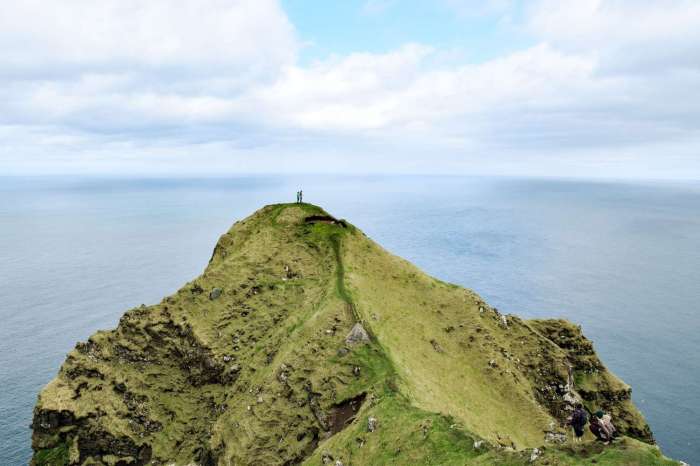
Camping in remote locations offers a unique opportunity to connect with nature and enjoy the serene beauty of untouched landscapes. It allows travelers to immerse themselves in the wilderness and experience a sense of freedom and adventure. However, camping in remote areas requires careful planning and preparation to ensure a safe and enjoyable trip.
Necessary Preparations for a Successful Camping Trip
- Research the camping area and obtain any required permits or permissions.
- Pack appropriate gear, including a sturdy tent, sleeping bag, cooking supplies, and clothing suitable for the weather conditions.
- Bring sufficient food and water to last the duration of your trip, as well as a way to purify water from natural sources.
- Prepare for emergencies by carrying a first aid kit, navigation tools, and communication devices.
Camping Tips for Wilderness Travelers
- Set up camp at least 200 feet away from water sources to minimize impact on the environment.
- Avoid leaving any trace of your presence by packing out all trash and waste.
- Respect wildlife by observing from a distance and not feeding or approaching animals.
- Follow fire safety guidelines and regulations, using designated fire pits or stoves where permitted.
- Be mindful of noise levels to preserve the tranquility of the wilderness for yourself and other campers.
Importance of Leave No Trace Principles
Leave No Trace principles are essential in preserving the natural beauty of remote camping sites and minimizing the impact of human activities on the environment. By following these principles, campers can ensure that future generations will be able to enjoy the same pristine wilderness experiences.
Cycling and Mountain Biking
Cycling and mountain biking offer a unique way to explore remote and rugged terrains, providing adventurers with an exhilarating experience while immersing themselves in the beauty of nature.
Exploring Geotourism Destinations on Two Wheels
- Research and choose geotourism destinations that are suitable for cycling and mountain biking, considering factors such as terrain difficulty, weather conditions, and available routes.
- Ensure you have the appropriate gear and equipment for cycling in remote locations, including a reliable bike, helmet, repair kit, and navigation tools.
- Respect local regulations and trail etiquettes to minimize environmental impact and preserve the natural surroundings for future generations.
- Join guided cycling tours or groups to enhance safety and meet like-minded adventurers who share a passion for exploring geotourism destinations on two wheels.
Environmental Impact of Cycling Tourism
- Cycling tourism in remote locations can have both positive and negative environmental impacts, depending on how it is managed and practiced.
- By choosing cycling as a mode of transportation, adventurers can reduce their carbon footprint and minimize pollution compared to motorized vehicles.
- However, improper trail use, soil erosion, and disturbance of wildlife habitats can occur if cyclists do not follow sustainable practices and respect the natural environment.
- Supporting local conservation initiatives and participating in trail maintenance programs can help mitigate the environmental impact of cycling tourism in remote locations.
Fishing and Angling
Fishing and angling in remote locations offer a unique and rewarding experience for nature enthusiasts and adventure seekers. The thrill of catching a variety of fish species in untouched waters is unparalleled.
Variety of Fish Species
When fishing in remote locations, anglers can expect to catch a diverse range of fish species. From trout and salmon in cold-water rivers to marlin and tuna in deep-sea expeditions, each location offers its own set of unique species to target.
Responsible Fishing Practices
- Practice catch and release to conserve fish populations.
- Use barbless hooks to minimize harm to fish during catch and release.
- Follow local fishing regulations and size limits to ensure sustainability.
- Properly dispose of fishing lines and tackle to prevent environmental damage.
Cultural Significance
Fishing holds significant cultural importance for local communities in remote areas. It is not only a means of sustenance but also a deeply ingrained part of their heritage and traditions. The connection between fishing and the local culture adds a rich layer of authenticity to the fishing experience in these remote locations.
Kayaking and Canoeing
Kayaking and canoeing offer unique perspectives when exploring remote waterways. These activities allow travelers to immerse themselves in nature, experience breathtaking landscapes, and access hidden gems that are often unreachable by other means of transportation.
Safety Tips for Kayaking and Canoeing Adventures
- Always wear a life jacket and ensure it fits properly.
- Check the weather conditions before heading out and be prepared for unexpected changes.
- Inform someone about your paddling route and expected return time.
- Stay hydrated and protect yourself from the sun by wearing sunscreen and a hat.
- Bring essential safety gear such as a whistle, flashlight, and first aid kit.
Respecting Wildlife and Natural Habitats
- Avoid disturbing wildlife by keeping a safe distance and observing quietly.
- Do not feed wild animals or leave any trash behind.
- Respect protected areas and follow any regulations in place to preserve the environment.
- Stay on designated waterways to avoid damaging sensitive habitats.
- Leave no trace and take all waste with you to protect the natural beauty of remote locations.
Rock Climbing and Bouldering
Rock climbing and bouldering in remote, untouched locations offer a unique and exhilarating experience for adventure seekers. The challenges and rewards of scaling cliffs and boulders in these pristine environments are unmatched, providing a sense of accomplishment and connection with nature.
Equipment and Skills
- Essential equipment for rock climbing and bouldering includes climbing shoes, harness, ropes, carabiners, and chalk for better grip.
- Proficiency in belaying, knot tying, and climbing techniques is crucial for safety and success in these activities.
- Physical strength, agility, problem-solving skills, and mental focus are key attributes for rock climbers and boulderers.
Importance of Ethics and Conservation
- Respecting climbing ethics, such as leaving no trace, minimizing impact on the environment, and following established climbing routes, is essential to preserve the natural beauty of remote locations.
- Practicing conservation measures, such as staying on designated trails, avoiding disturbing wildlife, and properly disposing of waste, helps protect the delicate ecosystems of these areas.
- Participating in local initiatives and supporting conservation organizations can contribute to the long-term sustainability of rock climbing and bouldering in remote locations.
Wildlife Watching and Birding
Embark on an unforgettable journey to witness the wonders of wildlife watching and birding in some of the most remote and pristine habitats on the planet. Immerse yourself in the beauty of nature and observe elusive species in their natural environments.
Thrill of Wildlife Watching
- Experience the excitement of spotting rare and majestic creatures such as tigers, bears, and elephants in their natural habitats.
- Learn about the importance of conservation efforts to protect these endangered species and their ecosystems.
- Engage with local guides and experts who will enhance your wildlife watching experience with their knowledge and insights.
Birding in Remote Habitats
- Discover the diverse array of bird species that inhabit remote locations, from colorful tropical birds to majestic birds of prey.
- Learn about the unique behaviors and habitats of different bird species, and how they contribute to the ecosystem.
- Participate in birding tours and expeditions led by experienced birdwatchers, who will help you identify and appreciate the beauty of each bird species.
Role in Conservation
- Understand the crucial role of wildlife watching and birding in raising awareness about the importance of conservation and biodiversity.
- Support local conservation initiatives and organizations that work to protect wildlife and their habitats.
- Take part in responsible wildlife watching practices to ensure minimal impact on the environment and wildlife populations.
Trail Running
Trail running in remote and scenic locations offers a unique and exhilarating experience for adventurers seeking to connect with nature while pushing their physical limits. The combination of challenging terrains, stunning landscapes, and fresh air creates a sense of freedom and excitement that is hard to replicate in urban settings.
Training Tips for Trail Runners
- Include uphill and downhill running in your training routine to prepare for varying terrains.
- Practice running on uneven surfaces to improve balance and stability.
- Invest in proper trail running shoes with good grip to prevent slips and falls.
- Stay hydrated and carry nutrition for longer trail runs to sustain energy levels.
- Gradually increase the distance and intensity of your runs to build endurance and strength.
Benefits of Trail Running in Natural Settings
Trail running not only provides a physical workout but also offers mental health benefits by allowing runners to disconnect from the hustle and bustle of daily life and immerse themselves in the beauty of nature. The fresh air, scenic views, and challenging terrains help reduce stress, improve focus, and boost overall well-being. Additionally, the constantly changing landscapes keep the mind engaged and enhance the sense of adventure and exploration.
Adventure Sports
Adventure sports in remote geotourism destinations offer thrill-seekers the opportunity to push their limits and immerse themselves in the natural beauty of these unique locations. From rock climbing to whitewater rafting, there are a variety of adrenaline-pumping experiences awaiting travelers.
Range of Adventure Sports
- Rock Climbing and Bouldering: Scaling steep cliffs and boulders in remote locations provides a challenging and exhilarating experience for adventure enthusiasts.
- Whitewater Rafting: Navigating through fast-flowing rivers and rapids offers an exciting and adrenaline-fueled ride for those seeking a water-based adventure.
- Ziplining: Soaring through the treetops on a zipline provides a unique perspective of the surrounding landscape and a rush of excitement.
- Canyoning: Exploring canyons by rappelling down waterfalls and sliding through narrow passages combines adventure with the beauty of nature.
- Paragliding: Taking to the skies and gliding over breathtaking landscapes offers a sense of freedom and an unmatched aerial view of the destination.
Travelers’ Experiences
“I’ll never forget the rush of adrenaline I felt while rock climbing in the remote mountains. The sense of accomplishment when reaching the summit was truly unforgettable.”
Adventure Traveler
“Whitewater rafting down the raging river was both thrilling and awe-inspiring. The sheer power of nature was on full display, and it was an experience like no other.”
Outdoor Enthusiast
Importance of Safety Measures
Adventure sports come with inherent risks, and it is crucial for travelers to prioritize safety at all times. Proper equipment, experienced guides, and adherence to safety protocols can help ensure a thrilling yet secure adventure experience. Responsible tourism practices, such as leaving no trace and respecting the local environment, are also essential when engaging in adventure sports in remote locations.
Last Point
As we conclude our exploration of unique geotourism adventures in remote locations, remember that the world is full of wonders waiting to be discovered. Whether you seek adrenaline-pumping activities or serene retreats, these hidden gems offer something for every traveler seeking a deeper connection with nature and culture.
Frequently Asked Questions
What makes geotourism adventures in remote locations unique?
Geotourism adventures in remote locations offer a deeper connection to nature and culture, providing travelers with authentic and off-the-beaten-path experiences.
Are these adventures suitable for all age groups?
While some adventures may require a certain level of physical fitness, there are geotourism activities suitable for a wide range of age groups, ensuring everyone can partake in the exploration.
How can one ensure sustainability while participating in these adventures?
It is crucial to follow sustainable travel practices, respect local communities and environments, and support conservation efforts to ensure the long-term preservation of these remote locations.