Embark on a journey into the world of trekking gear and essentials, where preparation meets exploration in the great outdoors. Discover the key elements that ensure a successful and enjoyable trekking experience.
From the right clothing to essential equipment, this guide will equip you with the knowledge needed to conquer the trails and embrace the beauty of nature.
Trekking Gear and Essentials
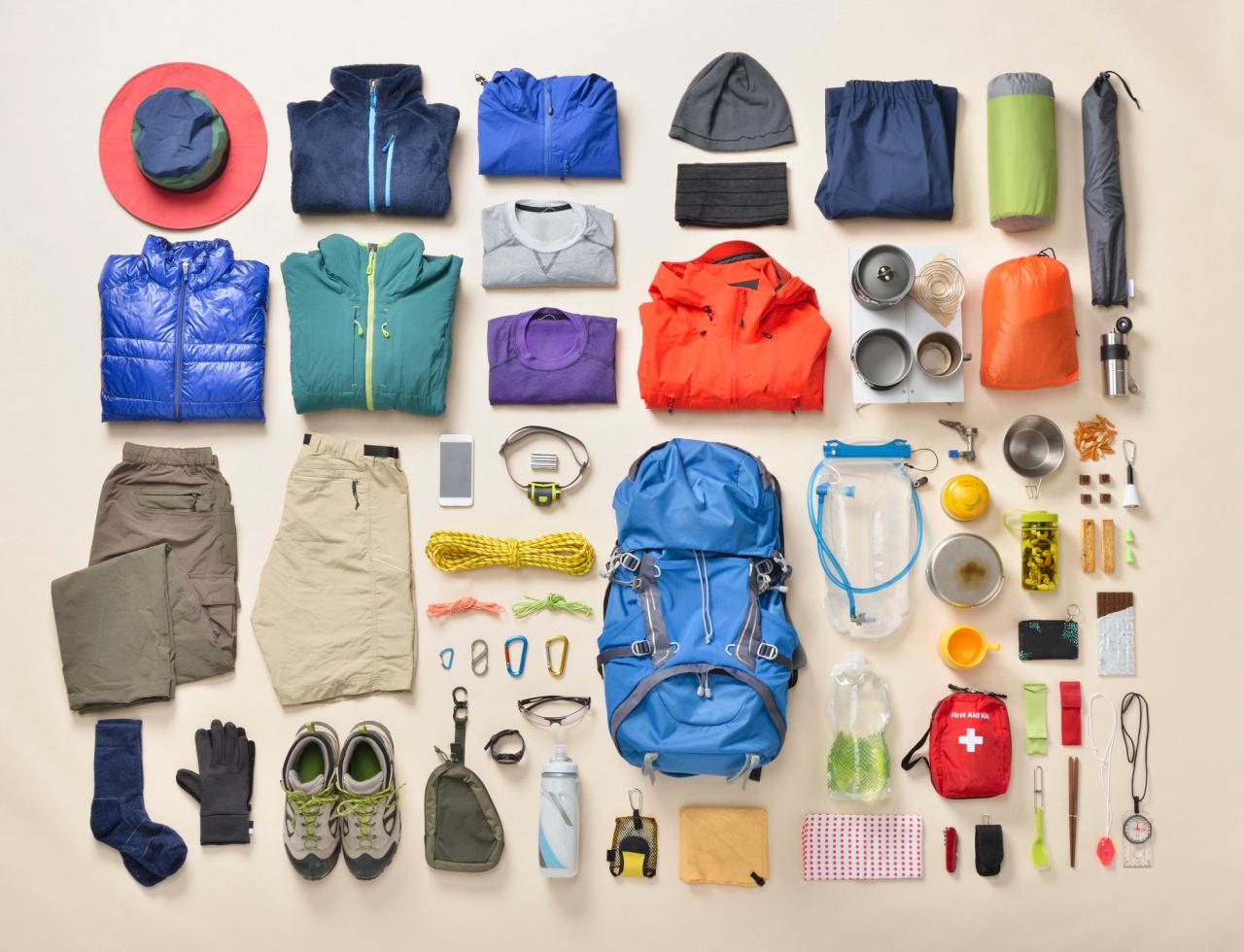
When preparing for a trekking trip, having the right gear and essentials is crucial for a safe and enjoyable journey. Here are some essential items to consider:
Essential Clothing Items for Trekking
- Moisture-wicking base layers to keep you dry and comfortable
- Insulating layers such as fleece or down jackets for warmth
- Waterproof and windproof outer layers to protect against the elements
- Quick-drying pants and shorts for flexibility and comfort
- Hiking socks to prevent blisters and provide cushioning
Must-Have Equipment for a Successful Trekking Trip
- A sturdy and comfortable backpack to carry all your gear
- A reliable tent and sleeping bag for overnight treks
- A quality sleeping pad for insulation and comfort
- A portable stove and fuel for cooking meals on the trail
- A navigation tool such as a map, compass, or GPS device
Importance of Proper Footwear in Trekking
Proper footwear is essential for trekking as it provides stability, support, and protection for your feet. Ill-fitting or inadequate shoes can lead to discomfort, blisters, and even injuries. Invest in a good pair of hiking boots or shoes that are waterproof, durable, and provide good traction on varied terrain.
Significance of Carrying a First Aid Kit While Trekking
Accidents can happen anytime during a trek, so it is crucial to have a first aid kit on hand to address minor injuries and emergencies.
A well-stocked first aid kit should include essentials such as bandages, antiseptic wipes, pain relievers, blister pads, and any personal medications. Being prepared can make a significant difference in handling unexpected situations while on the trail.
Shopping Vacation
When going on a vacation, shopping for unique souvenirs can be a memorable experience. Exploring local markets allows you to immerse yourself in the culture of the destination and bring back special items to cherish.
Finding Unique Souvenirs
One tip for finding unique souvenirs is to avoid touristy areas and instead venture into local markets or artisan shops. Look for handmade items or traditional crafts that reflect the local culture.
Exploring Local Markets
Exploring local markets during a shopping vacation is a great way to interact with locals and learn about their way of life. You can sample local delicacies, observe artisans at work, and discover hidden gems that may not be found in mainstream stores.
Supporting Local Artisans and Businesses
By purchasing souvenirs from local artisans and businesses, you are directly contributing to the local economy and helping to preserve traditional crafts. Supporting these individuals also ensures that their skills and heritage are passed down to future generations.
Packing and Transporting Souvenirs
When packing souvenirs to take back home, it is important to choose sturdy containers or packaging to protect fragile items. Consider leaving extra space in your luggage or bringing along a foldable bag for any additional purchases. To prevent damage, wrap delicate items in clothing or bubble wrap and place them in the center of your suitcase surrounded by soft items for cushioning.
Arctic and Polar Expeditions
Embarking on an Arctic or polar expedition requires careful planning and the right gear to ensure safety and comfort in extreme conditions.
Essential Clothing and Gear
When preparing for an Arctic or polar expedition, it is crucial to pack the following essential clothing and gear:
- Insulated and waterproof winter clothing layers
- High-quality cold weather boots
- Thermal gloves and hats
- Snow goggles or sunglasses with UV protection
- A sturdy and warm sleeping bag
- Portable stove and fuel for cooking in extreme conditions
- Navigation tools like a compass and GPS
Safety Measures to Consider
When venturing into the Arctic or polar regions, it is important to keep the following safety measures in mind:
- Always travel with a trained guide or experienced expedition team
- Carry emergency communication devices like a satellite phone or radio
- Be aware of potential risks like frostbite, hypothermia, and polar bear encounters
- Stay hydrated and well-fed to maintain energy levels
- Follow all guidelines and instructions provided by expedition leaders
Wildlife and Landscapes
Arctic and polar expeditions offer a unique opportunity to witness breathtaking wildlife and landscapes, including:
- Polar bears, seals, walruses, and Arctic foxes
- Glistening icebergs, frozen tundras, and snow-covered mountains
- Northern lights dancing across the night sky
- Silent and serene icy landscapes stretching as far as the eye can see
Tips for Staying Warm and Comfortable
To stay warm and comfortable in extreme cold conditions during Arctic or polar expeditions, consider the following tips:
- Dress in layers to trap heat and stay insulated
- Avoid sweating by regulating your body temperature through clothing adjustments
- Keep moving to maintain circulation and body heat
- Stay dry to prevent hypothermia and frostbite
- Stay well-hydrated and nourished to keep up your energy levels
Music Festival Tour
Embarking on a music festival tour is an exciting experience filled with live music, vibrant energy, and unforgettable memories. As you prepare for this adventure, it’s essential to pack the right gear, plan your itinerary, stay hydrated, and fully immerse yourself in the festival atmosphere.
Must-Have Items for a Music Festival Tour
- Comfortable clothing and shoes for long hours of standing and dancing.
- Sunscreen to protect your skin during outdoor performances.
- Earplugs to safeguard your ears from loud music.
- A portable phone charger to stay connected throughout the festival.
- A reusable water bottle to stay hydrated.
Importance of Planning the Festival Itinerary in Advance
Planning your festival itinerary in advance allows you to make the most of your experience. Research the lineup, set times, and any special events to ensure you don’t miss your favorite artists or activities.
Tips for Staying Hydrated and Energized
- Drink plenty of water throughout the day to stay hydrated, especially if the festival takes place outdoors.
- Pack nutritious snacks like granola bars or fruits to keep your energy levels up.
- Take breaks between performances to rest and recharge.
Atmosphere and Overall Experience
Attending a music festival tour offers a unique atmosphere filled with music enthusiasts, positive vibes, and a sense of community. The overall experience is exhilarating, with live performances, interactive art installations, and a chance to discover new music genres and artists.
Rainforest Exploration
Rainforest exploration offers a unique opportunity to immerse oneself in the lush biodiversity of these captivating ecosystems. To make the most of your rainforest adventure, it is essential to be well-prepared with the right gear and clothing, take necessary safety precautions, appreciate the flora and fauna you may encounter, and practice responsible ecotourism.Exploring a rainforest requires specific gear and clothing to ensure comfort and safety.
It is advisable to pack lightweight, quick-drying clothing that offers protection from insects and the elements. Sturdy hiking boots with good traction are essential for navigating slippery terrain, along with a waterproof backpack to carry essentials such as water, snacks, and a first aid kit.Safety is paramount when venturing into a rainforest. Be sure to stay on marked trails, as it is easy to get disoriented in the dense vegetation.
Always carry sufficient water and stay hydrated, especially in humid conditions. Additionally, familiarize yourself with any potential hazards such as venomous snakes or plants, and know how to respond in case of an emergency.Rainforests are home to a vast array of unique flora and fauna, from towering trees to colorful birds and elusive mammals. Keep an eye out for vibrant orchids, towering ferns, and majestic waterfalls as you explore the lush landscape.
Listen for the calls of howler monkeys and the rustling of leaf litter underfoot, signaling the presence of diverse wildlife.Responsible ecotourism practices are crucial to preserving the delicate balance of rainforest ecosystems. Minimize your impact by refraining from littering, respecting wildlife from a safe distance, and supporting local conservation efforts. By treading lightly and leaving only footprints, you can help protect these invaluable habitats for future generations to enjoy.
Spiritual Pilgrimage
Embarking on a spiritual pilgrimage is a deeply personal and transformative journey for many individuals. It involves not only physical travel to sacred sites but also a profound inner exploration of one’s beliefs, values, and connection to the divine.
Significance of Items Carried
On a spiritual pilgrimage, pilgrims often carry specific items that hold symbolic or practical significance. These may include:
- A sacred text or religious scripture for guidance and inspiration.
- An offering such as incense, flowers, or candles to honor the divine.
- A journal or diary to record thoughts, reflections, and experiences along the way.
- A symbolic object or talisman for protection and spiritual connection.
Emotional and Spiritual Aspects
Embarking on a spiritual pilgrimage can evoke a range of emotions, from excitement and anticipation to introspection and awe. It offers pilgrims the opportunity to deepen their spiritual practice, strengthen their faith, and seek answers to profound questions.
Preparing Mentally and Emotionally
Preparing for a spiritual pilgrimage involves more than just packing physical items. It is essential to cultivate a mindset of openness, humility, and receptivity. Tips for mental and emotional preparation include:
- Setting intentions and goals for the pilgrimage.
- Practicing mindfulness and meditation to quiet the mind and deepen spiritual awareness.
- Reflecting on personal beliefs, values, and intentions for the journey.
- Seeking guidance from spiritual mentors or leaders to help navigate the inner journey.
Rituals and Practices
Different types of spiritual pilgrimages involve unique rituals and practices that vary depending on the tradition or belief system. Some common rituals include:
- Circumambulation, or walking in a circular path around a sacred site or object.
- Prayer and meditation at specific times or locations along the pilgrimage route.
- Offerings of prayers, chants, or symbolic gestures to express devotion and gratitude.
- Purification rituals such as bathing in holy waters or fasting to cleanse the body and spirit.
Geotourism Adventure
Geotourism involves exploring unique geological features and landscapes while promoting environmental conservation and supporting local communities. It focuses on sustainable travel practices and appreciation for the Earth’s natural wonders.
Geological Features and Landscapes
Geotourists are attracted to diverse geological features such as volcanoes, caves, rock formations, and natural landmarks like canyons and waterfalls. These sites showcase the Earth’s history and geological processes, offering a deeper understanding of our planet’s natural heritage.
- Volcanoes: Visitors can explore active or dormant volcanoes, witnessing the power of volcanic activity and learning about the formation of volcanic landscapes.
- Caves: Caving adventures allow travelers to discover underground formations, including stalactites, stalagmites, and underground rivers, offering a unique perspective on geological processes.
- Rock Formations: Unique rock formations like hoodoos, arches, and mesas attract geotourists seeking to marvel at the natural forces that shaped these features over time.
Role of Local Communities
Local communities play a crucial role in preserving geotourism sites by providing sustainable tourism practices, protecting the environment, and sharing traditional knowledge with visitors. They contribute to the conservation of these natural wonders and promote cultural exchange between travelers and locals.
- Community-Based Tourism: Engaging with local communities through homestays, cultural experiences, and guided tours helps support livelihoods and ensures the preservation of geotourism sites.
- Environmental Stewardship: Local residents often act as stewards of the land, promoting responsible tourism practices and advocating for the protection of natural resources for future generations.
- Heritage Conservation: Communities safeguard their cultural heritage and traditional practices, offering visitors a deeper connection to the land and its significance in local history.
Tips for Minimizing Environmental Impact
To minimize environmental impact while participating in geotourism adventures, travelers can follow sustainable practices that protect natural ecosystems and reduce their carbon footprint. By adopting eco-friendly habits and supporting local initiatives, visitors can contribute to the preservation of geotourism sites for future generations.
- Reduce Waste: Carry reusable water bottles, utensils, and bags to minimize plastic waste and support recycling efforts in geotourism destinations.
- Respect Wildlife: Observe wildlife from a safe distance, avoid feeding animals, and follow designated trails to protect biodiversity and minimize human disturbance.
- Support Local Conservation Efforts: Contribute to local conservation projects, volunteer with environmental organizations, and participate in eco-friendly initiatives that help preserve geotourism sites.
Birdwatching Vacation
Embark on a birdwatching vacation to immerse yourself in the beauty of avian creatures in their natural habitats. The following essential gear and equipment will enhance your birdwatching experience and help you make the most of your trip.
Essential Gear and Equipment
- Binoculars: Invest in a good pair of binoculars with excellent magnification and clarity to spot birds from a distance.
- Field Guide: Carry a detailed field guide specific to the region you are visiting to help identify different bird species.
- Camera: Capture stunning bird sightings with a quality camera for photography enthusiasts.
- Appropriate Clothing: Wear comfortable, neutral-colored clothing and sturdy footwear for long hours of birdwatching in varying terrains.
- Notebook and Pen: Keep a journal to record your observations, species sightings, and interesting behaviors.
Best Locations for Birdwatching Enthusiasts
- Costa Rica: Known for its diverse bird species, Costa Rica offers a rich birdwatching experience in lush rainforests and coastal regions.
- Galapagos Islands: Explore the unique ecosystems of the Galapagos Islands and witness endemic bird species found nowhere else in the world.
- Kenya: Experience spectacular birdwatching opportunities in Kenya’s national parks and reserves, home to a wide range of bird species.
Behavior and Characteristics of Different Bird Species
- Hummingbirds: These tiny birds are known for their rapid wingbeats and vibrant plumage, often seen hovering around flowers.
- Eagles: Majestic birds of prey with impressive wingspans, eagles soar high in the sky while hunting for prey.
- Toucans: Recognizable by their large, colorful bills, toucans are often found in tropical forests and are skilled fruit-eaters.
Tips for Enhancing the Birdwatching Experience
- Practice Patience: Birds can be elusive, so take your time and observe quietly to spot them in their natural habitat.
- Learn Bird Calls: Familiarize yourself with bird calls and songs to locate species even when they are hidden from view.
- Photography Tips: Use natural lighting, focus on bird behavior, and experiment with different angles for captivating bird photos.
Remote Island Retreat
When preparing for a remote island retreat, it is crucial to pack the essentials that will ensure your comfort and safety in a secluded environment. From clothing to survival gear, here are the items you should consider bringing:
Essentials to Pack for a Remote Island Retreat
- Lightweight, quick-dry clothing for hot and humid weather
- Sunscreen, sunglasses, and a wide-brimmed hat for sun protection
- Insect repellent and mosquito netting to ward off pesky bugs
- A reliable water filtration system or purification tablets
- A sturdy tent or hammock for shelter
- Basic first aid kit with essential medications
- Portable stove, cookware, and non-perishable food items
- Navigation tools like a compass and map
- Emergency signaling devices such as a whistle or mirror
Challenges and Rewards of Staying on a Remote Island
Living on a remote island presents unique challenges such as limited access to resources, isolation from civilization, and potential safety risks. However, the rewards of such an experience include unparalleled tranquility, breathtaking natural beauty, and a chance to disconnect from the fast-paced world.
Unique Flora, Fauna, and Landscapes Found on Remote Islands
Remote islands are often home to diverse ecosystems with endemic species of flora and fauna. From lush tropical forests to pristine beaches and coral reefs, these islands offer a glimpse into untouched natural habitats that are teeming with life.
Tips for Unplugging and Enjoying a Peaceful Retreat Away from Civilization
- Limit screen time and embrace the sounds of nature
- Engage in activities like hiking, snorkeling, or stargazing
- Practice mindfulness and meditation to fully immerse yourself in the present moment
- Disconnect from social media and focus on connecting with your surroundings
- Take time to appreciate the simplicity and beauty of island life
Volunteer Vacation
Volunteer vacations offer a unique opportunity to travel while making a positive impact on communities and environments in need. Here, we explore the different types of volunteer opportunities available, the benefits of combining travel with volunteering, tips for choosing a reputable organization, and the personal growth and cultural exchange that can occur during volunteer vacations.
Types of Volunteer Opportunities
There are various types of volunteer opportunities available for volunteer vacations, including:
- Environmental conservation projects
- Community development initiatives
- Wildlife rehabilitation programs
- Educational projects
- Healthcare support services
Benefits of Combining Travel with Volunteering
Combining travel with volunteering not only allows you to explore new destinations but also offers the following benefits:
- Opportunity to make a positive impact
- Enhanced cultural understanding
- Personal growth and development
- Meaningful and fulfilling experiences
- Building new skills and gaining valuable experience
Tips for Choosing a Reputable Organization
When selecting an organization for a volunteer vacation, consider the following tips to ensure a meaningful and safe experience:
- Research and read reviews from past volunteers
- Verify the organization’s credentials and partnerships
- Understand the project goals and impact
- Ask about the support provided during the volunteering experience
- Consider the cost and transparency of fees
Personal Growth and Cultural Exchange
Volunteer vacations offer the opportunity for personal growth and cultural exchange through:
- Immersion in local communities and traditions
- Learning new skills and perspectives
- Building relationships with people from diverse backgrounds
- Gaining a deeper understanding of global issues
- Creating lasting memories and connections
Farm Stay Vacation
Embarking on a farm stay vacation offers a unique opportunity to immerse oneself in nature and agriculture while experiencing the joys of rural living. It allows travelers to escape the hustle and bustle of city life and connect with the simplicity and beauty of the countryside.
Activities and Experiences
- Participating in farm work such as harvesting crops, feeding animals, or milking cows.
- Learning about sustainable farming practices and gaining hands-on experience in organic farming.
- Exploring the surrounding nature through hiking, birdwatching, or simply enjoying the peaceful environment.
- Engaging in farm-to-table experiences by enjoying fresh produce straight from the farm.
Benefits of Farm Stay
- Connecting with nature and agriculture can provide a sense of peace, tranquility, and rejuvenation.
- Learning about sustainable farming practices can increase awareness of environmental issues and promote eco-friendly living.
- Engaging in farm work can be a rewarding and educational experience, offering a new perspective on food production.
Tips for Farm Stay
- Be prepared to get your hands dirty and embrace the farm life experience with an open mind.
- Ask questions and engage with the farmers to learn more about their daily routines and farming techniques.
- Respect the nature and animals on the farm by following guidelines and being mindful of your impact on the environment.
Community and Hospitality
One of the most rewarding aspects of a farm stay vacation is the sense of community and hospitality that is often found on farms. Farmers and locals are usually welcoming and eager to share their knowledge and traditions with visitors, creating a warm and inviting atmosphere for all guests.
Educational Vacation
An educational vacation combines the aspects of travel and learning, offering unique opportunities to explore new places while gaining knowledge in a specific field or subject. This type of vacation allows individuals to immerse themselves in different cultures, environments, and experiences, all while expanding their knowledge and skills.
Types of Educational Vacation Programs
- Language Immersion Programs: These programs focus on learning a new language in a specific country or region, offering cultural experiences alongside language classes.
- Culinary Tours: Culinary vacations provide hands-on cooking classes, tastings, and visits to local markets to learn about different cuisines and culinary traditions.
- Historical Tours: Educational tours centered around historical sites, museums, and landmarks, offering insights into the past and cultural heritage of a destination.
- Art and Creativity Workshops: Programs that focus on artistic expression, such as painting, photography, or pottery, allowing participants to explore their creative side in inspiring settings.
Tips for Choosing the Right Educational Vacation
- Identify Your Interests: Consider what subjects or activities you are passionate about and choose a program that aligns with your interests.
- Set Goals: Determine what you hope to achieve from the educational vacation, whether it’s acquiring new skills, gaining cultural insights, or simply enjoying a new experience.
- Research Programs: Look into different educational vacation options, read reviews, and consider the credibility of the organizers to ensure a rewarding experience.
- Consider Logistics: Take into account factors like duration, location, cost, and any prerequisites for the program to find the best fit for your needs.
Lifelong Learning Opportunities
Educational vacations offer a wealth of lifelong learning opportunities, allowing participants to broaden their perspectives, enhance their knowledge base, and develop new skills that can be applied in various aspects of life. Whether it’s learning a new language, mastering a culinary technique, or delving into the history of a region, educational vacations provide valuable experiences that contribute to personal growth and enrichment.
Hiking and Trekking
Hiking and trekking are both outdoor activities that involve walking in natural environments, but they differ in terms of difficulty and duration. Hiking is generally considered to be less strenuous and shorter in duration, often done on well-maintained trails and suitable for all fitness levels. On the other hand, trekking is more challenging, involving longer distances, rougher terrain, and sometimes higher altitudes, requiring a higher level of fitness and experience.
Differences between Hiking and Trekking
- Hiking is usually shorter in duration and less strenuous compared to trekking.
- Trekking involves more challenging terrain, longer distances, and sometimes higher altitudes.
- Hiking trails are often well-marked and maintained, while trekking routes may require navigation skills.
Health Benefits of Hiking and Trekking
- Both hiking and trekking are excellent forms of cardiovascular exercise, improving heart health and stamina.
- Walking in nature can reduce stress, anxiety, and depression, promoting mental well-being.
- Engaging in these activities can help strengthen muscles, improve balance, and enhance overall fitness levels.
Tips for Choosing Trails
- Assess your fitness level and experience before selecting a hiking or trekking trail.
- Consider the distance, terrain, elevation gain, and weather conditions of the trail.
- Start with shorter and easier trails if you are a beginner, gradually increasing the difficulty as you gain experience.
Mental and Emotional Rewards
- Completing a challenging hike or trek can boost self-confidence and provide a sense of accomplishment.
- Being surrounded by nature and disconnecting from daily stressors can improve mental clarity and emotional well-being.
- Overcoming obstacles during a hike or trek can foster resilience and a positive mindset.
Camping
Camping is a popular outdoor activity that allows you to connect with nature and enjoy the great outdoors. Whether you’re pitching a tent in a designated campground or heading out into the wilderness, having the right gear and equipment is essential for a successful camping trip.
Essential Camping Gear and Equipment
- Tent: Provides shelter and protection from the elements.
- Sleeping bag: Keeps you warm and comfortable while sleeping.
- Camping stove: Allows you to cook meals outdoors.
- Flashlight or headlamp: Essential for navigating in the dark.
- First aid kit: Important for treating minor injuries and accidents.
Types of Camping Experiences
- Tent camping: Setting up a tent in a designated campground or backcountry site.
- RV camping: Traveling in a recreational vehicle equipped with living amenities.
- Wilderness camping: Venturing into remote areas with minimal facilities for a rugged experience.
Tips for Setting Up a Campsite and Cooking Outdoors
- Choose a flat and dry location for pitching your tent.
- Set up a campfire ring or use a portable stove for cooking meals.
- Store food properly to prevent attracting wildlife to your campsite.
- Follow proper campfire safety protocols to prevent wildfires.
Importance of Leave No Trace Principles
When camping in natural areas, it’s crucial to follow Leave No Trace principles to minimize your impact on the environment. These principles include:
- Dispose of waste properly and pack out all trash.
- Respect wildlife and observe from a distance.
- Leave natural and cultural artifacts undisturbed.
- Minimize campfire impact and use established fire rings when available.
Cycling and Mountain Biking
Cycling and mountain biking are exhilarating activities that allow adventurers to explore destinations in a unique and exciting way. Whether cruising through scenic landscapes or tackling rugged terrains, these experiences offer a thrilling way to connect with nature and push personal boundaries.
Gear and Safety Equipment
- Helmet: A properly fitting helmet is essential to protect your head in case of falls or accidents.
- Gloves: Cycling gloves provide grip, cushioning, and protection for your hands during long rides.
- Padded Shorts: Comfortable padded shorts help reduce chafing and provide extra cushioning for long rides.
- Water Bottle and Hydration Pack: Staying hydrated is crucial, especially during intense rides or in hot weather.
- Bike Lights: Front and rear lights increase visibility and safety, especially when riding in low-light conditions or at night.
- Repair Kit: Carry tools, a spare tube, and a pump to handle minor repairs on the go.
Benefits of Exploring on a Bike
- Environmental Friendly: Cycling is a sustainable and eco-friendly mode of transportation that reduces carbon emissions.
- Health Benefits: Regular cycling improves cardiovascular fitness, muscle strength, and overall well-being.
- Cost-Effective: Cycling is a budget-friendly way to explore destinations without the need for expensive fuel or transportation fees.
Selecting the Right Bike and Accessories
- Mountain Bikes: Designed for off-road terrain, mountain bikes have sturdy frames, wide tires, and suspension for shock absorption.
- Road Bikes: Ideal for smooth pavements, road bikes have lightweight frames, narrow tires, and multiple gears for speed.
- Hybrid Bikes: Combining features of mountain and road bikes, hybrids offer versatility for various terrains.
- Accessories: Consider adding a bike rack, fenders, lights, and a bell to enhance your cycling experience and safety.
Thrill and Challenges of Mountain Biking
Mountain biking through rugged landscapes provides a thrilling adrenaline rush as you navigate steep descents, rocky trails, and challenging obstacles. The sense of accomplishment and connection with nature make mountain biking a rewarding adventure, but it requires skill, focus, and physical endurance to conquer the challenges of the trail.
Fishing and Angling
Fishing and angling are popular outdoor activities that offer a great way to relax and connect with nature. Whether you prefer freshwater fishing, deep-sea fishing, or fly fishing, there are various types of fishing experiences to enjoy on a fishing vacation.
Essential Fishing Gear
- Fishing Rod and Reel
- Fishing Line and Hooks
- Bait or Lures
- Fishing Tackle Box
- Fishing Net or Gaff
- Sun Protection (hat, sunglasses, sunscreen)
- Appropriate Clothing (waterproof gear, sturdy shoes)
Types of Fishing Experiences
- Freshwater Fishing: Enjoy fishing in lakes, rivers, and streams for species like trout, bass, and catfish.
- Deep-Sea Fishing: Venture into the open ocean for exciting catches like marlin, tuna, and swordfish.
- Fly Fishing: Use specialized techniques to catch fish like salmon and trout in rivers and streams.
Choosing the Right Fishing Spot and Techniques
- Research the location for the type of fish you want to catch.
- Consider factors like weather, water conditions, and time of day.
- Learn different fishing techniques such as casting, trolling, or jigging.
- Be patient and observant to increase your chances of a successful catch.
Relaxation and Connection with Nature
Fishing vacations provide a unique opportunity to unwind, recharge, and immerse yourself in the beauty of the natural world. The tranquility of the water, the thrill of the catch, and the sense of accomplishment all contribute to a fulfilling outdoor experience.
Kayaking and Canoeing
Kayaking and canoeing are popular water activities that offer unique experiences for outdoor enthusiasts. While both involve paddling on water, there are distinct differences in terms of equipment and techniques.
Equipment and Techniques
- Kayaking typically involves using a closed-deck boat called a kayak, where the paddler sits with their legs stretched out in front and uses a double-bladed paddle to move through the water.
- Canoeing, on the other hand, uses an open boat called a canoe, where the paddler kneels or sits on a raised seat and uses a single-bladed paddle for propulsion.
- Kayaks are more maneuverable and better suited for rough waters and whitewater rapids, while canoes are ideal for calm lakes and slow-moving rivers.
- Techniques for kayaking and canoeing differ based on the type of boat used, with kayaking requiring more skill and balance due to the design of the kayak.
Benefits of Exploring Waterways
- Both kayaking and canoeing provide a unique perspective of nature and allow for quiet exploration of waterways that may not be accessible by other means.
- These activities offer a great workout for the upper body and core muscles, promoting physical fitness while enjoying the serene beauty of the surroundings.
- Exploring waterways through kayaking and canoeing can be a peaceful and meditative experience, allowing paddlers to connect with nature and escape the hustle and bustle of daily life.
Paddling Techniques and Safety Measures
- Proper paddling techniques involve using the core muscles to power the strokes, maintaining a steady rhythm, and adjusting the paddle angle for efficient movement through the water.
- It is important to wear a personal flotation device (PFD) at all times while kayaking or canoeing and to be aware of weather conditions and water currents for safety.
- Beginners should start in calm waters and practice basic strokes before venturing into more challenging environments to ensure confidence and skill development.
Peaceful and Scenic Experiences
- One of the greatest joys of kayaking and canoeing is the opportunity to immerse oneself in the beauty of nature, surrounded by tranquil waters and breathtaking landscapes.
- Paddling through serene lakes, winding rivers, or coastal waterways allows for a closer encounter with wildlife and a sense of harmony with the natural world.
- Whether gliding through misty mornings or enjoying sunset paddles, kayaking and canoeing offer a peaceful escape and a chance to appreciate the wonders of the outdoors.
Rock Climbing and Bouldering
Rock climbing and bouldering are exhilarating outdoor activities that require physical strength, mental focus, and proper gear for safety. Whether you’re a beginner or an experienced climber, it’s essential to have the right equipment and knowledge to enjoy these activities to the fullest.
Essential Gear and Safety Equipment
- Rock climbing shoes with sticky rubber soles for better grip
- Chalk bag to keep your hands dry and improve grip
- Harness to attach yourself to the rope for protection
- Rope for climbing and belaying
- Helmet to protect your head from falling rocks or debris
- Climbing carabiners and quickdraws for securing ropes
Physical and Mental Challenges
- Overcoming fear of heights and exposure to open spaces
- Building upper body strength and endurance
- Developing problem-solving skills to navigate challenging routes
- Maintaining focus and concentration during climbs
Proper Climbing Techniques and Training
- Learn how to belay and tie knots properly
- Practice efficient footwork and body positioning on the wall
- Train regularly to improve strength, flexibility, and endurance
- Take lessons from experienced climbers or join a climbing gym
Sense of Accomplishment and Adrenaline Rush
Reaching the summit of a challenging climb or boulder problem brings a sense of achievement and satisfaction. The adrenaline rush from overcoming obstacles and pushing your limits can be addictive, motivating climbers to seek out new challenges and improve their skills in rock climbing and bouldering.
Wildlife Watching and Birding
Exploring the wonders of nature through wildlife watching and birding is a thrilling experience that allows you to connect with the environment and observe various species in their natural habitats.
Essential Gear and Equipment
- Binoculars: A good pair of binoculars is essential for spotting birds and wildlife from a distance.
- Field Guide: Carry a field guide to help you identify different species of animals and birds.
- Camera or Smartphone: Capture memorable moments and sightings with a camera or smartphone.
- Comfortable Clothing: Wear neutral-colored, comfortable clothing to blend in with the surroundings.
- Hiking Boots: Sturdy hiking boots are necessary for trekking through various terrains.
Observing Wildlife Ethically
- Keep a safe distance: Respect the animals’ space and avoid disturbing their natural behavior.
- Do not feed wildlife: Feeding animals can disrupt their diet and lead to dependency on humans.
- Stay on designated trails: Avoid trampling vegetation and habitats by sticking to designated paths.
- Do not litter: Dispose of trash properly to preserve the environment and prevent harm to wildlife.
Identifying Species and Bird Calls
- Study field guides: Familiarize yourself with the characteristics and behaviors of different animal and bird species.
- Listen attentively: Learn to identify bird calls and vocalizations to locate hidden species.
- Practice observation: Sharpen your observational skills to spot subtle differences between species.
Encountering Rare or Endangered Species
- Stay calm and quiet: Approach rare species with caution and avoid sudden movements or loud noises.
- Respect their habitat: Observe endangered species from a distance to avoid causing stress or disruption.
- Report your sightings: Contribute to conservation efforts by reporting rare or endangered species sightings to relevant authorities.
Trail Running
Trail running offers a unique experience that differs from traditional road running. It allows runners to connect with nature, challenge themselves on varied terrain, and experience mental clarity in a serene environment.
Benefits of Trail Running
- Trail running provides a more challenging workout compared to road running, as the uneven terrain engages different muscles and improves overall strength and balance.
- Running on trails reduces the impact on joints and muscles, leading to a lower risk of injury compared to running on hard pavement.
- Being surrounded by nature during a trail run can reduce stress levels, improve mental well-being, and provide a sense of tranquility.
- Trail running offers a constantly changing environment, keeping the experience fresh and exciting with new scenery and challenges.
Gear and Accessories for Trail Running
- A good pair of trail running shoes with durable treads for traction on varied terrain.
- Moisture-wicking clothing to keep you dry and comfortable during the run.
- A hydration pack or water bottle to stay hydrated on longer trail runs.
- Sun protection like a hat, sunglasses, and sunscreen for outdoor runs in sunny conditions.
- A small first aid kit in case of minor injuries or emergencies on the trail.
Choosing the Right Trails
- Consider the difficulty level and terrain of the trail based on your fitness level and experience with trail running.
- Start with beginner-friendly trails with well-marked paths and gradually progress to more challenging routes as you gain confidence and strength.
- Research the trail conditions, elevation gain, and potential obstacles to ensure a safe and enjoyable running experience.
- Join local trail running groups or online forums to get recommendations for popular trails in your area.
Connection with Nature and Mental Clarity
Trail running allows runners to disconnect from the hustle and bustle of daily life and immerse themselves in the natural world. The peaceful surroundings, fresh air, and scenic views create a meditative experience that promotes mental clarity, reduces stress, and rejuvenates the mind and body.
Adventure Sports
Adventure sports are thrilling activities that push participants to their limits, offering a rush of adrenaline and a sense of accomplishment. Engaging in these sports requires specific gear and training to ensure safety and enjoyment.
Popular Adventure Sports and Gear
- Rock Climbing: Climbing shoes, harness, carabiners, ropes, and helmets are essential gear.
- Skydiving: Parachute, jumpsuit, altimeter, and goggles are necessary for a safe jump.
- White Water Rafting: Helmet, life jacket, paddle, and raft are crucial gear for navigating rapids.
- Surfing: Surfboard, wetsuit, leash, and wax are needed for riding waves.
Adrenaline-Pumping Experiences
Adventure sports provide a unique thrill and excitement, whether it’s the rush of free-falling in skydiving or conquering challenging rock faces while climbing. The intensity and sense of achievement make these activities unforgettable.
Safety Precautions and Training
Before engaging in adventure sports, it’s vital to undergo proper training to understand techniques and safety protocols. Always follow guidelines, wear appropriate gear, and be aware of potential risks to ensure a safe and enjoyable experience.
Sense of Adventure and Accomplishment
Participating in extreme sports brings a profound sense of adventure and accomplishment. Overcoming fears, pushing boundaries, and achieving new feats create lasting memories and a feeling of triumph that stays with you long after the adrenaline fades.
Final Thoughts
As we conclude our exploration of trekking gear and essentials, remember that the right gear can make all the difference in your outdoor adventures. Stay prepared, stay safe, and immerse yourself in the wonders of nature as you trek through landscapes both challenging and awe-inspiring.
Clarifying Questions
What are the essential clothing items for trekking?
Essential clothing items for trekking include moisture-wicking base layers, insulating layers, waterproof outerwear, comfortable hiking pants, sturdy hiking boots, and moisture-wicking socks.
Why is proper footwear important in trekking?
Proper footwear is crucial in trekking as it provides support, traction, and protection for your feet on varied terrain, reducing the risk of injuries and ensuring comfort throughout your trek.
What must-have equipment is necessary for a successful trekking trip?
Must-have equipment for a successful trekking trip includes a backpack, navigation tools, a headlamp, a multi-tool, a first aid kit, water bottles, and nutrition-packed snacks.
Why is carrying a first aid kit important while trekking?
Carrying a first aid kit while trekking is crucial for addressing minor injuries, cuts, or bruises on the trail. It provides essential medical supplies to handle emergencies and ensure safety during outdoor adventures.