Embark on a journey through the world of educational travel programs for kids, where learning meets exploration in the most exciting ways. Discover the transformative experiences awaiting young adventurers in these top programs.
Learn about the benefits, unique experiences, and valuable lessons that await children in these educational journeys.
Top Educational Travel Programs for Kids
Educational travel programs for kids are designed to provide young learners with unique opportunities to explore new places, cultures, and ideas outside of the traditional classroom setting. These programs often combine academic learning with hands-on experiences, allowing children to develop a deeper understanding of the world around them.
Benefits of Participating in Educational Travel Programs
- Enhanced Learning: Kids can gain practical knowledge and skills that go beyond textbooks, fostering a more profound understanding of various subjects.
- Cultural Immersion: By interacting with different cultures, children develop empathy, tolerance, and a global perspective.
- Confidence Building: Traveling to new places and navigating unfamiliar situations can boost children’s confidence and independence.
- Personal Growth: Educational travel programs encourage self-discovery, resilience, and adaptability in children.
Importance of Experiential Learning Through Travel
Experiential learning through travel allows kids to engage with real-world experiences that stimulate all their senses, making learning more engaging and memorable. By immersing themselves in new environments, children can connect theoretical knowledge to practical applications, fostering a deeper understanding of concepts and enhancing critical thinking skills.
Shopping Vacation
Taking kids on a shopping vacation can be a fun and educational experience. It allows them to learn about different cultures, currencies, budgeting, and decision-making skills. Here are some popular destinations known for offering unique educational shopping experiences:
Tokyo, Japan
- Visit traditional markets like Tsukiji Fish Market to learn about Japanese cuisine and culinary traditions.
- Explore Harajuku for a glimpse into Japanese pop culture and fashion trends.
- Experience the technology and gadget stores in Akihabara.
Florence, Italy
- Visit local artisans and watch them create leather goods, ceramics, and textiles.
- Explore the markets like San Lorenzo Market to learn about Italian cuisine and ingredients.
- Visit designer outlets to understand the luxury fashion industry.
New York City, USA
- Explore iconic department stores like Macy’s and Bloomingdale’s to learn about retail history.
- Visit specialty stores in neighborhoods like Chinatown and Little Italy to learn about multicultural shopping experiences.
- Participate in workshops or classes at stores like LEGO Store or Nintendo NY for hands-on learning experiences.
By incorporating learning opportunities during shopping vacations, kids can gain valuable insights into different cultures, economies, and industries, making their vacation both enjoyable and enriching.
Arctic and Polar Expeditions
Arctic and Polar expeditions offer children a unique educational experience unlike any other. These extreme environments provide a hands-on opportunity for students to learn about climate change, biodiversity, geography, and indigenous cultures.
Educational Aspects
Arctic and Polar expeditions allow children to witness the effects of climate change firsthand. They can observe melting glaciers, disappearing sea ice, and changing habitats, helping them understand the impact of human activities on the environment.
- Children can learn about the unique wildlife that thrives in these harsh environments, such as polar bears, seals, and Arctic foxes.
- They can also explore the history and culture of indigenous communities living in the Arctic, gaining a deeper appreciation for their way of life and traditions.
Unique Learning Opportunities
Participating in Arctic and Polar expeditions gives children the chance to engage in scientific research and data collection. They can learn about climate monitoring, wildlife conservation, and the importance of preserving these fragile ecosystems.
- Students can participate in hands-on activities like ice core sampling, wildlife tracking, and environmental clean-up efforts.
- They can also interact with scientists and researchers, gaining insight into the cutting-edge work being done to study and protect the Arctic environment.
Environmental Awareness
Arctic and Polar expeditions help foster a sense of environmental awareness and responsibility in children. By experiencing the beauty and vulnerability of these regions, students are inspired to become advocates for conservation and sustainable living.
- Children develop a deep connection to nature and a desire to protect the Arctic ecosystem for future generations.
- They learn about the importance of reducing carbon emissions, preserving biodiversity, and supporting sustainable practices to mitigate climate change.
Music Festival Tour
Music festival tours can offer a unique and enriching educational experience for kids. Beyond just enjoying live music performances, attending music festivals can provide children with valuable learning opportunities that can broaden their horizons and deepen their understanding of different cultures and traditions.
Key Learning Experiences
- Exposure to Different Music Genres: Music festivals often feature a diverse lineup of artists spanning various genres. This exposure can help children expand their musical knowledge and appreciation.
- Cultural Immersion: Music festivals are not just about the music; they also showcase the culture, art, and traditions of the region. Kids can learn about different customs, languages, and rituals through interactive experiences at the festival.
- Community Engagement: Festivals bring people together from different backgrounds and create a sense of community. Children can learn about the importance of diversity, inclusivity, and collaboration while interacting with attendees.
Cultural Significance
Music festivals hold immense cultural significance in various regions around the world. They serve as a platform for artists to express themselves, celebrate heritage, and promote social causes. For example, festivals like Coachella in the US, Glastonbury in the UK, and Tomorrowland in Belgium have become iconic events that attract attendees from all corners of the globe. Each festival reflects the unique cultural identity of its host country and offers a glimpse into the local art, fashion, and lifestyle trends.
Rainforest Exploration
Rainforest exploration offers a unique and enriching educational experience for children, providing them with the opportunity to learn about the diverse ecosystems, wildlife, and cultures found within these vital regions of the world.
Educational Value of Rainforest Exploration
- Children can learn about the intricate relationships between plants, animals, and the environment, fostering a deeper appreciation for the importance of biodiversity.
- Exploring rainforests allows kids to witness firsthand the impact of deforestation, climate change, and human activities on these fragile ecosystems.
- Engaging in hands-on activities such as guided nature walks, wildlife spotting, and interactive workshops can help children develop a sense of environmental stewardship and conservation.
Importance of Biodiversity Education During Rainforest Expeditions
- Teaching children about the rich biodiversity of rainforests helps them understand the interconnectedness of all living organisms and the importance of preserving diverse ecosystems.
- Exploring different species of plants and animals in their natural habitats can inspire kids to become advocates for biodiversity conservation and protection.
- Learning about the threats facing rainforest biodiversity, such as habitat destruction and climate change, empowers children to take action to protect these vital ecosystems.
Tips on Teaching Kids About Conservation and Sustainability in Rainforests
- Encourage children to participate in eco-friendly practices, such as recycling, reducing waste, and supporting sustainable products that help protect rainforest habitats.
- Involve kids in conservation projects and initiatives that focus on reforestation, wildlife protection, and community-based sustainability efforts in rainforest regions.
- Highlight success stories of conservation efforts in rainforests to inspire children and demonstrate the positive impact of conservation actions on biodiversity and ecosystem health.
Spiritual Pilgrimage
A spiritual pilgrimage can offer kids a unique educational experience that goes beyond traditional classroom learning. It provides an opportunity for them to explore different cultures, religions, and historical sites, fostering a deeper understanding of the world around them.
Educational Benefits of Spiritual Pilgrimage
- Exposure to diverse religious practices and beliefs
- Learning about the historical significance of sacred sites
- Developing empathy and respect for different cultures
- Enhancing critical thinking and analytical skills
Promoting Cultural Understanding and Empathy
Spiritual journeys can promote cultural understanding and empathy by allowing kids to immerse themselves in the traditions and rituals of different religious communities. This firsthand experience helps them appreciate the diversity of beliefs and practices around the world, fostering tolerance and acceptance.
Teaching Children About Different Religious Practices
- Visiting temples, churches, mosques, and other sacred places
- Participating in religious ceremonies and rituals
- Interacting with local communities and religious leaders
- Exploring the historical and cultural significance of religious artifacts
Geotourism Adventure
Geotourism involves exploring natural landscapes, geological features, and unique ecosystems while promoting conservation and cultural preservation. It offers a hands-on experience for kids to learn about the Earth’s history and the importance of protecting our planet.
Examples of Geotourism Destinations
- Grand Canyon National Park, USA: Kids can witness the powerful forces of erosion and learn about the different rock layers that make up the canyon.
- Galapagos Islands, Ecuador: Children can observe diverse wildlife and volcanic landscapes while understanding the concept of evolution and natural selection.
- Ring of Fire, Pacific Ocean: Exploring volcanic regions along the Pacific Rim can teach kids about plate tectonics and the formation of mountains and islands.
Enhancing Knowledge through Geotourism Adventures
Geotourism adventures can enhance children’s knowledge of geography and geology by allowing them to see firsthand the impact of natural processes on the Earth’s surface. Through interactive experiences such as hiking, rock climbing, and fossil hunting, kids can develop a deeper appreciation for the environment and the need to preserve it for future generations.
Birdwatching Vacation
Birdwatching vacations offer fantastic educational opportunities for children to learn about the diverse bird species and ecosystems around the world. It allows kids to connect with nature, observe avian behavior, and develop a deeper appreciation for wildlife conservation.
Educational Opportunities
- Children can learn about different bird species, their habitats, behaviors, and migration patterns.
- They can understand the importance of bird conservation and how human activities impact bird populations.
- Kids can develop skills in observation, identification, and recording bird sightings, enhancing their scientific knowledge.
Importance of Birdwatching
- Birdwatching fosters environmental awareness by showcasing the beauty and diversity of birds and their habitats.
- It promotes a sense of stewardship towards nature and encourages kids to become advocates for wildlife protection.
- By engaging in birdwatching, children can learn about the interconnectedness of ecosystems and the impact of climate change on bird populations.
Tips for Engaging Kids
- Start with simple bird identification guides and binoculars to help kids spot and observe birds more closely.
- Encourage children to keep a bird journal to record their sightings, sketches, and interesting observations.
- Organize fun activities like bird bingo, scavenger hunts, or bird photography contests to make birdwatching exciting for kids.
Remote Island Retreat
Embarking on a remote island retreat can offer children a unique and valuable educational experience unlike any other. These secluded locations provide the perfect environment for learning about nature, sustainability, and conservation.
Educational Value of Remote Island Retreat
Remote island retreats offer children the opportunity to immerse themselves in nature and learn about the delicate balance of ecosystems. By being surrounded by pristine landscapes and diverse wildlife, kids can gain a deeper appreciation for the environment and the importance of conservation.
- Children can learn first-hand about the impact of human activity on remote islands and the measures taken to preserve these fragile ecosystems.
- Exploring remote islands allows kids to develop a sense of responsibility towards protecting the environment and wildlife habitats.
- Engaging in activities such as beach clean-ups and tree planting can teach children the importance of sustainable practices and environmental stewardship.
Unique Learning Experiences on Remote Islands
Remote islands offer a plethora of unique learning experiences for children, allowing them to broaden their horizons and expand their knowledge in a hands-on way.
- Studying rare and endemic species found only on remote islands can spark a child’s interest in biodiversity and conservation efforts.
- Participating in guided nature walks and wildlife spotting tours can enhance a child’s understanding of different ecosystems and the interconnectedness of species.
- Learning about traditional island cultures and lifestyles can help children appreciate diversity and cultural heritage.
Teaching Kids about Sustainability and Conservation
Remote island retreats provide a unique setting for teaching children about sustainability and conservation practices, instilling in them a sense of environmental responsibility.
- Hands-on activities such as composting, recycling, and water conservation can teach children practical ways to reduce their environmental footprint.
- Interactive workshops on renewable energy sources and eco-friendly practices can inspire children to adopt sustainable habits in their daily lives.
- Engaging in conservation projects like coral reef restoration or sea turtle monitoring can empower children to take an active role in protecting the natural world.
Volunteer Vacation
Volunteer vacations provide a unique opportunity for kids to engage in meaningful service work while also learning valuable life lessons. Through volunteering, children can develop empathy, compassion, and a sense of social responsibility.
Educational Benefits
- Exposure to different cultures and communities
- Hands-on learning experiences
- Development of teamwork and leadership skills
- Enhancement of problem-solving abilities
Examples of Volunteer Vacation Programs for Kids
- Global Works Youth Service Adventures
- Projects Abroad Childcare Projects
- Cross-Cultural Solutions Teen Volunteer Programs
- GVI Volunteer Programs for Teens
Farm Stay Vacation
Embarking on a farm stay vacation can offer children unique educational opportunities that go beyond traditional classroom learning. It provides hands-on experiences that help kids understand the importance of agriculture and farming practices.
Educational Opportunities:
- Children can learn about the lifecycle of plants and animals firsthand, gaining a deeper appreciation for where their food comes from.
- They can participate in farm chores, such as feeding animals, harvesting crops, or milking cows, fostering a sense of responsibility and work ethic.
- Kids can observe sustainable farming practices, learning about environmental conservation and the impact of agriculture on the ecosystem.
Importance of Agricultural Education:
- Experiencing farm life can teach children valuable life skills, teamwork, and problem-solving abilities.
- It helps kids understand the significance of agriculture in providing food security and maintaining a sustainable food supply chain.
- Farm stays can inspire future generations to consider careers in agriculture, promoting interest in farming and food production.
Hands-On Learning Activities:
- Organize farm tours where children can interact with different farm animals and learn about their unique characteristics.
- Set up gardening activities to teach kids about planting, nurturing, and harvesting crops, connecting them to the earth and the food they eat.
- Engage children in farm-to-table cooking classes, showing them how to prepare meals using fresh produce from the farm.
Educational Vacation
Taking an educational vacation can be a wonderful way for children to learn outside of the traditional classroom setting. It provides hands-on experiences, cultural immersion, and exposure to new ideas and perspectives that can enrich their overall education.
What makes a vacation educational for children?
- Visiting historical sites and museums to learn about the past.
- Participating in workshops or classes to develop new skills or interests.
- Engaging with local communities to understand different cultures and traditions.
- Exploring nature and wildlife to appreciate the environment and biodiversity.
Examples of destinations that offer educational experiences for kids
- Washington, D.C., USA: Explore the Smithsonian museums and learn about American history and government.
- Costa Rica: Discover the diverse ecosystems and wildlife through guided tours and hands-on activities.
- London, UK: Immerse in the arts and literature scene with visits to famous landmarks and theaters.
- Tokyo, Japan: Experience Japanese culture, cuisine, and technology through interactive exhibits and workshops.
The role of parents and educators in planning educational vacations
Educational vacations require careful planning to ensure that children have meaningful learning experiences. Parents and educators can collaborate to select destinations, activities, and accommodations that align with educational goals. They can also prepare children by providing background information, setting expectations, and encouraging curiosity and engagement during the trip.
Hiking and Trekking
Hiking and trekking can offer numerous educational benefits for kids. It allows them to learn about nature, wildlife, geography, and the environment firsthand. Through hiking, children can develop a deeper appreciation for the natural world and gain valuable knowledge about ecosystems, plants, and animals.
Educational Benefits of Hiking and Trekking for Kids
- Enhances environmental awareness and conservation values.
- Improves physical fitness and stamina.
- Boosts problem-solving skills and decision-making abilities.
- Encourages curiosity and a sense of exploration.
Promoting Physical and Mental Well-being in Children
- Hiking and trekking help children stay active and engage in physical exercise.
- Being outdoors in nature can reduce stress and anxiety levels in kids.
- Exploring new environments can stimulate creativity and imagination.
- Building resilience and self-confidence through challenging outdoor activities.
Safety Tips and Considerations for Hiking and Trekking with Kids
- Choose trails that are suitable for the age and experience level of the children.
- Ensure children are properly dressed and equipped with essentials like water, snacks, and sunscreen.
- Teach kids about trail etiquette and wildlife safety.
- Supervise children closely and stay together as a group during the hike.
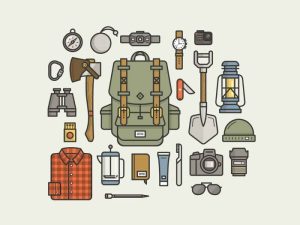
Camping
Camping offers a unique opportunity for children to learn and grow in an outdoor setting. It provides a hands-on learning experience that can help develop various skills and foster a deeper appreciation for nature.
Educational Aspects of Camping for Children
- Camping teaches children about survival skills, such as setting up a tent, starting a campfire, and cooking outdoors.
- Children can learn about different ecosystems, wildlife, and plant species while exploring the natural environment during camping trips.
- Camping helps children develop problem-solving skills and adaptability as they navigate challenges in the wilderness.
- Through camping, children can learn about teamwork, communication, and leadership by working together with others to set up camp and complete outdoor activities.
Skills Children Can Develop Through Camping Experiences
- Self-reliance and independence are fostered as children learn to take care of themselves and their belongings in a camping environment.
- Camping promotes physical activity and encourages children to stay active through hiking, swimming, and other outdoor activities.
- Children can enhance their creativity and imagination by engaging in outdoor play and exploring the natural world around them.
- Camping helps children disconnect from technology and appreciate the simple joys of nature, promoting mindfulness and mental well-being.
Tips on Planning Educational Camping Trips for Kids
- Choose a campground with educational programs or guided nature walks to enhance the learning experience for children.
- Involve children in the planning process by letting them help choose activities, meals, and camping gear for a sense of ownership and excitement.
- Pack educational materials such as field guides, star charts, or nature journals to encourage children to observe and learn about their surroundings.
- Plan a variety of outdoor activities that cater to different interests and skill levels to keep children engaged and excited throughout the camping trip.
Cycling and Mountain Biking
Cycling and mountain biking are not only fun recreational activities for kids, but they also offer numerous educational benefits.
Educational Benefits
Cycling and mountain biking can teach kids about various aspects of the environment, such as different terrains, flora, and fauna. It also helps improve their navigation skills, spatial awareness, and understanding of geography. Additionally, these activities can introduce children to the concepts of physics, such as balance, momentum, and friction, in a practical and engaging way.
Health and Environmental Awareness
Engaging in cycling and mountain biking promotes physical fitness and overall well-being in children. It helps improve cardiovascular health, muscle strength, and coordination. Furthermore, these activities instill a sense of environmental responsibility in kids by encouraging them to explore nature and appreciate the outdoors. By choosing eco-friendly modes of transportation, children can contribute to reducing carbon emissions and preserving the environment for future generations.
Safety Tips and Best Practices
- Ensure that children wear appropriate safety gear, including helmets, knee pads, and gloves.
- Teach kids about traffic rules and road safety guidelines to prevent accidents.
- Check the condition of the bikes regularly and ensure they are properly maintained.
- Start with easy trails and gradually increase the difficulty level as children gain confidence and skills.
- Supervise children closely, especially when riding in unfamiliar or challenging terrain.
Fishing and Angling
Fishing and angling can provide valuable educational opportunities for kids, teaching them about aquatic ecosystems, sustainability, and conservation. It allows children to connect with nature and learn about the importance of preserving marine life.
Educational Opportunities
- Learning about different fish species and their habitats
- Understanding the impact of human activities on aquatic ecosystems
- Developing patience, focus, and problem-solving skills while fishing
Aquatic Ecosystems Education
Fishing trips offer a hands-on experience for kids to observe and learn about the delicate balance of aquatic ecosystems. They can see firsthand how pollution, overfishing, and habitat destruction can harm marine life. It’s a great way to instill a sense of responsibility towards protecting our oceans and rivers.
Sustainability and Conservation
Teaching children about sustainable fishing practices, catch-and-release techniques, and the importance of respecting fishing regulations can help instill a conservation mindset. Kids can learn how their actions can impact the environment and the future of fishing for generations to come.
Kayaking and Canoeing
Kayaking and canoeing are excellent water-based activities that offer numerous educational benefits for children. These activities not only provide a fun and adventurous experience but also help kids develop a deeper understanding of nature and the environment around them.
Educational Benefits
- Encourages physical activity and promotes a healthy lifestyle.
- Teaches children about water safety and the importance of wearing life jackets.
- Enhances their coordination, balance, and motor skills.
- Introduces them to different ecosystems and wildlife habitats.
Safety Tips and Techniques
- Always wear a properly fitted life jacket when kayaking or canoeing.
- Ensure children are accompanied by an experienced adult or guide.
- Teach kids how to paddle correctly and steer the kayak or canoe.
- Stay close to the shore and avoid strong currents or rough waters.
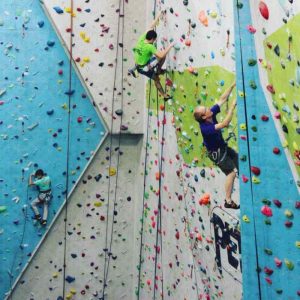
Rock Climbing and Bouldering
Rock climbing and bouldering are not only thrilling outdoor activities but also offer numerous educational benefits for kids. These activities teach problem-solving skills, enhance concentration, and improve physical strength and coordination.
Educational Aspects
Rock climbing and bouldering require strategic thinking and planning, as kids need to figure out the best route to reach the top. This helps improve their problem-solving skills and decision-making abilities. Additionally, learning about different types of rocks, holds, and climbing techniques can broaden their knowledge of geology and physics.
Physical and Mental Benefits
Engaging in rock climbing and bouldering activities can greatly benefit children’s physical health. Climbing helps build muscle strength, improve flexibility, and enhance overall fitness levels. Furthermore, overcoming challenges and reaching new heights can boost children’s self-confidence and self-esteem.
Tips for Introducing Kids to Rock Climbing
- Start with indoor climbing gyms that offer safe and supervised environments for beginners.
- Teach kids about proper climbing techniques, safety precautions, and the importance of using climbing gear correctly.
- Encourage kids to set achievable goals and celebrate their progress to keep them motivated.
- Consider enrolling kids in introductory rock climbing classes or camps led by experienced instructors.
- Always supervise children closely during climbing activities and ensure they are equipped with appropriate safety gear.
Wildlife Watching and Birding
Wildlife watching and birding are excellent educational activities for kids, offering unique opportunities to learn about different species and ecosystems in their natural habitats. Observing wildlife can spark curiosity and foster environmental awareness in children, helping them develop a deep appreciation for nature and the importance of conservation.
Educational Value
- Introduces kids to a variety of birds and animals, teaching them about different species, behaviors, and habitats.
- Encourages observation skills and patience as children learn to spot and identify wildlife in their surroundings.
- Promotes an understanding of ecosystems and the interdependence of living organisms within them.
- Provides hands-on learning experiences that enhance classroom knowledge of biology, ecology, and environmental science.
Responsible Wildlife Watching Practices
- Respect wildlife by observing from a safe distance and avoiding any actions that may disturb or harm animals.
- Stay on designated trails to minimize impact on habitats and prevent unintentional damage to plants and wildlife.
- Avoid feeding wildlife as it can disrupt natural behaviors and create dependency on human food sources.
- Leave no trace by carrying out all trash and litter, ensuring the environment remains clean and undisturbed.
Trail Running
Trail running can be a fantastic educational activity for kids, offering a unique blend of physical exercise, connection with nature, and opportunities for personal growth.
Educational Benefits of Trail Running
- Improves physical fitness by engaging different muscle groups and enhancing cardiovascular endurance.
- Develops mental resilience and focus as children navigate varying terrains and challenges.
- Teaches environmental awareness and appreciation for nature’s beauty and importance.
- Promotes problem-solving skills as kids learn to adapt to changing trail conditions.
Introducing Kids to Trail Running
- Start with short, easy trails to build confidence and prevent burnout.
- Focus on enjoyment and exploration rather than speed or distance covered.
- Encourage proper warm-up and stretching routines to prevent injuries.
- Teach kids about trail etiquette, including yielding to other trail users and respecting wildlife.
Importance of Safety Measures
- Ensure kids have appropriate footwear with good traction to prevent slips and falls.
- Carry plenty of water and snacks for energy during longer runs.
- Use sunscreen and bug repellent to protect against sunburn and insect bites.
- Bring a fully charged phone for emergencies and stay on marked trails to avoid getting lost.
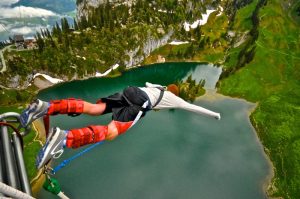
Adventure Sports
Adventure sports are thrilling physical activities that involve an element of risk and require courage, strength, and skill to participate. These activities provide a unique opportunity for children to challenge themselves, step out of their comfort zones, and develop important life skills.
Educational Aspects of Adventure Sports for Children
Adventure sports offer a hands-on learning experience for children, teaching them valuable skills such as teamwork, problem-solving, decision-making, and resilience. By facing and overcoming challenges in these activities, kids can build confidence, improve their physical fitness, and learn to appreciate nature and the environment.
- Rock Climbing: Children can learn problem-solving skills, perseverance, and trust in their abilities while climbing rocks and walls in a safe and controlled environment.
- Kayaking and Canoeing: Kids can develop balance, coordination, and water safety skills while exploring rivers, lakes, and oceans in a kayak or canoe.
- Trail Running: Running on trails through nature can help children improve their endurance, stamina, and appreciation for the outdoors.
Skills and Values Children Can Learn Through Adventure Sports
Participating in adventure sports can help children learn the value of determination, courage, and self-discipline. They can also develop a sense of responsibility, respect for rules and safety guidelines, and an appreciation for the natural world. These activities encourage kids to push their limits, conquer their fears, and embrace new challenges.
- Courage: Facing fears and taking risks in adventure sports can help children build courage and confidence in themselves.
- Resilience: Overcoming obstacles and setbacks in these activities can teach kids resilience and the importance of perseverance.
- Teamwork: Working together with peers in adventure sports promotes teamwork, communication, and cooperation.
Examples of Adventure Sports Suitable for Kids and Safety Considerations
When introducing children to adventure sports, it is important to choose activities that are age-appropriate, safe, and supervised by trained instructors. Safety considerations such as proper equipment, instruction, and supervision are essential to ensure a positive and secure experience for kids in adventure sports.
- Cycling and Mountain Biking: Children can enjoy the thrill of biking through various terrains while learning bike handling skills and safety precautions.
- Wildlife Watching and Birding: Kids can observe and learn about different wildlife species in their natural habitats while practicing patience and respect for nature.
- Zip Lining: A fun and exciting activity that allows children to experience the thrill of flying through the air while following strict safety protocols and guidelines.
Final Summary
Experience the magic of learning through travel with these top educational programs for kids. From cultural immersion to environmental awareness, these adventures promise to shape young minds and create lasting memories.
Q&A
What are the age requirements for these educational travel programs?
Age requirements vary by program, but most cater to children between 8-17 years old.
Are these programs safe for kids?
Safety is a top priority, with trained staff and measures in place to ensure a secure environment for children.
How can parents get involved in these educational trips?
Parents can participate as chaperones or volunteers, enhancing the educational experience for their children.
Do these programs offer scholarships or financial aid?
Some programs may offer scholarships or financial aid options for families in need. It’s best to inquire directly with the program organizers.
What sets these educational travel programs apart from traditional vacations?
These programs focus on immersive learning experiences, cultural exchanges, and environmental awareness, providing a holistic educational adventure for kids.