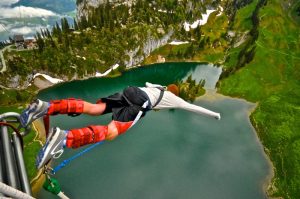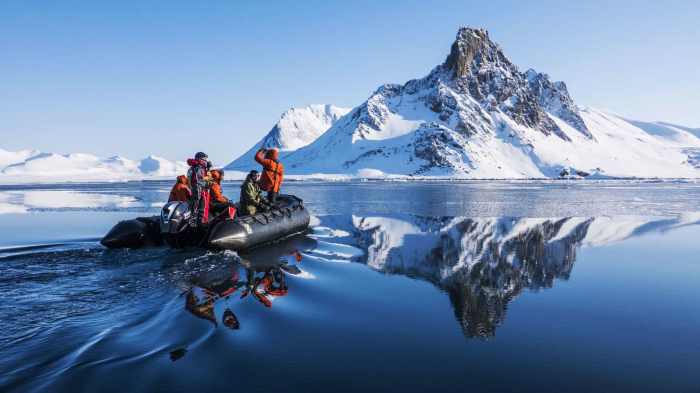
Embark on a journey through Sustainable Polar Travel, where eco-conscious adventures meet the icy landscapes of the North and South Poles. Discover the allure of responsible tourism and the importance of preserving these pristine environments for future generations.
Learn about the sustainable practices and ethical considerations that shape polar travel, making it a truly unique and impactful experience for travelers seeking more than just a typical vacation.
Sustainable Polar Travel
When it comes to sustainable polar travel, the focus is on minimizing negative impacts on the environment and local communities while maximizing the benefits of tourism in these delicate regions.
Factors Contributing to Sustainable Polar Travel
- Strict regulations and guidelines set by governing bodies to protect the fragile ecosystems of the polar regions.
- Efforts to reduce carbon footprint through the use of eco-friendly transportation options like hybrid-electric ships.
- Supporting local communities by engaging in responsible tourism practices and contributing to their economic development.
- Implementing waste management strategies to minimize pollution and ensure proper disposal of waste in remote areas.
Importance of Responsible Tourism in Polar Expeditions
Responsible tourism is crucial in polar expeditions as it ensures that travelers respect the environment, wildlife, and local cultures they encounter. By following ethical guidelines and sustainable practices, tourists can help preserve the pristine beauty of the polar regions for future generations.
Examples of Eco-Friendly Practices in Sustainable Polar Travel
- Using biodegradable toiletries to minimize water pollution in remote areas.
- Supporting research initiatives by participating in citizen science projects during expeditions.
- Opting for small-group tours to reduce the overall impact on the environment and wildlife.
- Choosing accommodations that prioritize sustainability and environmental conservation.
Shopping Vacation
When embarking on a polar expedition, shopping may not be the first thing that comes to mind. However, the Arctic and polar regions offer unique shopping experiences that are worth exploring.
Unique Shopping Experiences
Traditional shopping opportunities in these remote areas often involve purchasing handmade items crafted by local artisans. In contrast to urban shopping destinations, the products found in the Arctic and polar regions are often one-of-a-kind and have a story behind them.
Ethical Shopping
During polar expeditions, it is important to consider ethical shopping practices. This includes supporting local businesses and artisans who rely on tourism to sustain their livelihoods. By purchasing directly from these individuals, travelers can contribute to the local economy in a positive way.
Tips for Supporting Local Artisans
- Seek out local markets and shops to find authentic handmade goods.
- Ask about the origin and production process of the items you are interested in purchasing.
- Consider purchasing directly from artisans or small businesses to ensure your money goes directly to the creators.
- Avoid purchasing items made from endangered or protected species, and be mindful of cultural sensitivities.
Arctic and Polar Expeditions
Exploring the Arctic and polar regions is a thrilling adventure that offers unique experiences and challenges. From icy landscapes to diverse wildlife, these expeditions attract adventurers from around the world.
Types of Arctic and Polar Expeditions
- Arctic Cruises: Travel on a cruise ship through the Arctic Ocean, exploring remote islands and seeing polar bears, walruses, and other wildlife.
- Dog Sledding Expeditions: Experience the traditional mode of transportation used by the Inuit people and traverse the snowy terrain with a team of sled dogs.
- Iceberg Kayaking: Paddle through icy waters surrounded by towering icebergs, getting up close and personal with the pristine beauty of the Arctic.
Popular Destinations
- Arctic Expeditions: Svalbard, Greenland, and Iceland are popular destinations for Arctic expeditions, offering a chance to witness the Northern Lights and explore unique ecosystems.
- Polar Expeditions: Antarctica and the South Pole are top choices for polar expeditions, known for their vast ice shelves, penguin colonies, and stunning glaciers.
Challenges and Rewards
- Challenges: Harsh weather conditions, unpredictable sea ice, and remote locations pose challenges for travelers in the Arctic and polar regions.
- Rewards: The opportunity to witness breathtaking landscapes, encounter rare wildlife, and immerse oneself in the beauty of these pristine environments makes the challenges worth it.
Personal Experiences
During my Arctic expedition, I had the chance to witness a polar bear in its natural habitat, surrounded by vast expanses of ice. The experience was both humbling and awe-inspiring, reminding me of the importance of preserving these delicate ecosystems for future generations.
Music Festival Tour
Music festivals in remote Arctic or polar locations offer a unique and unforgettable experience for attendees. The combination of music, nature, and extreme environments creates a one-of-a-kind atmosphere that cannot be replicated elsewhere.
Unique Atmosphere of Music Festivals in Extreme Environments
Music festivals in the Arctic or polar regions are characterized by stunning natural backdrops of icy landscapes and snow-covered mountains. The contrast between the vibrant music and the serene surroundings adds to the surreal and magical atmosphere of these events.
- Attendees can witness the midnight sun or the Northern Lights while enjoying live performances, enhancing the overall experience.
- The sense of isolation and remoteness creates a feeling of connection to nature and a sense of adventure that is unparalleled in more traditional festival settings.
- The smaller and more intimate nature of these festivals fosters a strong sense of community among attendees and performers, creating a unique bonding experience.
Environmental Impact of Organizing Music Festivals in Polar Regions
Organizing music festivals in polar regions comes with significant environmental challenges that need to be addressed to ensure sustainability and minimal impact on the fragile ecosystems.
- Transporting equipment and attendees to remote locations can lead to increased carbon emissions and waste generation, contributing to environmental degradation.
- Proper waste management and recycling practices are essential to minimize the impact of large-scale events on the pristine polar environments.
- Collaborating with local communities and indigenous groups to ensure respect for the land and wildlife is crucial in organizing responsible and eco-friendly music festivals in these regions.
Recommendations for Attendees of Music Festivals in Arctic or Polar Areas
For those planning to attend music festivals in Arctic or polar areas, it is important to be mindful of the unique challenges and considerations that come with these extreme environments.
- Dress warmly and be prepared for unpredictable weather conditions, including cold temperatures and strong winds.
- Respect the natural surroundings and wildlife, following Leave No Trace principles and minimizing your ecological footprint during the event.
- Support local and sustainable initiatives at the festival, such as purchasing eco-friendly merchandise and food options, to contribute positively to the local community and environment.
Rainforest Exploration
Rainforest exploration offers a stark contrast to polar expeditions, providing a completely different ecosystem and set of challenges for adventurers.
Biodiversity and Ecosystem
Rainforests are known for their incredible biodiversity, with a wide variety of plant and animal species coexisting in complex ecosystems. In contrast, polar regions have a more limited range of species adapted to the extreme cold conditions.
Conservation Efforts
- Conservation efforts in rainforests focus on protecting valuable habitats from deforestation and promoting sustainable practices to preserve biodiversity.
- In polar environments, conservation efforts are aimed at mitigating the impact of climate change, reducing pollution, and protecting the fragile Arctic and Antarctic ecosystems.
Unique Flora and Fauna
| Rainforests | Polar Regions |
|---|---|
| Rainforests are home to exotic species like the jaguar, sloth, and toucan, as well as a wide array of unique plants like orchids and bromeliads. | Polar regions are inhabited by iconic species such as polar bears, penguins, and Arctic foxes, along with hardy plants like mosses and lichens. |
Spiritual Pilgrimage
Embarking on a spiritual pilgrimage to the Arctic or polar regions can be a transformative experience, connecting individuals with the raw power and beauty of nature in extreme environments.
Connection between Spirituality and Nature
Many people believe that extreme environments like the Arctic offer a unique opportunity to connect with a higher power or a deeper sense of self. The vast icy landscapes, the silence, and the solitude can create a sense of awe and wonder that transcends the physical realm.
Stories of Spiritual Pilgrimages
One such story is that of a traveler who ventured to the Arctic, seeking solace and spiritual guidance. Amidst the icy wilderness, they found a sense of peace and clarity that had eluded them in their everyday life. The experience of being surrounded by untouched nature helped them reconnect with their innermost thoughts and beliefs.
Tips for Spiritual Pilgrimages
- Prepare for the extreme conditions: The Arctic can be harsh and unforgiving, so it’s essential to pack appropriate gear and clothing.
- Embrace solitude: Use the silence and solitude of the polar regions to reflect on your beliefs and spiritual journey.
- Respect the environment: Leave no trace and show reverence for the pristine landscapes you encounter.
- Seek guidance: Consider joining a guided spiritual pilgrimage led by experienced individuals who can help facilitate your journey.
Geotourism Adventure
Geotourism involves exploring the geological features of a region while promoting conservation and sustainability. In the context of Arctic or polar exploration, geotourism plays a crucial role in educating travelers about the unique geological aspects of these remote areas and fostering a deeper appreciation for their preservation.
Geological Features of Arctic or Polar Regions
The Arctic and polar regions are characterized by a vast array of geological features that set them apart from other parts of the world. These include:
- The presence of glaciers and ice caps that shape the landscape and contribute to the region’s distinct beauty.
- Unique rock formations that provide valuable insight into the Earth’s history and evolution.
- Volcanic activity in some polar areas, showcasing the dynamic nature of the planet’s geology.
- The impact of climate change on the polar ice sheets and permafrost, highlighting the fragility of these environments.
Role of Geotourism in Sustainable Travel
Geotourism plays a crucial role in promoting sustainable travel practices in Arctic and polar regions by raising awareness about the importance of preserving these geological wonders. By encouraging responsible tourism and minimizing the impact of human activities on the environment, geotourism helps to ensure that future generations can continue to enjoy and learn from these unique landscapes.
Examples of Geotourism Adventures in Polar Areas
Several geotourism adventures are available in Arctic and polar regions, allowing travelers to explore the geological wonders of these remote areas. Some examples include:
- Guided tours to witness the Northern Lights, showcasing the geological processes behind this natural phenomenon.
- Hiking expeditions to study glacial formations and learn about their significance in shaping the polar landscape.
- Boat trips to observe marine geology and the impact of changing sea levels on coastal regions.
- Visits to volcanic sites in polar areas to understand the geological forces at work beneath the surface.
Birdwatching Vacation
Are you an avid birdwatcher looking for a unique and exciting vacation experience? Consider exploring the birdwatching opportunities in the Arctic or polar regions, where you can encounter a variety of fascinating bird species in their natural habitats.
When comparing bird species found in polar environments with those in other regions, you’ll notice a distinct difference in the adaptations these birds have developed to survive in extreme cold climates. From the majestic snowy owl to the resilient Arctic tern, each species has its own unique characteristics that make them perfectly suited to their harsh surroundings.
Challenges of Birdwatching in Extreme Cold Climates
- Extreme weather conditions: Sub-zero temperatures, strong winds, and unpredictable weather patterns can make birdwatching a challenging endeavor in polar regions.
- Limited daylight: During certain times of the year, the Arctic experiences continuous daylight or darkness, affecting bird behavior and visibility for birdwatchers.
- Inaccessibility: Some birdwatching sites in the Arctic may be remote and difficult to reach, requiring specialized transportation and equipment.
Tips for Birdwatching Enthusiasts Planning a Vacation to the Arctic
- Dress in layers: Be prepared for fluctuating temperatures by wearing thermal clothing that can be easily added or removed.
- Use binoculars and a spotting scope: Essential tools for observing birds from a distance, especially in vast Arctic landscapes.
- Research bird species: Familiarize yourself with the bird species you are likely to encounter to enhance your birdwatching experience.
- Join guided tours: Consider joining a birdwatching tour led by experienced guides who can help you navigate the challenges of birdwatching in extreme cold climates.
Remote Island Retreat
Remote island retreats in the Arctic or polar regions offer a unique appeal for travelers seeking solitude and a connection with nature in untouched landscapes.
Comparing Polar Island Retreats
- Remote island retreats in polar areas provide a sense of isolation and tranquility that is unmatched by tropical islands crowded with tourists.
- The harsh, rugged beauty of the Arctic landscape offers a stark contrast to the lush, tropical surroundings of popular island destinations.
- Exploring remote Arctic islands allows for rare wildlife encounters and breathtaking views of glaciers and icebergs.
Challenges and Benefits
- Accessing remote island retreats in extreme environments can be challenging due to unpredictable weather conditions and limited transportation options.
- However, the reward of experiencing untouched nature and pristine wilderness far outweighs the obstacles faced during the journey.
- Staying in a remote island retreat in the Arctic provides a sense of adventure and a chance to disconnect from the modern world.
Recommendations for Arctic Island Getaways
- Consider booking a tour with a reputable expedition company that specializes in Arctic travel to ensure a safe and memorable experience.
- Choose a remote island retreat that offers eco-friendly accommodations and supports local conservation efforts to minimize your impact on the fragile Arctic ecosystem.
- Pack appropriate cold-weather gear and be prepared for unpredictable weather conditions to fully enjoy your secluded island getaway in the Arctic.
Volunteer Vacation
Volunteer vacations in Arctic or polar regions offer a unique opportunity to make a positive impact while exploring remote and stunning landscapes. By participating in conservation or community projects, volunteers can contribute to the protection of these fragile ecosystems and support local initiatives.
Types of Volunteer Opportunities
- Assisting with research projects on Arctic wildlife and climate change
- Participating in beach clean-ups to protect marine life in polar regions
- Helping with sustainable tourism initiatives in remote communities
- Supporting educational programs on environmental conservation for local residents
Impact of Volunteering
- Contribution to vital conservation efforts in preserving polar ecosystems
- Empowerment of local communities through education and sustainable practices
- Promotion of responsible tourism and ethical travel practices in the Arctic
- Fostering a deeper connection to nature and understanding of environmental issues
Resources for Volunteer Vacations
- Organizations such as WWF, Earthwatch, and Polar Bears International offer volunteer programs
- Websites like Volunteer World and Go Overseas provide a database of volunteer opportunities in polar regions
- Local conservation groups and research stations in the Arctic may also welcome volunteers for specific projects
- Consult with travel agencies specializing in sustainable travel for volunteer vacation options
Farm Stay Vacation
Embarking on a farm stay vacation in the Arctic or polar regions offers a unique opportunity to immerse oneself in the local culture and lifestyle, while also supporting sustainable agriculture practices in these extreme environments.
Experience of Farm Stay in Extreme Cold Climates
Unlike traditional farm stays in temperate regions, farm stays in extreme cold climates present a different set of challenges and experiences. Guests may have the chance to participate in activities such as feeding animals, learning about cold weather crops, and experiencing traditional Arctic farming methods.
Importance of Supporting Local Agriculture in Polar Communities
- By choosing a farm stay vacation in the Arctic, travelers can directly contribute to the local economy and help sustain traditional farming practices.
- Supporting local agriculture in polar communities helps preserve cultural heritage and promotes environmental sustainability by reducing the carbon footprint associated with food transportation.
- Engaging with local farmers and producers fosters a deeper connection to the land and its people, creating meaningful experiences for visitors.
Tips for Planning a Farm Stay Vacation in the Arctic
- Research and choose a farm stay that aligns with your interests and values, whether it be organic farming, animal husbandry, or indigenous agricultural practices.
- Be prepared for the cold weather and pack appropriate clothing and gear to ensure a comfortable stay on the farm.
- Respect the local customs and traditions of the community, and be open to learning from the farmers and residents during your visit.
- Participate in farm activities and workshops to gain a hands-on experience and appreciation for the hard work that goes into Arctic farming.
- Savor the locally grown produce and products, and consider purchasing goods directly from the farm to support the livelihood of the farmers.
Educational Vacation
Embarking on an educational vacation to the Arctic or polar regions can offer a unique and enriching experience for travelers. Not only do these extreme environments provide a stunning backdrop for learning, but they also present opportunities for hands-on experiential education that can deepen one’s understanding of the world.
Importance of Experiential Learning in Extreme Environments
Experiential learning in extreme environments like the Arctic or polar regions allows participants to engage with the environment in a meaningful way, fostering a deeper connection to the natural world. By immersing oneself in these unique settings, travelers can gain a firsthand appreciation of the challenges and wonders of these regions.
Educational Programs and Workshops in Polar Areas
- Scientific Research Expeditions: Joining a research expedition in the Arctic can provide insight into ongoing scientific studies related to climate change, wildlife conservation, and more.
- Cultural Immersion Experiences: Learning about the indigenous cultures of the Arctic through workshops, storytelling sessions, and interactions with local communities can offer a rich educational experience.
- Wildlife Conservation Programs: Participating in programs focused on the conservation of Arctic wildlife species can help travelers understand the importance of preserving these fragile ecosystems.
Recommendations for Unique Educational Vacation Experiences
- Choose a program that aligns with your interests: Whether you’re passionate about wildlife conservation, cultural exchange, or scientific research, selecting a program that resonates with your interests can enhance your educational journey.
- Seek out opportunities for hands-on learning: Look for programs that offer hands-on experiences, such as fieldwork, workshops, or interactive demonstrations, to maximize your educational experience.
- Embrace the challenges: Educational vacations in extreme environments may present physical and mental challenges, but overcoming these obstacles can lead to personal growth and a deeper appreciation for the environment.
Hiking and Trekking
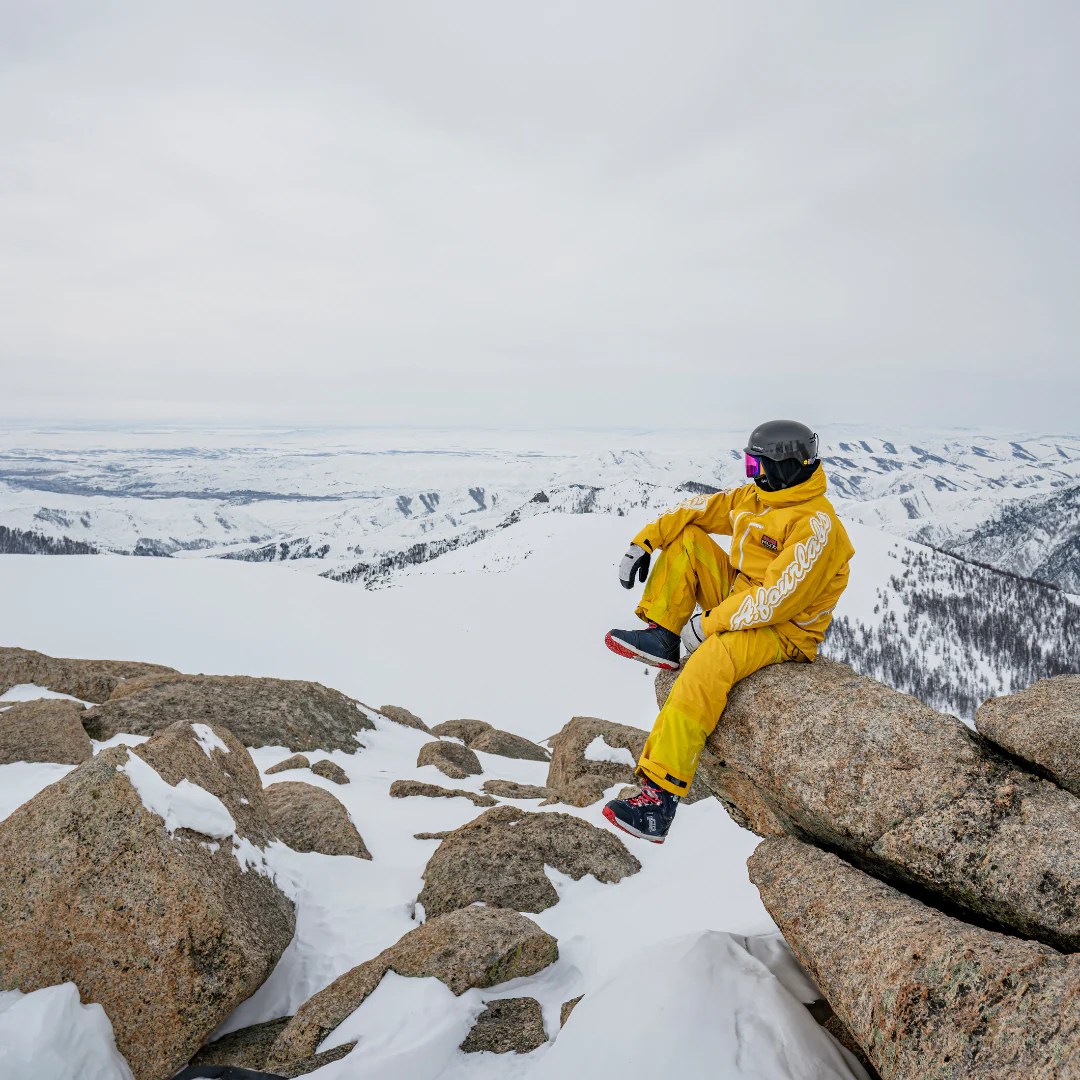
Exploring the Arctic or polar landscapes through hiking and trekking offers a unique and unforgettable experience for adventurers seeking to immerse themselves in the stunning beauty of these remote regions.
Hiking and Trekking Opportunities
When it comes to hiking and trekking in the Arctic or polar landscapes, travelers have the chance to traverse icy tundras, rugged mountains, and vast glaciers while encountering incredible wildlife such as polar bears, seals, and arctic foxes.
Challenges and Rewards
- Hiking in extreme cold climates presents challenges such as harsh weather conditions, unpredictable terrain, and limited daylight hours.
- However, the rewards of hiking in these regions include witnessing breathtaking icy landscapes, experiencing the tranquility of pristine wilderness, and the sense of accomplishment from conquering challenging trails.
Safety Precautions
- Before embarking on a hiking or trekking expedition in polar regions, it is crucial to be well-prepared with appropriate gear, clothing, and supplies to withstand the cold temperatures.
- Travelers should also be aware of the potential risks of encountering wildlife, icy surfaces, and isolation in remote areas, necessitating the need for proper navigation tools and emergency communication devices.
Personal Stories
Many adventurers have shared memorable experiences from hiking or trekking expeditions in the Arctic, recounting encounters with majestic glaciers, sparkling icebergs, and the sheer beauty of untouched wilderness that leaves a lasting impression on their hearts.
Camping
Camping in Arctic or polar regions offers a unique and adventurous experience for nature enthusiasts. The extreme cold climates present challenges and opportunities for those seeking to immerse themselves in the stunning landscapes of these remote areas.
Equipment and Gear for Arctic Camping
- Insulated tent: A high-quality, four-season tent designed to withstand harsh weather conditions is essential for camping in the Arctic.
- Sleeping bag: Invest in a cold-weather sleeping bag rated for sub-zero temperatures to ensure a comfortable night’s sleep.
- Layered clothing: Dressing in layers with moisture-wicking materials and thermal insulation is crucial to staying warm in freezing temperatures.
- Cooking equipment: Portable stoves and fuel suitable for cold weather cooking are necessary for preparing meals in the Arctic.
Tips for Safe and Comfortable Arctic Camping
- Stay dry: Moisture is your enemy in cold climates, so ensure your clothing and gear stay dry to prevent hypothermia.
- Stay hydrated and well-fed: Proper nutrition and hydration are key to maintaining energy and body heat in extreme cold.
- Be prepared for wildlife encounters: Polar bears and other Arctic animals may pose a threat, so research and follow safety guidelines to avoid dangerous encounters.
- Know how to use your gear: Practice setting up your tent, using your stove, and other equipment before embarking on your Arctic camping trip.
Unique Camping Spots in Polar Environments
- Greenland Ice Sheet: Camp on the vast ice sheet for a truly immersive Arctic experience surrounded by stunning icy landscapes.
- Svalbard, Norway: Set up camp in the remote wilderness of Svalbard and witness the beauty of the Arctic wildlife, including polar bears and reindeer.
- Antarctica Peninsula: Experience camping on the pristine shores of the Antarctic Peninsula, where you can observe penguins and seals in their natural habitat.
Cycling and Mountain Biking
Cycling and mountain biking in the Arctic or polar regions offer unique and thrilling experiences for adventure enthusiasts looking to explore these remote areas in a sustainable way.
Terrain and Challenges
When it comes to cycling in extreme cold climates, riders face a different set of challenges compared to more temperate regions. The terrain in the Arctic can vary from icy roads to rocky paths, with unpredictable weather conditions adding an extra layer of difficulty. Cyclists must be prepared for rapidly changing temperatures, strong winds, and potentially hazardous road conditions. Navigating through snow and ice requires special equipment and skills, making it essential for riders to be well-equipped and experienced in handling such conditions.
Benefits of Eco-friendly Transportation
Choosing cycling or mountain biking as a mode of transportation in polar environments brings numerous benefits for both the environment and the traveler. By opting for pedal power instead of motorized vehicles, cyclists reduce their carbon footprint and minimize their impact on fragile ecosystems. Cycling allows for a more intimate and immersive experience, enabling riders to connect with nature on a deeper level while promoting eco-friendly practices in remote locations.
Additionally, cycling promotes physical health and well-being, making it a sustainable and rewarding way to explore the Arctic.
Tips for Cyclists and Mountain Bikers
- Dress in layers to stay warm and dry, and use moisture-wicking fabrics to regulate body temperature.
- Equip your bike with studded tires for better traction on icy surfaces.
- Carry essential gear such as a repair kit, first aid supplies, and extra food and water.
- Plan your route carefully, considering weather conditions, daylight hours, and available accommodations.
- Respect wildlife and adhere to Leave No Trace principles to preserve the pristine Arctic environment.
Fishing and Angling
Fishing and angling in Arctic or polar waters offer unique experiences for enthusiasts looking to reel in some extraordinary catches in extreme cold climates. Not only can anglers enjoy the thrill of the catch, but they can also appreciate the pristine beauty of these remote regions.
Unique Fish Species in Polar Regions
- Arctic Char: Known for its pink flesh and delicate flavor, Arctic Char is a popular catch in polar waters.
- Saibling: A close relative of the Arctic Char, Saibling is another prized fish species found in these cold climates.
- Cod: Cod fishing is also prevalent in Arctic waters, offering anglers the chance to reel in this versatile and tasty fish.
Sustainable Fishing Practices
- Practice Catch and Release: Consider releasing fish back into the water to preserve the delicate ecosystem of polar regions.
- Use Barbless Hooks: Barbless hooks can help reduce injury to fish and make catch-and-release more effective.
- Respect Catch Limits: Adhere to fishing regulations and limits to ensure sustainable fishing practices in the Arctic.
Recommendations for Anglers in the Arctic
- Seek Local Guidance: Opt for guided fishing tours with knowledgeable locals who can lead you to the best fishing spots.
- Dress Warmly: Be prepared for the harsh cold weather conditions in the Arctic while enjoying your fishing expedition.
- Respect Nature: Leave no trace behind and respect the environment while fishing in these pristine polar waters.
Kayaking and Canoeing
Kayaking and canoeing in Arctic or polar waters offer unique and thrilling experiences for adventure enthusiasts. The pristine beauty of icy landscapes, towering icebergs, and abundant wildlife make paddling in these regions truly unforgettable.
Kayaking and Canoeing Opportunities in Arctic or Polar Waters
In the Arctic, kayaking and canoeing opportunities abound, allowing visitors to navigate through icy waters surrounded by stunning glaciers and snow-capped mountains. The serene atmosphere and the chance to observe wildlife such as seals, whales, and seabirds up close make this experience both peaceful and exhilarating.
Challenges of Paddling in Icy Waters
Paddling in icy waters in the Arctic presents unique challenges compared to other kayaking destinations. The cold temperatures and presence of icebergs require paddlers to be well-prepared and equipped with specialized gear such as dry suits and safety equipment. Navigating through icy waters also requires a higher level of skill and experience to ensure a safe and enjoyable journey.
Safety Tips and Precautions for Kayakers and Canoeists in Polar Regions
- Always wear a dry suit to protect against the cold water and hypothermia.
- Carry essential safety equipment such as a marine radio, flares, and a first aid kit.
- Avoid paddling alone and stay close to your group or guide.
- Be aware of changing weather conditions and ice formations that may affect your route.
- Follow local regulations and guidelines for kayaking in polar regions.
Recommendations for Scenic Kayaking Routes in the Arctic
- Kayak through the majestic fjords of Greenland, surrounded by towering ice cliffs and cascading waterfalls.
- Explore the icy waters of Svalbard, Norway, and encounter polar bears, walruses, and other Arctic wildlife.
- Paddle along the coast of Canada’s Baffin Island, known for its rugged beauty and abundant marine life.
- Venture to Antarctica for a truly remote kayaking experience amidst pristine icebergs and stunning landscapes.
Rock Climbing and Bouldering
Rock climbing and bouldering in Arctic or polar landscapes offer unique challenges and breathtaking experiences for enthusiasts. The extreme cold climates present a different set of obstacles and opportunities for climbers looking to push their limits in these remote and stunning locations.
Unique Rock Formations and Challenges
- Rock formations in polar regions can vary from granite to limestone, offering diverse climbing experiences.
- Climbers must contend with icy conditions, unpredictable weather, and limited daylight hours during certain times of the year.
- Bouldering enthusiasts will find plenty of challenges with frozen rocks and unique ice formations to navigate.
Safety Guidelines for Climbers
- Always check weather conditions and be prepared for sudden changes in temperature or visibility.
- Wear appropriate gear for cold weather, including insulated clothing, gloves, and sturdy footwear with good grip.
- Carry emergency supplies, such as a first aid kit, navigation tools, and communication devices, in case of unforeseen circumstances.
- Ensure proper training and experience before attempting challenging climbs in polar regions.
Recommendations for Climbing Enthusiasts
- Consider joining guided expeditions led by experienced climbers familiar with the terrain and conditions in the Arctic.
- Research and plan your climbing routes in advance, taking into account the unique challenges of the polar environment.
- Respect local regulations and guidelines to minimize your impact on the fragile ecosystem of the Arctic.
Wildlife Watching and Birding
When visiting the Arctic or polar regions, wildlife watching and birding opportunities are truly exceptional. The extreme cold climates may seem desolate at first glance, but they are home to a diverse array of animal species waiting to be observed.
Wildlife Watching Opportunities
Wildlife enthusiasts in the Arctic have the chance to witness iconic animals such as polar bears, Arctic foxes, reindeer, seals, and various whale species. These majestic creatures thrive in the harsh environment and offer a unique wildlife watching experience.
Diverse Animal Species
- Polar Bears: The Arctic is one of the few places where you can spot polar bears in their natural habitat, especially along the coastlines and sea ice.
- Arctic Foxes: These resilient creatures change their fur color with the seasons, making them a fascinating sight against the snow-covered landscapes.
- Seals: Various seal species can be found basking on ice floes or swimming in the frigid waters, providing a glimpse into their marine lifestyle.
- Whales: From majestic belugas to massive bowhead whales, the Arctic waters host a diverse range of whale species that can be observed during certain seasons.
Ethical Wildlife Watching Practices
When engaging in wildlife watching in polar environments, it is crucial to prioritize ethical practices to ensure the well-being of the animals and their habitats. Some tips include:
- Respect wildlife from a distance and avoid disturbing their natural behavior.
- Follow designated viewing guidelines to minimize impact on the environment.
- Do not feed or approach wild animals, as this can disrupt their natural instincts and routines.
- Support local conservation efforts and initiatives that aim to protect wildlife and their habitats.
Recommendations for Wildlife Enthusiasts
For wildlife enthusiasts planning a trip to the Arctic, it is advisable to choose experienced tour operators or guides who prioritize sustainable and responsible wildlife watching practices. Opt for tours that focus on education and conservation, providing a meaningful wildlife experience while preserving the delicate Arctic ecosystem.
Trail Running
Trail running in Arctic or polar landscapes offers a unique and adventurous experience for outdoor enthusiasts looking to push their limits in extreme conditions. Running on rugged terrains surrounded by stunning icy landscapes can be both challenging and rewarding.
Terrain and Challenges
- Arctic trail running often involves navigating through snow-covered paths, glaciers, and icy terrain.
- Extreme cold temperatures can pose a challenge for runners, requiring proper gear and preparation to stay warm and safe.
- Variable weather conditions, including high winds and snowstorms, can add an element of unpredictability to the trail running experience.
Benefits of Outdoor Running
- Trail running in remote polar environments allows runners to connect with nature and experience the raw beauty of untouched landscapes.
- Running in extreme conditions can test physical and mental endurance, providing a sense of accomplishment and personal growth.
- Exploring Arctic trails on foot allows for a deeper appreciation of the environment and wildlife that inhabit these regions.
Tips for Trail Runners
- Invest in high-quality cold weather running gear, including insulated shoes, thermal layers, and windproof outerwear.
- Stay hydrated and carry emergency supplies, such as a GPS device, extra food, and a first aid kit, in case of unexpected challenges.
- Start with shorter runs to acclimate to the cold and gradually increase distance and intensity as your body adjusts to the conditions.
Adventure Sports
Arctic and polar regions offer a unique playground for adventure sports enthusiasts, with a variety of thrilling activities to choose from. Whether it’s exploring icy landscapes or challenging yourself with extreme sports, the polar regions have something for everyone seeking an adrenaline rush.
Popular Adventure Sports in Arctic Regions
- Ice Climbing: Scaling frozen waterfalls and glaciers is a popular activity in the Arctic, offering a unique and challenging experience for climbers.
- Dog Sledding: Racing through snow-covered terrain with a team of huskies is a classic Arctic adventure sport that allows you to experience the traditional mode of transportation in polar regions.
- Snowmobiling: Exploring vast icy landscapes on a snowmobile provides an exhilarating way to traverse the Arctic wilderness and witness stunning natural scenery.
Comparison with Other Destinations
- While adventure sports in extreme cold climates like the Arctic offer a unique and unparalleled experience, they require specialized gear and training due to the harsh environment.
- Compared to adventure sports in warmer destinations, polar sports provide a different level of challenge and excitement, with the added element of navigating icy terrain and extreme cold.
Safety Considerations in Polar Adventure Sports
- Before engaging in any adventure sport in polar environments, ensure you have the necessary gear, clothing, and training to handle the extreme conditions.
- Always follow the guidance of experienced guides and instructors who are familiar with the region and know how to navigate the challenges of the Arctic landscape.
- Be aware of potential risks such as frostbite, hypothermia, and unpredictable weather conditions, and take necessary precautions to stay safe during your adventure.
Recommendations for Adrenaline Junkies
- If you’re seeking unique experiences in the Arctic, consider trying activities like ice diving, snowkiting, or polar bear watching for an unforgettable adventure.
- Explore the untouched wilderness of the polar regions through activities like glacier hiking, ice fishing, or even winter camping to test your limits and immerse yourself in the stunning Arctic environment.
Final Thoughts
In conclusion, Sustainable Polar Travel offers a glimpse into a world where exploration and conservation go hand in hand. By choosing eco-friendly options and supporting local communities, travelers can make a positive impact on these fragile ecosystems while creating unforgettable memories.
FAQ Overview
How can I contribute to sustainability during a polar expedition?
By choosing eco-friendly tour operators, reducing waste, and respecting wildlife and natural habitats, you can make a positive impact on the environment during your journey.
What are some examples of eco-friendly practices in sustainable polar travel?
Examples include using electric vehicles for transportation, supporting local conservation initiatives, and following Leave No Trace principles to minimize your ecological footprint.
Why is responsible tourism important in polar expeditions?
Responsible tourism ensures that the delicate polar ecosystems are preserved for future generations, minimizes negative impacts on wildlife, and supports local communities in these remote regions.