Kayaking vs. Canoeing: Differences Explained sets the stage for this enthralling narrative, offering readers a glimpse into a story that is rich in detail and brimming with originality from the outset.
This comparison dives deep into the distinct features of kayaking and canoeing, shedding light on the contrasting aspects that make each water activity unique and thrilling.
Kayaking vs. Canoeing
Kayaking and canoeing are both popular water sports that offer unique experiences on the water. While they may seem similar, there are key differences in equipment, paddling techniques, stability, maneuverability, and primary purposes.
Equipment
When it comes to equipment, kayaks are typically smaller and more streamlined than canoes. Kayaks are enclosed boats where the paddler sits with their legs stretched out in front and uses a double-bladed paddle. Canoes, on the other hand, are open boats where the paddler kneels or sits on a raised seat and uses a single-bladed paddle. The design of kayaks and canoes affects their speed, agility, and overall performance on the water.
Paddling Techniques
Paddling techniques also differ between kayaking and canoeing. In kayaking, paddlers use a double-bladed paddle to propel themselves forward with alternating strokes on each side of the boat. Canoeists, on the other hand, use a single-bladed paddle and a J-stroke technique to steer and maintain a straight course. The paddling styles in kayaking and canoeing require different skills and coordination.
Stability and Maneuverability
Kayaks are known for their stability in rough waters and their ability to perform quick maneuvers. The enclosed design of kayaks provides a lower center of gravity, making them less likely to tip over. Canoes, on the other hand, offer more initial stability due to their wider hull but require skill and balance to maneuver effectively, especially in challenging conditions.
The maneuverability of kayaks and canoes varies based on their design and intended use.
Purposes and Activities
The primary purposes or activities suited for kayaking versus canoeing also differ. Kayaks are often preferred for whitewater rafting, sea kayaking, and fishing due to their speed, agility, and ease of maneuvering through narrow waterways. Canoes, on the other hand, are popular choices for recreational paddling, camping trips, and leisurely exploration of calm lakes and rivers. Each watercraft is designed to excel in specific activities based on their unique features and capabilities.
Shopping Vacation
Taking a shopping vacation involves traveling to destinations specifically for the purpose of indulging in unique shopping experiences. It combines leisure with retail therapy, allowing travelers to explore different cultures through the items they purchase.
Popular Shopping Destinations
- Paris, France: Known for high-end fashion boutiques and iconic department stores like Galeries Lafayette.
- Tokyo, Japan: Offers a mix of traditional markets in Asakusa and trendy shopping districts like Harajuku.
- Istanbul, Turkey: Famous for its vibrant bazaars such as the Grand Bazaar, offering a wide range of goods.
- Dubai, UAE: Features luxurious shopping malls like the Dubai Mall and traditional souks for unique finds.
Tips for Planning a Successful Shopping Vacation
- Research the shopping scene of your destination in advance to make a list of must-visit stores and markets.
- Set a budget for shopping to avoid overspending and prioritize the items you want to purchase.
- Consider the local currency and exchange rates to ensure you have enough cash or payment options during your trip.
- Plan your itinerary to balance shopping time with other sightseeing or relaxing activities to make the most of your vacation.
Balance Leisure and Shopping Activities
Finding the right balance between leisure and shopping activities is essential for a fulfilling shopping vacation. Allocate specific days or time slots for shopping while leaving room for exploring the destination’s attractions, trying local cuisine, and relaxing. This way, you can enjoy the entire experience without feeling overwhelmed by endless shopping trips.
Arctic and Polar Expeditions
Exploring the Arctic and Polar regions through kayaking or canoeing offers a truly unique and unforgettable experience. The pristine beauty of these remote areas, along with the abundant wildlife and stunning landscapes, make it a once-in-a-lifetime adventure for outdoor enthusiasts.
Unique Experiences
- Witnessing the mesmerizing Northern Lights dancing across the sky, a natural light show unlike any other.
- Paddling amidst towering icebergs and glaciers, immersing yourself in the icy wilderness.
- Encountering a diverse range of wildlife, from polar bears and seals to whales and seabirds, in their natural habitat.
Challenges and Rewards
- Challenges: Harsh weather conditions, extreme cold, and unpredictable sea ice make Arctic expeditions physically demanding and require careful planning.
- Rewards: The sense of accomplishment from navigating through the icy waters, the peaceful solitude of the remote surroundings, and the opportunity to connect with nature on a profound level.
Safety Precautions and Essential Gear
- Always wear appropriate cold-weather gear, including drysuits, thermal layers, and insulated gloves to stay warm in the frigid temperatures.
- Carry essential safety equipment such as a VHF radio, signaling devices, and a GPS for navigation in case of emergencies.
- Receive proper training in cold-water paddling techniques and wilderness first aid to handle any unforeseen situations effectively.
Remarkable Destinations
- Svalbard, Norway: Explore the rugged Arctic wilderness, home to polar bears and stunning fjords, in one of the northernmost inhabited areas on Earth.
- Greenland: Paddle along the dramatic coastline, witness massive icebergs calving from glaciers, and experience the unique Inuit culture in this vast Arctic territory.
- Antarctica: While technically not the Arctic, the remote and icy landscapes of Antarctica offer a once-in-a-lifetime kayaking experience among penguins, seals, and whales.
Music Festival Tour
Music festival tours offer a unique and immersive experience for music enthusiasts to enjoy live performances, discover new artists, and immerse themselves in vibrant cultural atmospheres. Whether you’re into rock, pop, electronic, or folk music, there are diverse festivals held around the world that cater to different tastes and preferences.
Types of Music Festivals
- Rock Festivals: Events like Glastonbury in the UK, Coachella in the US, and Rock in Rio in Brazil are known for featuring top rock bands and artists.
- Electronic Dance Music (EDM) Festivals: Popular festivals like Tomorrowland in Belgium, Ultra Music Festival in Miami, and Electric Daisy Carnival (EDC) in Las Vegas showcase the best in electronic dance music.
- Folk Music Festivals: Events such as Newport Folk Festival in the US, WOMAD in the UK, and Woodford Folk Festival in Australia celebrate traditional and contemporary folk music from around the world.
- Cultural Music Festivals: Festivals like the Rainforest World Music Festival in Malaysia, Fes Festival of World Sacred Music in Morocco, and WOMADelaide in Australia highlight diverse cultural music traditions.
Planning Your Music Festival Tour
- Research: Explore different festivals based on your music preferences and desired travel destinations.
- Timing: Check festival dates and plan your itinerary accordingly to attend multiple festivals if possible.
- Accommodation: Book accommodations in advance, considering proximity to festival venues and transportation options.
- Pack Essentials: Be prepared with comfortable clothing, sunscreen, portable phone chargers, and ear protection for loud music.
Cultural Impact of Music Festivals
Music festivals play a significant role in promoting local culture, boosting tourism, and supporting the music industry. They provide opportunities for artists to showcase their talents, generate economic benefits for host communities, and create memorable experiences for attendees. Additionally, music festivals contribute to the preservation and appreciation of diverse musical traditions, fostering cultural exchange and mutual understanding among participants.
Rainforest Exploration
Rainforests are incredibly diverse ecosystems that are home to a wide variety of plant and animal species. They are characterized by high levels of rainfall and humidity, creating a lush environment where life thrives.
Biodiversity and Ecosystems
Rainforests are known for their incredible biodiversity, with countless species of plants, animals, and insects coexisting in a delicate balance. The canopy layer, understory, and forest floor all support different forms of life, creating a complex web of interactions.
Sustainable Practices
When exploring rainforests, it is important to follow sustainable practices to minimize our impact on the environment. This includes staying on designated trails, avoiding littering, and respecting wildlife by observing from a distance. Responsible ecotourism can help support conservation efforts and protect these valuable ecosystems.
Benefits of Exploration
Exploring rainforests can be a transformative experience, connecting us with nature and increasing our environmental awareness. Being surrounded by the sights and sounds of the rainforest can have a calming effect on our well-being, reducing stress and promoting a sense of peace.
Iconic Destinations
Some of the most iconic rainforest destinations globally include the Amazon Rainforest in South America, the Congo Rainforest in Africa, and the Daintree Rainforest in Australia. These locations offer unique opportunities to witness the beauty and diversity of rainforest ecosystems firsthand.
Spiritual Pilgrimage
A spiritual pilgrimage is a journey undertaken for religious or spiritual reasons, often to a sacred or significant site. It is a way for individuals to deepen their faith, seek spiritual growth, or connect with a higher power.
Significance of Spiritual Pilgrimage
- In various cultures, spiritual pilgrimage is seen as a way to purify the soul, seek forgiveness, or fulfill a vow made to the divine.
- It can also be a form of self-discovery, reflection, and contemplation away from the distractions of everyday life.
- For many, a pilgrimage is a transformative experience that fosters spiritual renewal and a deeper connection to their beliefs.
Pilgrimage Sites Around the World
- Mecca, Saudi Arabia: The holiest city in Islam, where Muslims are required to make a pilgrimage (Hajj) at least once in their lifetime.
- Varanasi, India: A sacred city for Hindus, believed to be the abode of Lord Shiva and a place of spiritual cleansing in the Ganges River.
- Jerusalem, Israel: A significant site for Christians, Jews, and Muslims, with holy sites like the Western Wall, Church of the Holy Sepulchre, and Dome of the Rock.
Personal Experiences
“My spiritual pilgrimage to Lourdes in France was a deeply moving experience, where I felt a sense of peace and healing unlike anywhere else.”
“Visiting the Golden Temple in Amritsar, India, allowed me to connect with my Sikh faith in a profound way, surrounded by the devotion of others.”
Preparing for a Spiritual Pilgrimage
- Research the history and significance of the pilgrimage site to better understand its importance.
- Prepare mentally and emotionally for the journey, setting intentions for what you hope to gain from the experience.
- Pack essentials like comfortable clothing, sturdy shoes, a journal for reflection, and any religious items you may need.
- Be open to new experiences, interactions with other pilgrims, and moments of spiritual revelation along the way.
Geotourism Adventure
Geotourism is a form of sustainable tourism that focuses on preserving and celebrating the Earth’s geological features. It emphasizes the importance of protecting natural landscapes, promoting conservation efforts, and educating visitors about the significance of these geological wonders.
Popular Geotourism Destinations
- Grand Canyon National Park, USA: Known for its breathtaking landscapes and unique rock formations, the Grand Canyon attracts millions of visitors each year. Geotourists can explore the various rock layers that tell a story of the Earth’s history.
- Geopark de Hondsrug, Netherlands: This UNESCO Global Geopark showcases the geological history of the region through interactive exhibits and guided tours. Visitors can learn about the formation of the landscape and the impact of glaciers.
- Victoria Falls, Zambia/Zimbabwe: One of the largest waterfalls in the world, Victoria Falls offers a unique geotourism experience. Visitors can witness the power of the Zambezi River and learn about the geological processes that created this natural wonder.
Educational and Conservation Aspects
- Geotourism adventures provide a platform for visitors to learn about the Earth’s geological history, including how natural features were formed and the significance of preserving these landscapes for future generations.
- Through guided tours, interactive exhibits, and educational programs, geotourism destinations offer visitors the opportunity to gain a deeper understanding of the planet’s geological processes and how they contribute to the overall ecosystem.
Responsible Travel Practices in Geotourism
- Responsible travel practices in geotourism involve respecting the natural environment, following designated trails, and minimizing the impact on fragile ecosystems.
- Visitors are encouraged to support local conservation efforts, engage with local communities, and contribute to the preservation of geological sites through sustainable practices.
Birdwatching Vacation

Birdwatching is a popular and rewarding activity for nature enthusiasts looking to immerse themselves in the beauty of avian species. The excitement of spotting rare birds in their natural habitats and observing their behaviors makes birdwatching a unique and enriching vacation experience.
Best Birdwatching Destinations Worldwide
- Costa Rica: Known for its rich biodiversity, Costa Rica offers birdwatchers the chance to spot colorful toucans, macaws, and hummingbirds in lush rainforests.
- Galapagos Islands: Home to unique and endemic bird species like the blue-footed booby and the Galapagos penguin, the Galapagos Islands provide a once-in-a-lifetime birdwatching experience.
- Kenya: With diverse habitats ranging from savannas to forests, Kenya is a paradise for birdwatchers seeking to see African species such as ostriches, flamingos, and eagles.
Species You Can Observe
- Scarlet Macaw: Found in Central and South America, the scarlet macaw is known for its vibrant plumage and loud calls.
- Puffin: These colorful seabirds can be spotted in coastal regions of the Northern Hemisphere, such as Iceland and the United Kingdom.
- Bald Eagle: A symbol of strength and freedom, the bald eagle is a majestic bird of prey found in North America.
Tips for Beginner Birdwatchers
- Invest in a good pair of binoculars to enhance your birdwatching experience and spot birds from a distance.
- Join a local birdwatching group or guided tour to learn from experienced birders and discover the best birdwatching spots.
- Practice patience and keen observation skills to identify birds based on their colors, sizes, and behaviors.
Environmental Benefits and Conservation Efforts
- Birdwatching promotes environmental awareness and appreciation for wildlife, encouraging conservation efforts to protect bird habitats and populations.
- Conservation organizations work to preserve endangered bird species and their ecosystems through research, education, and habitat restoration projects.
- By supporting ecotourism initiatives focused on birdwatching, travelers contribute to sustainable development and the protection of avian biodiversity.
Remote Island Retreat
When it comes to seeking ultimate relaxation and rejuvenation, a remote island retreat offers a perfect escape from the hustle and bustle of everyday life. The serene surroundings, untouched nature, and peaceful atmosphere of a remote island create an ideal setting for unwinding and reconnecting with oneself.
Secluded and Pristine Islands
Some of the most secluded and pristine remote islands around the world that are perfect for a retreat include:
- The Maldives: Known for its crystal-clear waters and luxurious overwater bungalows, the Maldives offer a secluded paradise for relaxation.
- Fernando de Noronha, Brazil: This remote archipelago boasts stunning beaches, vibrant marine life, and limited tourism, making it an exclusive retreat destination.
- Socotra, Yemen: With its unique flora and fauna, Socotra Island provides a truly off-the-grid experience for those seeking solitude.
Disconnecting from Technology
To fully embrace the solitude of a remote island retreat, it’s essential to disconnect from technology and immerse yourself in the natural surroundings. This can be achieved by turning off digital devices, limiting screen time, and focusing on mindfulness and being present in the moment.
Activities and Experiences
During a remote island retreat, there are various activities and experiences one can enjoy, such as:
- Snorkeling or diving in pristine waters to explore underwater life.
- Relaxing on secluded beaches and soaking in the sun’s warmth.
- Trekking through lush forests or along scenic trails to connect with nature.
- Participating in yoga or meditation sessions to promote inner peace and relaxation.
Volunteer Vacation
Volunteer vacations offer a unique opportunity for travelers to contribute to meaningful causes while exploring new destinations. These trips allow participants to immerse themselves in local communities, make a positive impact, and create lasting memories.
Types of Volunteer Vacation Opportunities
- Conservation Projects: Participants can assist with wildlife conservation, environmental protection, and sustainable practices.
- Community Development: Volunteers can get involved in building schools, homes, and infrastructure to support local communities.
- Education Programs: Opportunities to teach English, provide tutoring, or organize educational workshops for children and adults.
- Healthcare Initiatives: Assist in medical clinics, health education programs, or public health campaigns in underserved areas.
- Animal Welfare: Help care for endangered species, rescue animals, or support animal sanctuaries and rehabilitation centers.
Choosing a Reputable Organization
- Research: Look for organizations with a proven track record, positive reviews, and transparent information about their projects.
- Accreditations: Check if the organization is affiliated with reputable associations or certifications in the volunteer travel industry.
- Communication: Ensure clear communication about project details, expectations, costs, and support provided during the trip.
- Impact Assessment: Inquire about the organization’s impact assessment methods and how they measure the effectiveness of their projects.
- Participant Feedback: Read testimonials and reviews from past volunteers to get insights into their experiences and the organization’s credibility.
Farm Stay Vacation
Staying on a farm as part of a vacation offers a unique opportunity to escape the hustle and bustle of city life and immerse oneself in nature. It allows visitors to experience sustainable living firsthand and connect with the environment in a meaningful way.
Benefits of Farm Stay Vacations
- Opportunity to learn about organic farming practices and sustainable living
- Chance to disconnect from technology and enjoy the peaceful surroundings of the countryside
- Fresh, locally sourced food straight from the farm to your table
- Engagement in hands-on activities such as gardening, animal care, and milking cows
- Supporting local farmers and communities
Examples of Farm Stay Accommodations
- Green Acres Farm in California, USA – Offers guided farm tours, cooking classes, and yoga retreats
- Tuscany Agriturismo in Italy – Provides vineyard tours, olive oil tasting, and pasta-making workshops
- Rancho Margot in Costa Rica – Focuses on sustainable practices with activities like horseback riding and hiking
Tips for First-Time Farm Stay Vacationers
- Research the farm’s practices and amenities before booking to ensure it aligns with your interests
- Pack appropriate clothing and footwear for outdoor activities and farm work
- Be prepared to embrace a simpler way of life and appreciate the beauty of the natural surroundings
- Engage with the farmers and ask questions to learn more about their daily routines and challenges
- Take time to relax and enjoy the peace and tranquility of farm life away from the noise of the city
Educational Vacation
Taking an educational vacation can be a transformative experience that combines travel with learning and personal growth. Whether it’s language immersion, cultural workshops, or historical tours, educational vacations offer a unique opportunity to expand your knowledge while exploring new destinations.
Language Immersion Programs
Language immersion programs are a popular choice for those looking to enhance their language skills while experiencing a new culture. These programs often involve intensive language classes, cultural activities, and opportunities to practice speaking with native speakers. Destinations like Spain, France, and Japan are known for their immersive language programs that offer a deep dive into the local language and customs.
Cultural Workshops
Cultural workshops provide hands-on experiences that allow travelers to learn traditional crafts, cooking techniques, and artistic practices from local experts. Whether it’s pottery-making in Mexico, sushi-rolling in Japan, or flamenco dancing in Spain, cultural workshops offer a unique way to connect with a destination’s heritage and traditions.
Historical Tours
Historical tours take travelers on a journey through the past, exploring ancient ruins, historic sites, and museums that bring history to life. Destinations like Egypt, Italy, and Greece are renowned for their historical tours that offer insights into ancient civilizations and historical events.
Benefits of Educational Vacations
- Expand your knowledge and skills in a hands-on environment.
- Immerse yourself in a new culture and gain a deeper understanding of the local customs.
- Meet like-minded travelers and experts in the field.
- Develop cross-cultural communication skills and global awareness.
Hiking and Trekking
Hiking and trekking are both popular outdoor activities that involve walking in natural environments, but there are some key differences between the two.
Compare and Contrast Hiking and Trekking
- Hiking is typically done on well-marked trails and is more leisurely, focusing on enjoying the scenery and nature.
- Trekking, on the other hand, is more intense and challenging, often involving multiple days of walking through remote and rugged terrain.
- While hiking can be a day activity, trekking usually requires more preparation and endurance due to the longer distances and rougher conditions.
Physical and Mental Benefits
- Engaging in hiking and trekking adventures can improve cardiovascular fitness, muscle strength, and overall endurance.
- Being in nature and away from the hustle and bustle of daily life can also reduce stress and improve mental well-being.
- Both activities provide an opportunity to disconnect from technology and reconnect with the natural world, promoting mindfulness and relaxation.
Essential Gear and Safety Tips
- Proper footwear, clothing, and hydration are essential for both hiking and trekking to ensure comfort and safety.
- Carrying a map, compass, and first aid kit is crucial for navigation and emergencies in remote areas.
- Checking the weather forecast and informing others about your planned route are important safety measures to consider before embarking on a hike or trek.
Scenic and Challenging Trails Worldwide
- The Inca Trail in Peru offers stunning views of ancient ruins and mountain landscapes, making it a bucket-list trekking destination.
- The Pacific Crest Trail in the United States spans over 2,600 miles from Mexico to Canada, providing hikers with diverse ecosystems and breathtaking scenery.
- The Tour du Mont Blanc in Europe is a popular hiking route that circles the Mont Blanc massif, offering panoramic views of the Alps.
Camping

Camping is a popular recreational activity that allows individuals and families to connect with nature, unwind from the hustle and bustle of daily life, and create lasting memories. Whether you prefer roughing it in the wilderness or enjoying luxurious amenities while camping, there is something for everyone to enjoy in the great outdoors.
Planning a Successful Camping Trip
- Choose the right campsite based on your preferences and needs, whether you prefer a remote location or a campground with facilities.
- Make a checklist of essential items such as a tent, sleeping bags, cooking supplies, and first aid kit.
- Plan your meals ahead of time and consider easy-to-prepare camping recipes that require minimal ingredients and equipment.
- Pack layers of clothing to stay comfortable in changing weather conditions and don’t forget essentials like insect repellent and sunscreen.
Types of Camping Experiences
- Wilderness Camping: Embrace the rugged beauty of nature by camping in remote areas away from civilization.
- Glamping: Enjoy a more luxurious camping experience with amenities such as comfortable beds, gourmet meals, and stylish accommodations.
Eco-Friendly Camping Practices
- Follow Leave No Trace principles to minimize your impact on the environment and leave the campsite as you found it.
- Avoid using disposable items and opt for reusable camping gear to reduce waste.
- Respect wildlife and natural habitats by observing from a safe distance and not feeding wild animals.
Cycling and Mountain Biking
Cycling and mountain biking are both popular outdoor activities that offer great opportunities for physical exercise and exploration of nature. While both involve riding a bike, there are key differences between the two in terms of terrain, equipment, and benefits.
Terrain and Equipment
- Cycling typically takes place on paved roads or designated bike paths, offering a smooth and predictable surface for riding. Road bikes, with their lightweight frames and narrow tires, are commonly used for cycling.
- Mountain biking, on the other hand, involves riding off-road on rugged trails with varying terrain such as dirt, rocks, roots, and steep inclines. Mountain bikes are specially designed with sturdy frames, wide tires, and suspension systems to handle the challenges of rough terrain.
Health Benefits
- Both cycling and mountain biking provide excellent cardiovascular exercise, helping to improve heart health and stamina.
- Riding a bike also strengthens muscles, particularly in the legs, core, and back, promoting overall strength and endurance.
- Regular cycling can help reduce stress levels, improve mental well-being, and boost mood through the release of endorphins.
Tips for Beginners
- Start with a basic bike that fits you well and is comfortable to ride. Consider renting or borrowing a bike before making a purchase.
- Invest in essential safety gear such as a helmet, gloves, and padded shorts to protect yourself while riding.
- Practice riding in a safe and controlled environment to build confidence and improve your skills before tackling more challenging terrain.
Scenic Routes and Trails
- The Pacific Coast Highway in California offers stunning ocean views and coastal landscapes for cyclists looking for a scenic road trip.
- Moab in Utah is a popular destination for mountain bikers, with challenging trails set against the backdrop of red rock formations and desert scenery.
Fishing and Angling
Fishing and angling have been popular recreational activities for many years, allowing enthusiasts to connect with nature and enjoy the thrill of catching fish. Whether you prefer the tranquility of a quiet lake or the excitement of deep-sea fishing, there are endless opportunities to explore this art form.
Types of Fishing Techniques and Equipment
- Fly Fishing: Involves using a fly rod, reel, and artificial flies to lure fish.
- Baitcasting: Uses a baitcasting reel and bait to attract fish.
- Spin Casting: Ideal for beginners, using a closed-face reel and easy casting techniques.
- Trolling: Involves trailing baited lines behind a moving boat to catch fish.
Choosing the Right Fishing Spot and Understanding Local Regulations
- Research the type of fish you want to catch and the best season for it.
- Consider factors like water temperature, depth, and vegetation when selecting a fishing spot.
- Always check local fishing regulations and obtain the necessary permits before heading out.
- Respect catch limits and practice catch-and-release to preserve fish populations.
Best Fishing Destinations
- Alaska: Known for its abundant salmon, halibut, and trout populations.
- Florida Keys: Offers excellent opportunities for deep-sea fishing and bonefishing.
- Baja California, Mexico: Famous for its marlin, tuna, and dorado fishing.
- Great Barrier Reef, Australia: Home to a diverse range of fish species and pristine waters.
Rock Climbing and Bouldering
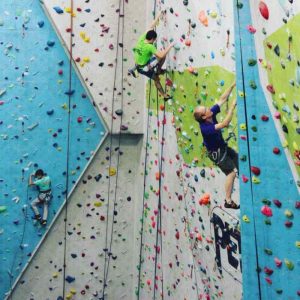
Rock climbing and bouldering are both adventurous sports that involve scaling rocks or boulders using physical strength and mental acuity. While they share similarities, there are key differences between the two activities.Rock climbing typically involves climbing routes on tall rock faces using ropes, harnesses, and other safety equipment. It requires technique, strength, and endurance to navigate challenging routes and reach the summit.
Bouldering, on the other hand, is a form of rock climbing that focuses on shorter, more powerful moves without the use of ropes. Climbers typically rely on crash pads to protect against falls.
Comparing Rock Climbing and Bouldering
- Rock climbing involves climbing taller routes with ropes, while bouldering focuses on shorter, more powerful moves without ropes.
- Rock climbing requires more endurance and technique, while bouldering emphasizes strength and problem-solving skills.
- Both activities offer physical and mental challenges, but bouldering is generally considered more accessible for beginners.
Physical and Mental Challenges
- Rock climbing and bouldering require upper body strength, core stability, and endurance.
- Climbers must also possess mental resilience, problem-solving skills, and the ability to overcome fear and doubt.
- Both activities push participants out of their comfort zones and require focus, determination, and adaptability.
Safety Precautions and Training Tips
- Always climb with a partner and use proper safety equipment, including helmets, harnesses, and ropes.
- Receive proper training from certified instructors to learn essential techniques and safety protocols.
- Start with easier routes or problems to build strength and confidence before attempting more challenging climbs.
Famous Destinations for Rock Climbing and Bouldering
- Yosemite National Park in California, USA, offers world-class rock climbing on iconic granite cliffs like El Capitan.
- Fontainebleau in France is renowned for its sandstone bouldering circuits and diverse climbing areas.
- Joshua Tree National Park in California features unique rock formations and challenging climbing routes for enthusiasts.
Wildlife Watching and Birding
The thrill of wildlife watching and birding activities lies in the opportunity to observe fascinating creatures in their natural habitats. It offers a chance to connect with nature, witness unique behaviors, and appreciate the beauty of the animal kingdom.
Tips for Responsible Wildlife Observation
- Avoid getting too close to wildlife to prevent disturbance or stress to the animals.
- Respect their space and habitat by observing from a safe distance.
- Do not feed wild animals as it can alter their natural behaviors and create dependency.
- Observe quietly and avoid sudden movements or loud noises that could scare the animals away.
- Follow designated trails and guidelines set by park authorities to minimize impact on the environment.
Best Wildlife Watching Destinations
- Maasai Mara National Reserve, Kenya: Known for the annual wildebeest migration and diverse wildlife.
- Galapagos Islands, Ecuador: Home to unique species like the Galapagos penguin and marine iguana.
- Yellowstone National Park, USA: Offers a chance to spot wolves, bears, and iconic American wildlife.
- Kruger National Park, South Africa: Famous for its Big Five sightings and bird diversity.
Conservation Efforts in Wildlife Protection
- Conservation programs aim to protect endangered species and their habitats from threats like poaching and deforestation.
- Efforts include establishing protected areas, implementing anti-poaching measures, and raising awareness about wildlife conservation.
- Community involvement and sustainable tourism practices play a crucial role in preserving wildlife for future generations.
- Education and research help in understanding animal behavior and ecosystem dynamics for effective conservation strategies.
Trail Running
Trail running has become increasingly popular in recent years, offering a unique blend of physical challenge and connection with nature. Unlike road running, trail running takes place on unpaved paths, offering varying terrain and elevation changes that can provide a more dynamic workout experience.
Physical and Mental Benefits
- Improved balance and coordination due to the uneven terrain
- Enhanced strength in stabilizing muscles, as they are constantly adjusting to the trail
- Increased mental focus and mindfulness as runners navigate obstacles and enjoy the natural surroundings
- Reduced impact on joints compared to road running, as the softer surface of trails can be gentler on the body
Training, Gear Selection, and Injury Prevention
- Gradually increase mileage and elevation to build strength and endurance
- Choose trail running shoes with aggressive tread for traction on varied terrain
- Utilize proper hydration packs and nutrition strategies for longer trail runs
- Strengthen stabilizing muscles with cross-training exercises to prevent common trail running injuries
Challenging and Scenic Routes
- The Ultra-Trail du Mont-Blanc in the Alps offers stunning views and challenging elevation changes
- The Western States 100-Mile Endurance Run in California tests runners with extreme heat and rugged terrain
- The Inca Trail Marathon to Machu Picchu combines ancient history with high-altitude running challenges
Adventure Sports
Adventure sports encompass a wide range of thrilling activities that push participants out of their comfort zones and test their physical and mental limits. These activities often involve an element of risk, which adds to the adrenaline rush and excitement experienced by those who engage in them.
Skydiving
Skydiving is a popular adventure sport that involves jumping out of an aircraft at high altitudes and free-falling before deploying a parachute to land safely on the ground. It offers an unparalleled sense of freedom and exhilaration as participants experience the thrill of soaring through the sky.
Whitewater Rafting
Whitewater rafting is another exciting adventure sport that involves navigating turbulent river rapids on an inflatable raft. Participants work together as a team to conquer challenging water currents, making it a thrilling and adrenaline-pumping experience for those seeking an outdoor adventure.
Safety Considerations and Training
It is essential for participants in adventure sports to prioritize safety by following guidelines, wearing appropriate gear, and undergoing proper training. Many adventure sports require specific skills and knowledge to ensure a safe and enjoyable experience, so it is crucial to be well-prepared before embarking on these activities.
Lesser-Known Adventure Sports
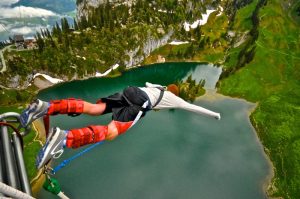
While skydiving and whitewater rafting are well-known adventure sports, there are many lesser-known activities that offer unique thrills and excitement. From canyoning and paragliding to ice climbing and bungee jumping, enthusiasts can explore a variety of adventurous pursuits that cater to different interests and skill levels.
Closure
In conclusion, the exploration of Kayaking vs. Canoeing: Differences Explained unveils a world of aquatic adventures waiting to be discovered. Whether you prefer the agility of a kayak or the classic charm of a canoe, both offer an exhilarating experience on the water.
FAQ
What are the main differences in equipment between kayaking and canoeing?
Kayaks are typically narrower and closed-decked, while canoes are broader and open-topped.
How do paddling techniques vary between kayaking and canoeing?
Kayakers use a double-bladed paddle for maneuvering, while canoeists use a single-bladed paddle for propulsion.
Which is more stable, a kayak or a canoe?
Kayaks offer better stability due to their design, while canoes can be more prone to tipping.