Embark on a journey to discover the allure of Eco-Friendly Island Retreats, where sustainability meets serenity, creating an unforgettable experience for travelers seeking a harmonious retreat in nature.
Explore the essence of eco-friendly accommodations on picturesque islands, uncover popular retreats worldwide, and learn why choosing these eco-conscious havens benefits both travelers and the environment.
Eco-Friendly Island Retreats
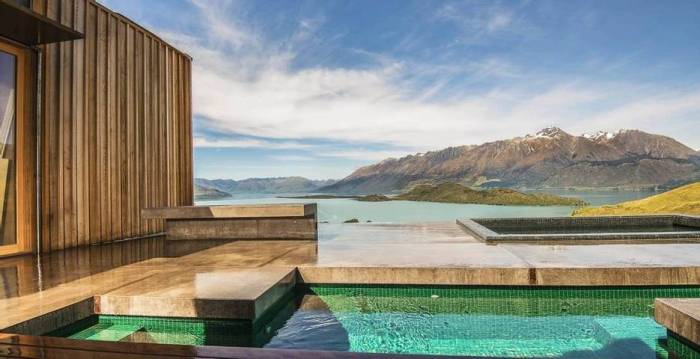
When it comes to eco-friendly accommodations on islands, the focus is on minimizing the environmental impact while providing a sustainable and harmonious retreat experience. These retreats often incorporate renewable energy sources, water conservation practices, waste reduction strategies, and a commitment to preserving the natural beauty of the island.
Popular Eco-Friendly Island Retreats
- Song Saa Private Island, Cambodia: This luxurious eco-friendly resort is set on two private islands in the Gulf of Thailand. It is known for its conservation efforts, including marine protection programs and sustainable practices.
- Six Senses Yao Noi, Thailand: Located in the Phang Nga Bay, this resort offers stunning views and a commitment to sustainability. It features eco-friendly villas, organic gardens, and initiatives to support the local community.
- Fregate Island Private, Seychelles: This private island retreat is dedicated to conservation and sustainability. Guests can enjoy pristine beaches, lush forests, and efforts to protect endangered species like the Seychelles Magpie Robin.
Benefits of Choosing Eco-Friendly Island Retreats
Opting for eco-friendly island retreats not only allows travelers to enjoy a unique and immersive experience in nature but also contributes to the preservation of fragile ecosystems and supports local communities. By staying at these retreats, guests can actively participate in sustainable practices and learn about environmental conservation while enjoying a rejuvenating getaway.
Shopping Vacation
When it comes to vacationing, shopping can be a fantastic way to immerse yourself in the local culture, find unique souvenirs, and support local businesses. Many travelers enjoy the thrill of discovering one-of-a-kind items, whether it’s handmade crafts, traditional clothing, or local delicacies. Planning a shopping vacation can add an exciting element to your trip and create lasting memories.
Destinations Offering Unique Shopping Experiences
- Istanbul, Turkey: Known for its bustling bazaars and vibrant markets, Istanbul offers a wide range of traditional Turkish goods such as carpets, ceramics, spices, and textiles.
- Tokyo, Japan: With its eclectic mix of department stores, trendy boutiques, and quirky street markets, Tokyo is a shopper’s paradise for electronics, fashion, and traditional Japanese crafts.
- Marrakech, Morocco: The souks of Marrakech are famous for their colorful displays of pottery, leather goods, spices, and textiles, providing a sensory overload for visitors.
- Buenos Aires, Argentina: From stylish designer boutiques to local artisan markets, Buenos Aires offers a diverse shopping scene that reflects the city’s cultural diversity.
- Dubai, UAE: Home to luxurious shopping malls, traditional souks, and modern boutiques, Dubai is a paradise for shoppers looking for everything from high-end fashion to gold jewelry.
Tips for Planning a Sustainable Shopping Vacation
- Support Local Artisans: Seek out local artisans and craftsmen to purchase handmade goods that support the local economy and preserve traditional craftsmanship.
- Choose Eco-Friendly Products: Look for products made from sustainable materials, such as organic cotton, recycled materials, or natural dyes, to reduce your environmental impact.
- Bring Reusable Bags: Reduce plastic waste by bringing your own reusable bags for shopping and saying no to single-use plastic bags offered by retailers.
- Explore Second-Hand Markets: Visit flea markets, thrift stores, and vintage shops to find unique pre-loved items and give them a new home, contributing to a circular economy.
- Offset Your Carbon Footprint: Consider offsetting the carbon emissions from your travel by supporting carbon offset projects that help reduce greenhouse gas emissions.
Arctic and Polar Expeditions
Embarking on Arctic and Polar expeditions presents a unique set of challenges and rewards for travelers seeking adventure in some of the most remote and pristine environments on Earth. These regions are known for their extreme weather conditions, icy landscapes, and incredible wildlife, making them a dream destination for many explorers.
Challenges of Arctic and Polar Expeditions
- Harsh weather conditions, including freezing temperatures and strong winds, can pose a risk to travelers.
- Navigating through icy waters and rugged terrain requires specialized equipment and experienced guides.
- Isolation and limited access to resources make emergency situations more challenging to manage.
Rewards of Arctic and Polar Expeditions
- Unique opportunities to witness breathtaking natural phenomena such as the Northern Lights and midnight sun.
- Encounters with iconic Arctic wildlife like polar bears, seals, and whales in their natural habitats.
- A sense of accomplishment and connection to the Earth’s most remote and untouched landscapes.
Responsible Tourism in Arctic and Polar Regions
- Minimize your environmental impact by following Leave No Trace principles and respecting wildlife habitats.
- Support local communities and businesses by choosing eco-friendly accommodations and tour operators.
- Be mindful of your carbon footprint when traveling to and within these fragile ecosystems.
Recommendations for Arctic and Polar Expeditions
- Book your expedition with reputable tour operators that prioritize sustainability and ethical practices.
- Pack appropriate gear for cold weather conditions and follow safety guidelines provided by your guides.
- Stay informed about the local wildlife and regulations to ensure a safe and respectful experience.
Music Festival Tour
Music festivals have become a popular travel destination for music lovers around the world. These events combine the thrill of live music performances with the opportunity to explore new cities and cultures. Music festival tours offer a unique way to experience different genres of music while immersing oneself in the local atmosphere.
Famous Music Festivals
- Coachella – Indio, California, USA
- Glastonbury Festival – Somerset, England
- Tomorrowland – Boom, Belgium
- Rock in Rio – Rio de Janeiro, Brazil
Economic and Cultural Impact
Music festival tours play a significant role in boosting local economies and promoting cultural exchange. These events attract a large number of tourists who contribute to the revenue of the host city through accommodation, dining, transportation, and merchandise purchases. Additionally, music festivals often showcase local artists, musicians, and traditions, giving visitors a glimpse into the cultural heritage of the region.
Rainforest Exploration
Rainforest exploration is a crucial aspect of eco-tourism as it allows travelers to immerse themselves in the natural beauty of these biodiverse ecosystems. It offers a unique opportunity to witness exotic flora and fauna, learn about indigenous cultures, and understand the importance of conservation efforts.
Key Rainforest Destinations
- The Amazon Rainforest in South America: Known for its unparalleled biodiversity and unique wildlife, the Amazon offers a once-in-a-lifetime experience for nature enthusiasts.
- Borneo Rainforest in Southeast Asia: Home to endangered species like orangutans and pygmy elephants, Borneo’s rainforest is a hotspot for ecotourism activities.
- The Congo Basin in Africa: One of the world’s largest tropical rainforests, the Congo Basin is a haven for gorillas, chimpanzees, and other rare species.
Impact of Sustainable Practices
Sustainable practices play a vital role in preserving rainforest ecosystems for future generations. By promoting responsible tourism, supporting local communities, and implementing conservation initiatives, we can protect these invaluable habitats from deforestation, poaching, and other threats.
Spiritual Pilgrimage
Spiritual pilgrimages are journeys undertaken by individuals seeking a deeper connection with their faith, spirituality, or inner self. These journeys often involve visiting sacred sites, engaging in rituals, and reflecting on personal beliefs and values.
Motivations Behind Spiritual Pilgrimages
- Seeking spiritual growth and enlightenment
- Connecting with a higher power or divine presence
- Seeking healing or guidance
- Renewing faith and commitment
Sacred Sites for Spiritual Travelers
- Mecca in Saudi Arabia for Muslims
- Varanasi in India for Hindus
- Jerusalem in Israel for Christians, Jews, and Muslims
- Lourdes in France for Catholics
Cultural and Personal Significance
Spiritual pilgrimages hold great cultural and personal significance for individuals and communities around the world. They provide a unique opportunity for introspection, reflection, and connection with something greater than oneself. These journeys often result in a profound sense of peace, fulfillment, and spiritual growth.
Geotourism Adventure
Geotourism involves exploring and appreciating the natural and cultural heritage of a destination while promoting conservation and sustainability. It focuses on engaging with local communities, supporting their livelihoods, and protecting the environment.
Geological Wonders as Attractions
Geological wonders such as the Grand Canyon in the United States, the Giant’s Causeway in Northern Ireland, and the Great Barrier Reef in Australia are popular attractions for geotourism adventures. These sites showcase the Earth’s natural beauty and unique geological formations, attracting visitors from around the world.
- Visitors can explore the Grand Canyon’s vast expanse and diverse rock layers, learning about the region’s geology and history.
- The Giant’s Causeway features hexagonal basalt columns formed by volcanic activity, offering a glimpse into the Earth’s geological processes.
- The Great Barrier Reef is a marine wonderland teeming with biodiversity, providing opportunities for snorkeling, diving, and learning about coral reef ecosystems.
Engaging with Local Communities
Geotourism encourages travelers to interact with local communities, supporting small businesses, artisans, and cultural initiatives. By engaging with residents, visitors can gain a deeper appreciation for the destination’s heritage and traditions.
Supporting local communities through geotourism helps preserve cultural identities, promote sustainable development, and create meaningful connections between visitors and residents.
Birdwatching Vacation
Birdwatching vacations are a dream come true for nature enthusiasts who find joy in observing and learning about different bird species in their natural habitats. It offers a unique opportunity to connect with nature, unwind, and appreciate the beauty of these winged creatures.
Birdwatching Hotspots Around the World
- Africa: Countries like Kenya, South Africa, and Botswana are known for their diverse bird populations, including the vibrant colored Lilac-breasted Roller and the majestic African Fish Eagle.
- South America: The Amazon Rainforest in Brazil and the Galapagos Islands in Ecuador are popular destinations for birdwatching, with iconic species like the Scarlet Macaw and the Blue-footed Booby.
- Asia: Japan, India, and Thailand offer birdwatching opportunities with unique species such as the Japanese Crane, Indian Peafowl, and Oriental Pied Hornbill.
- Europe: Countries like Spain, Iceland, and the UK provide birdwatching hotspots for species like the European Bee-eater, Puffins, and the Eurasian Jay.
- Oceania: Australia and New Zealand are home to diverse bird species, including the colorful Rainbow Lorikeet and the iconic Kiwi bird.
Tips for Responsible Birdwatching Practices During Vacations
- Respect the birds’ natural habitat by keeping a safe distance and avoiding disturbing them.
- Use binoculars or a camera with a zoom lens to observe birds without getting too close.
- Stay on designated trails and follow park regulations to minimize impact on the environment.
- Avoid feeding wild birds as it can disrupt their natural diet and behavior.
- Learn about the local bird species and their behaviors to enhance your birdwatching experience.
Remote Island Retreat
Remote island retreats offer a unique and tranquil escape for travelers seeking solitude and a connection to nature. These secluded destinations provide the perfect opportunity to unwind, recharge, and immerse oneself in stunning natural surroundings.
Examples of Remote Islands for Retreat Experiences
- Fernando de Noronha, Brazil: Known for its pristine beaches and rich marine life, this volcanic archipelago offers a serene setting for a remote island retreat.
- Faroe Islands, Denmark: With dramatic landscapes, rugged cliffs, and a peaceful atmosphere, the Faroe Islands provide a secluded retreat for nature enthusiasts.
- Svalbard, Norway: Located in the Arctic Ocean, Svalbard offers a unique opportunity to experience the beauty of the polar region in a remote and untouched setting.
Planning a Memorable and Sustainable Remote Island Retreat
- Research: Choose a remote island destination that aligns with your interests and values, whether it’s a focus on wildlife, conservation, or cultural experiences.
- Pack Light: Opt for eco-friendly and sustainable travel gear to minimize your environmental impact and support the local economy.
- Respect Nature: Follow Leave No Trace principles, respect wildlife, and support conservation efforts to ensure the long-term sustainability of the remote island ecosystem.
- Disconnect: Embrace the opportunity to unplug from technology and immerse yourself in the natural beauty of the remote island retreat.
Volunteer Vacation
Volunteer vacations offer a unique opportunity for travelers to give back to communities in need while exploring new destinations. This form of tourism allows participants to make a positive impact and create lasting memories through meaningful experiences.
Impact on Communities
Volunteer vacations play a crucial role in supporting local communities by providing much-needed assistance in various areas such as education, healthcare, conservation, and infrastructure development. Participants contribute their time, skills, and resources to help improve the quality of life for residents and promote sustainable development.
- Volunteers can engage in projects such as building schools, clinics, or community centers to enhance access to essential services.
- Conservation efforts involve activities like reforestation, wildlife monitoring, and beach clean-ups to preserve natural habitats and protect endangered species.
- Teaching programs allow volunteers to support education initiatives, tutor students, or provide training to empower individuals with valuable skills.
- Medical missions provide healthcare services to underserved populations, offering much-needed assistance and promoting overall well-being.
Organizations Offering Volunteer Vacation Opportunities
There are numerous organizations worldwide that facilitate volunteer vacations, connecting travelers with meaningful projects and impactful initiatives. Some well-known organizations include:
- Global Vision International (GVI): Offers a wide range of volunteer programs focused on conservation, community development, and education in various countries.
- Projects Abroad: Provides volunteer opportunities in areas such as healthcare, childcare, teaching, and conservation across different destinations.
- WWOOF (World Wide Opportunities on Organic Farms): Allows volunteers to participate in organic farming projects around the world, promoting sustainable agriculture and cultural exchange.
- Habitat for Humanity: Engages volunteers in building homes for families in need, addressing housing issues and fostering community development.
Personal Growth and Fulfillment
Engaging in volunteer vacations can lead to personal growth, self-discovery, and a sense of fulfillment for travelers. By stepping out of their comfort zones, participants have the opportunity to:
- Develop new skills, gain hands-on experience, and broaden their perspectives through cultural immersion and meaningful interactions.
- Build empathy, compassion, and resilience by facing challenges, working alongside local communities, and making a positive impact on society.
- Create lasting connections, forge friendships, and cultivate a sense of belonging by contributing to meaningful causes and shared goals with like-minded individuals.
- Gain a deeper appreciation for different cultures, values, and lifestyles, fostering a sense of global citizenship and a commitment to social responsibility.
Farm Stay Vacation
Farm stay vacations offer a unique and immersive experience for travelers interested in agritourism. These vacations provide an opportunity to escape the hustle and bustle of city life and connect with nature, animals, and local farmers.
The Appeal of Farm Stay Vacations
Staying on a farm allows travelers to experience the rural way of life firsthand. From waking up to the sound of roosters crowing to helping with daily farm chores like milking cows or collecting eggs, guests can actively participate in farm activities and gain a deeper understanding of where their food comes from.
Supporting Local Farmers
By choosing farm stay vacations, travelers can directly support local farmers and their sustainable practices. This form of tourism helps farmers diversify their income, preserve traditional farming methods, and promote environmental conservation. It also allows visitors to enjoy fresh, organic produce straight from the source, contributing to the local economy and fostering a sense of community.
Educational Vacation
Taking an educational vacation can be a great way to combine travel with learning, providing opportunities for personal growth and cultural enrichment. It allows individuals to explore new subjects, gain knowledge, and develop new skills while immersing themselves in different environments.
When it comes to educational vacations, the benefits extend beyond just acquiring knowledge. Lifelong learning has been linked to improved cognitive function, increased creativity, and enhanced problem-solving skills. By engaging in educational activities during a vacation, individuals can stimulate their minds and keep them active, contributing to overall mental well-being.
Destinations Offering Unique Educational Experiences
There are several destinations around the world that offer unique educational experiences for travelers seeking to expand their knowledge and skills:
- Italy: Explore the art and architecture of Renaissance Italy while learning about the history and culture of this fascinating period.
- Costa Rica: Participate in sustainable farming practices and learn about biodiversity and conservation efforts in the rainforests of Costa Rica.
- Japan: Immerse yourself in the traditions of tea ceremony, calligraphy, and martial arts while experiencing the rich cultural heritage of Japan.
- Australia: Study marine biology and conservation while diving in the Great Barrier Reef, one of the most diverse ecosystems in the world.
Promoting Cultural Exchange and Understanding
Educational vacations can also play a crucial role in promoting cultural exchange and understanding among people from different backgrounds. By engaging with locals, participating in community activities, and learning about the history and traditions of a destination, travelers can foster mutual respect and appreciation for diverse cultures.
Hiking and Trekking
Hiking and trekking are popular outdoor activities that allow individuals to connect with nature, challenge themselves physically, and explore breathtaking landscapes. Whether you’re a beginner or an experienced hiker, hitting the trails can be a rewarding and enriching experience.
Tips for Beginners on Choosing Hiking Trails and Trekking Routes
- Start with beginner-friendly trails: Look for trails that are well-marked, well-maintained, and suitable for your fitness level.
- Consider the distance and elevation: Choose trails that match your physical capabilities and gradually increase the difficulty as you build stamina.
- Research trail conditions: Check the weather forecast, trail difficulty, and any potential hazards before embarking on a hike.
- Pack essentials: Bring plenty of water, snacks, a first aid kit, appropriate clothing, and navigation tools like a map or GPS.
- Hike with a buddy: It’s safer and more enjoyable to hike with a companion, especially if you’re new to hiking.
Physical and Mental Health Benefits of Hiking and Trekking
- Physical fitness: Hiking and trekking help improve cardiovascular health, strengthen muscles, and boost overall fitness levels.
- Mental well-being: Spending time in nature can reduce stress, anxiety, and depression, leading to improved mental health and well-being.
- Connection with nature: Immersing yourself in natural surroundings can provide a sense of peace, mindfulness, and rejuvenation.
- Challenge and accomplishment: Overcoming obstacles on the trail can boost self-confidence, resilience, and a sense of achievement.
- Social interaction: Hiking and trekking with others can foster camaraderie, teamwork, and social connections, enhancing overall happiness and social well-being.
Camping
Camping is a popular recreational activity that allows people to connect with nature, unwind from the hustle and bustle of daily life, and create lasting memories with family and friends. It offers a chance to unplug from technology, breathe in fresh air, and enjoy the simplicity of outdoor living.
Essential Camping Gear and Tips
When heading out for a camping trip, it’s essential to pack the right gear to ensure a comfortable and enjoyable experience. Some must-have items include a tent, sleeping bag, camping stove, flashlight, first aid kit, and appropriate clothing for the weather conditions. It’s also important to bring plenty of water, food, and snacks to stay nourished throughout your stay.
- Choose a suitable campsite with access to water and restroom facilities.
- Set up your tent on level ground and secure it properly to withstand wind and rain.
- Pack layers of clothing to stay warm at night and cool during the day.
- Bring a portable camping stove for cooking meals and a cooler for storing perishable food items.
- Don’t forget essentials like insect repellent, sunscreen, and a multi-tool for various tasks.
Importance of Leave No Trace Principles
When camping in natural environments, it’s crucial to follow Leave No Trace principles to minimize your impact on the surroundings and preserve the beauty of the outdoors for future generations.
- Dispose of waste properly by packing out all trash and leaving no litter behind.
- Minimize campfire impacts by using established fire rings or camp stoves and keeping fires small.
- Respect wildlife by observing from a distance and not feeding or approaching animals.
- Stay on designated trails to avoid damaging vegetation and soil erosion.
- Be considerate of other campers by keeping noise levels down and respecting quiet hours.
Cycling and Mountain Biking
Cycling and mountain biking are not only great ways to stay active and improve physical health but also have positive impacts on the environment. By choosing to cycle or mountain bike instead of driving a car, individuals can reduce their carbon footprint and contribute to a cleaner, greener planet.
Benefits of Cycling and Mountain Biking
- Cycling and mountain biking are excellent cardiovascular exercises that can improve heart health and overall fitness levels.
- These activities can help in reducing stress and anxiety, promoting mental well-being.
- By opting for cycling and mountain biking, individuals can decrease air pollution and greenhouse gas emissions.
- Exploring nature on a bike allows for a more immersive experience and appreciation of the surroundings.
Scenic Routes and Destinations
- Popular scenic routes for cycling and mountain biking include the Pacific Coast Highway in California, the Alps in Europe, and the Great Ocean Road in Australia.
- Destinations like Moab, Sedona, and Whistler are known for their excellent mountain biking trails and stunning landscapes.
- National parks such as Zion, Bryce Canyon, and Acadia offer breathtaking views and challenging terrain for cycling enthusiasts.
Safety Tips and Gear Recommendations
- Always wear a helmet and high visibility clothing to ensure safety on the road or trail.
- Check your bike regularly for any maintenance issues and ensure it is in good working condition before heading out.
- Obey traffic rules and signals when cycling on the road and be aware of your surroundings at all times.
- Carry essential gear such as a repair kit, water bottle, and first aid supplies when embarking on longer rides or remote trails.
Fishing and Angling
Fishing and angling are popular leisure activities enjoyed by people around the world. Whether it’s the thrill of the catch or the peacefulness of being out on the water, fishing offers a unique way to connect with nature and unwind from the hustle and bustle of daily life.When it comes to fishing sustainably, there are several practices that can help protect marine ecosystems.
One important tip is to always follow catch and release practices when possible, only keeping what you plan to consume. Using barbless hooks can also minimize harm to fish and make it easier to release them unharmed. It’s also crucial to be mindful of local regulations and size limits to ensure the fish population remains healthy for future generations to enjoy.
Destinations for Exceptional Fishing and Angling Experiences
- Alaska: Known for its abundance of salmon and trout, Alaska offers a pristine environment for fishing enthusiasts.
- The Bahamas: With crystal clear waters and a variety of fish species, the Bahamas is a top destination for anglers looking for a tropical experience.
- Costa Rica: From deep-sea fishing to freshwater river fishing, Costa Rica provides diverse opportunities for anglers of all levels.
Kayaking and Canoeing
Kayaking and canoeing are popular water sports activities that offer a unique way to explore nature and waterways. These activities appeal to water sports enthusiasts due to their blend of adventure, physical activity, and tranquility on the water.
Picturesque Waterways and Coastlines
When it comes to kayaking and canoeing, there are numerous picturesque waterways and coastlines around the world that provide the perfect backdrop for these activities. Some ideal locations include:
- The crystal-clear waters of the Mediterranean Sea, offering stunning views of coastal cliffs and hidden coves.
- The serene rivers and lakes of Scandinavia, surrounded by lush green forests and dramatic landscapes.
- The tropical waters of Southeast Asia, with vibrant coral reefs and marine life to explore.
- The tranquil lakes of Canada, nestled in the midst of snow-capped mountains and dense forests.
Safety Guidelines and Equipment Recommendations
Before embarking on a kayaking or canoeing adventure, it is essential to prioritize safety. Here are some safety guidelines and equipment recommendations for kayakers and canoeists:
- Always wear a properly fitted life jacket and ensure it is fastened securely.
- Be aware of weather conditions and water currents before heading out on the water.
- Stay hydrated and protect yourself from the sun by wearing sunscreen and a hat.
- Bring along essential safety gear such as a whistle, flashlight, and first aid kit.
- Invest in a quality kayak or canoe that suits your skill level and the type of water you will be navigating.
Rock Climbing and Bouldering
Rock climbing and bouldering are exhilarating outdoor activities that provide a unique blend of physical and mental challenges. Whether you’re scaling towering cliffs or navigating intricate boulder problems, these adventures offer a thrilling experience in nature’s playground.
Popular Rock Climbing and Bouldering Destinations
- Joshua Tree National Park, California: Known for its iconic rock formations and diverse climbing routes, Joshua Tree offers something for climbers of all levels.
- Fontainebleau, France: A mecca for bouldering enthusiasts, Fontainebleau boasts endless sandstone boulders set amidst picturesque forests.
- Smith Rock State Park, Oregon: With over 2,000 climbing routes, Smith Rock is a premier destination for rock climbers seeking challenging ascents.
Physical and Mental Benefits of Rock Climbing and Bouldering Adventures
- Strength and Endurance: Rock climbing and bouldering help build upper body strength, core stability, and endurance through repetitive movements and challenging grips.
- Problem-Solving Skills: Negotiating climbing routes requires strategic thinking, problem-solving, and adaptability to overcome obstacles and reach the summit.
- Mental Focus and Relaxation: Focusing on the present moment while climbing enhances concentration, mindfulness, and a sense of calm amidst the adrenaline-fueled excitement.
Wildlife Watching and Birding
For nature lovers, there is nothing quite like the thrill of wildlife watching and birding. The opportunity to observe animals and birds in their natural habitats is a truly rewarding experience that brings us closer to the wonders of the natural world.
When it comes to exceptional viewing opportunities, wildlife reserves and bird sanctuaries are the go-to destinations. These protected areas provide a safe haven for a diverse range of species, allowing visitors to witness wildlife up close and personal.
Ethical Guidelines for Wildlife Watching
- Respect the animals’ space and habitat, keeping a safe distance to avoid causing stress or disturbance.
- Avoid feeding wild animals, as it can disrupt their natural diet and behavior.
- Do not litter or leave any trace behind, as it can harm wildlife and their environment.
- Observe quietly and avoid sudden movements or loud noises that could startle the animals.
- Follow the rules and regulations of the wildlife reserve or sanctuary to ensure the protection of the animals and their habitats.
Trail Running
Trail running has gained significant popularity in recent years as a combination of fitness and outdoor adventure. It offers a unique experience of running through natural landscapes, challenging terrains, and scenic trails, providing a refreshing break from traditional road running.
Scenic Trail Running Routes and Races
- One of the most iconic trail running routes is the Western States 100-Mile Endurance Run in California, known for its challenging terrain and stunning views of the Sierra Nevada mountains.
- The Ultra-Trail du Mont-Blanc in the European Alps is a renowned race that takes runners through three countries – France, Italy, and Switzerland – offering breathtaking mountain scenery.
- In New Zealand, the Routeburn Track is a popular trail running route that winds through Fiordland National Park and Mount Aspiring National Park, showcasing the country’s stunning natural beauty.
Training Tips and Gear Recommendations
- Train on varying terrain to prepare for different trail conditions and inclines, including hills, rocks, and mud.
- Invest in trail running shoes with good traction and ankle support to navigate uneven surfaces safely.
- Carry essential gear such as hydration packs, lightweight clothing, and nutrition for longer trail runs to stay comfortable and energized.
- Focus on strength training and flexibility exercises to improve balance, stability, and prevent injuries while trail running.
Adventure Sports
Adventure sports offer a thrilling experience for adrenaline junkies seeking excitement and a rush of adrenaline. These extreme activities push the boundaries of traditional sports and provide a unique opportunity to challenge oneself in extraordinary ways.
Extreme Sports
- Rock Climbing: Scaling cliffs and rock formations using ropes and harnesses requires strength, skill, and mental focus. Safety precautions such as proper equipment and training are essential.
- Skydiving: Jumping out of an airplane and freefalling before deploying a parachute is an exhilarating experience. Training with certified instructors is crucial for a safe jump.
- White Water Rafting: Navigating fast-flowing rivers and rapids in an inflatable raft demands teamwork and quick reflexes. Safety gear and a knowledgeable guide are essential for a successful trip.
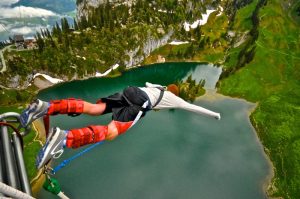
- Bungee Jumping: Leaping off a high platform with a bungee cord attached provides a heart-pounding freefall experience. Strict safety protocols and professional supervision are vital for a safe jump.
- Paragliding: Soaring through the air with a parachute-like wing offers a bird’s eye view of the landscape below. Training with experienced pilots and understanding weather conditions is crucial for a safe flight.
Outcome Summary
In conclusion, Eco-Friendly Island Retreats offer a perfect blend of luxury, sustainability, and natural beauty, ensuring a rejuvenating escape that leaves a lasting impact on both the traveler and the planet.
FAQ Corner
Are Eco-Friendly Island Retreats more expensive than traditional accommodations?
Eco-Friendly Island Retreats can vary in price, but many offer competitive rates compared to luxury resorts, especially considering the added value of sustainability and environmental consciousness.
What activities can I expect at Eco-Friendly Island Retreats?
Activities at these retreats often include nature walks, wildlife watching, sustainable dining experiences, and eco-friendly excursions to explore the surrounding natural beauty.
How can I ensure my stay at an Eco-Friendly Island Retreat is truly eco-friendly?
To ensure an eco-friendly stay, guests can participate in recycling programs, conserve water and energy, support local communities, and engage in activities that promote environmental awareness and conservation.