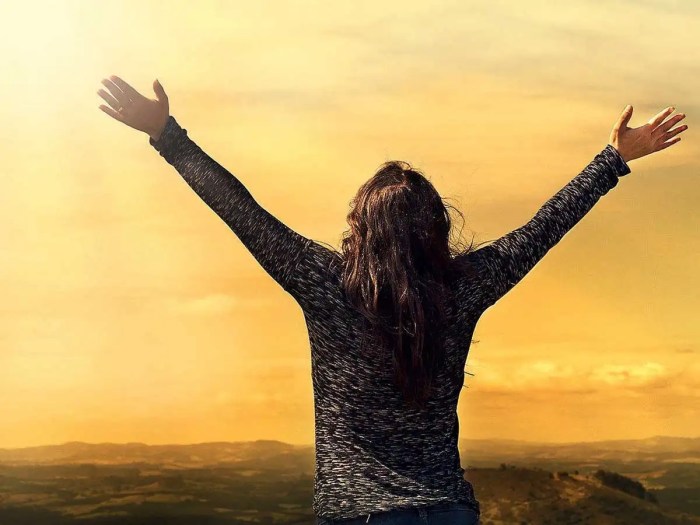
Embark on a transformative journey towards inner peace with Pilgrimage for Inner Peace. Discover how travel experiences can lead to profound emotional and mental benefits, ultimately fostering a sense of harmony within oneself.
Introduction to Pilgrimage for Inner Peace
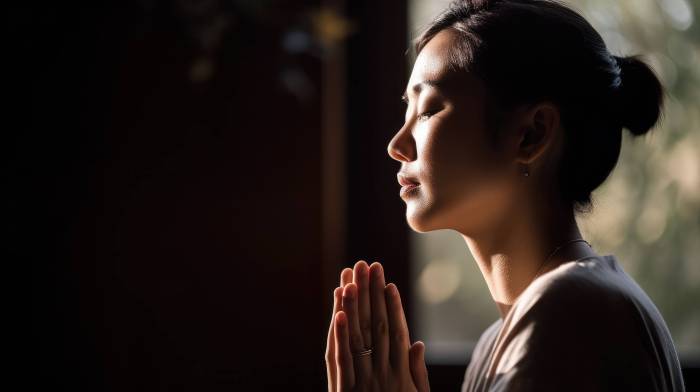
Inner peace, in the context of a pilgrimage, refers to a state of calmness, tranquility, and harmony that individuals seek to achieve through spiritual or meaningful journeys to sacred places.
Seeking inner peace through travel experiences holds great significance as it allows individuals to disconnect from the hustle and bustle of daily life, introspect, and connect with their spiritual side. It provides a space for reflection, self-discovery, and personal growth.
The Transformative Journey of Pilgrimage
Pilgrimage can be a transformative journey towards inner harmony by offering individuals the opportunity to leave behind their worries, cleanse their minds, and focus on spiritual renewal. The act of embarking on a pilgrimage can foster a sense of purpose, gratitude, and emotional healing.
Planning a Spiritual Pilgrimage
Embarking on a spiritual pilgrimage is a deeply personal journey that requires careful planning and thoughtful consideration. Here are some tips to help you choose the right destination and prepare yourself for this transformative experience.
Choosing the Right Destination
When selecting a destination for your spiritual pilgrimage, consider places that hold significance in your beliefs or resonate with your spiritual practices. Whether it’s a sacred site, a place of natural beauty, or a religious landmark, ensure that the location aligns with your spiritual goals and intentions.
Importance of Preparation and Mindset
Before setting out on your pilgrimage, take the time to prepare yourself both mentally and emotionally. Reflect on your reasons for undertaking this journey, set clear intentions, and cultivate a mindset of openness and receptivity. Prepare yourself for the challenges and blessings that may arise along the way.
Types of Spiritual Pilgrimages
Spiritual pilgrimages come in various forms, depending on individual beliefs and practices. Some may focus on visiting holy sites or participating in religious rituals, while others may involve nature walks, meditation retreats, or self-reflection exercises. Choose a pilgrimage that resonates with your spiritual path and values.
Experiencing Inner Peace through Pilgrimage
Embarking on a pilgrimage can have profound emotional and mental benefits for individuals seeking inner peace. The journey itself, often filled with challenges and self-reflection, can lead to a sense of clarity and spiritual fulfillment.
Emotional and Mental Benefits of Pilgrimage
- Pilgrimage provides a break from the routine of daily life, allowing individuals to disconnect from stressors and focus on their inner selves.
- The physical act of walking or traveling to sacred sites can be meditative and calming, promoting mental relaxation and mindfulness.
- Meeting fellow pilgrims and sharing experiences can create a sense of community and belonging, reducing feelings of isolation and loneliness.
Personal Stories of Inner Peace Found through Pilgrimage
- Emma, a middle-aged woman, embarked on a pilgrimage to the Camino de Santiago and found solace in the simplicity of daily walking and the camaraderie of other travelers. She returned home with a renewed sense of peace and purpose.
- John, a busy executive, took a break from his demanding job to trek to a remote Buddhist monastery in the Himalayas. Surrounded by nature and silence, he experienced a profound sense of calm and clarity that stayed with him long after he returned.
Role of Nature, Culture, and Spirituality in Fostering Inner Peace
- Nature: Being surrounded by natural beauty during a pilgrimage can evoke a sense of awe and connection to something greater than oneself, promoting inner peace and harmony.
- Culture: Immersing oneself in different cultures and traditions during a pilgrimage can broaden perspectives, cultivate empathy, and foster a sense of unity with humanity, leading to inner peace.
- Spirituality: Engaging in spiritual practices, such as prayer, meditation, or rituals at sacred sites, can deepen one’s spiritual connection and provide a sense of purpose and tranquility, contributing to inner peace.
Combining Inner Peace with Adventure
When embarking on a spiritual pilgrimage, it is possible to combine the quest for inner peace with adventurous activities to enhance the overall experience. By engaging in activities such as hiking, trekking, or camping, pilgrims can find a unique balance between seeking spiritual enlightenment and enjoying thrilling adventures.
Exploring Nature Through Hiking
One way to combine inner peace with adventure during a pilgrimage is to go hiking in serene natural surroundings. Walking through lush forests, up mountains, or along picturesque trails can offer a meditative experience while also providing an adrenaline rush.
Trekking to Sacred Sites
Trekking to sacred sites can be a profound way to connect with spirituality while engaging in a physically demanding adventure. The journey to these sacred places often involves challenging terrains and long distances, testing the pilgrim’s physical and mental strength.
Camping Under the Stars
Spending a night camping under the stars can be a transformative experience during a spiritual pilgrimage. Sleeping in nature, away from the distractions of modern life, allows pilgrims to find inner peace while immersing themselves in the beauty of the natural world.
Pilgrimage as a Form of Self-Discovery
Embarking on a pilgrimage can be a profound journey of self-discovery and personal growth, allowing individuals to delve deep into their inner selves and explore their true essence.
Challenges and Obstacles During a Pilgrimage for Inner Peace
While on a pilgrimage for inner peace, individuals may encounter various challenges and obstacles that test their determination and resilience. These may include physical exhaustion, emotional turmoil, cultural differences, and unexpected setbacks along the way.
- Physical challenges such as long hours of walking, extreme weather conditions, and inadequate rest can push individuals to their limits, requiring perseverance and strength to overcome.
- Emotional obstacles like homesickness, loneliness, or unresolved inner conflicts may surface during the pilgrimage, urging individuals to confront their emotions and find inner peace amidst the turmoil.
- Navigating through unfamiliar territories, language barriers, and cultural differences can present challenges in communication and understanding, fostering a sense of adaptability and open-mindedness.
- Dealing with unexpected setbacks such as transportation delays, accommodation issues, or health concerns can disrupt the pilgrimage journey, prompting individuals to stay grounded and resilient in the face of adversity.
Techniques for Enhancing Self-Awareness and Mindfulness During the Pilgrimage
Practicing self-awareness and mindfulness can greatly enhance the transformative experience of a pilgrimage for inner peace, allowing individuals to cultivate a deeper connection with themselves and their surroundings.
- Engage in daily reflection and journaling to process thoughts, emotions, and insights gained during the pilgrimage, fostering self-awareness and introspection.
- Practice mindfulness through meditation, breathing exercises, or mindful walking to stay present in the moment, appreciate the journey, and cultivate a sense of inner peace.
- Connect with nature, sacred sites, and local communities along the pilgrimage route to foster a deeper sense of connection, spirituality, and gratitude for the surroundings and experiences encountered.
- Seek guidance from spiritual leaders, mentors, or fellow pilgrims to gain valuable insights, wisdom, and support in navigating through challenges and fostering personal growth on the pilgrimage journey.
Reflecting on the Pilgrimage Experience
Reflecting on the insights gained during a pilgrimage for inner peace is a crucial step in integrating the experience into your life. It allows you to deepen your understanding of yourself, the world around you, and your spiritual journey.
Significance of Journaling or Documenting the Pilgrimage Experience
Documenting your pilgrimage experience through journaling or other forms of documentation can be immensely beneficial for personal growth. By recording your thoughts, feelings, and experiences during the pilgrimage, you create a tangible record that you can revisit in the future. This allows you to reflect on your journey, gain new insights, and track your personal growth over time. Journaling also helps you process emotions, clarify your thoughts, and deepen your connection to the spiritual aspects of the pilgrimage.
Incorporating Lessons Learned into Everyday Life
After completing a pilgrimage for inner peace, it’s essential to find ways to incorporate the lessons learned into your everyday life for sustained inner peace. This can be achieved by setting aside time for reflection, meditation, and mindfulness practices. By integrating the insights gained during the pilgrimage into your daily routine, you can maintain a sense of inner peace and spiritual connection.
It’s also helpful to stay connected to the community you encountered during the pilgrimage, whether through online channels or local gatherings, to continue sharing and learning from each other’s experiences.
Summary
In conclusion, Pilgrimage for Inner Peace offers a unique opportunity for self-discovery, personal growth, and sustained inner peace. Reflect on the insights gained during the pilgrimage experience and find ways to integrate these lessons into everyday life for a fulfilling journey.
Top FAQs
How do I choose the right destination for a spiritual pilgrimage?
Consider your beliefs, interests, and desired experiences to find a destination that resonates with your spiritual journey.
What types of spiritual pilgrimages are there based on beliefs and practices?
There are cultural, religious, historical, and nature-based pilgrimages, each offering unique spiritual experiences.
How can adventure activities complement a spiritual pilgrimage?
Adventure activities like hiking or camping can add a thrilling element to the spiritual journey, enhancing the overall experience.
What are some techniques for enhancing self-awareness during a pilgrimage?
Practicing mindfulness, journaling, and reflecting on your experiences can help deepen your self-awareness during the pilgrimage.