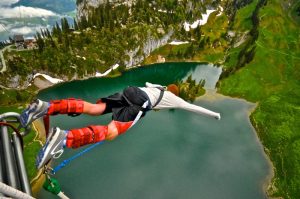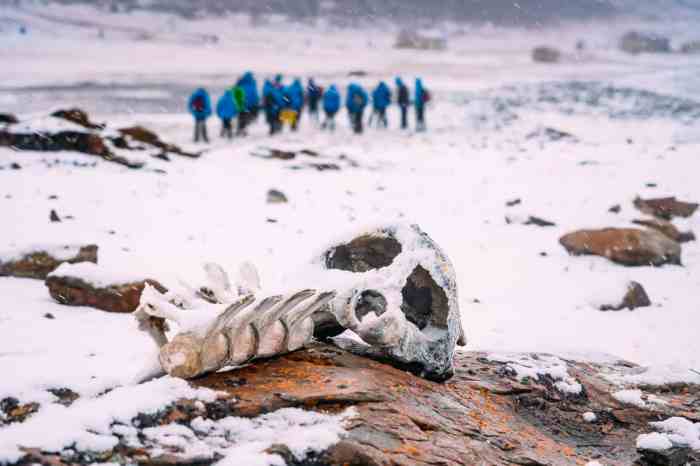
Embark on a thrilling journey through the icy landscapes of the Arctic with the best expeditions waiting to be explored. From unique features to ideal timing, discover the ultimate Arctic adventures that await you.
Best Arctic Expeditions
Embarking on an Arctic expedition is a once-in-a-lifetime experience that offers a unique opportunity to explore the breathtaking beauty of the northernmost regions of the world. Here are the top 5 Arctic expeditions that stand out for their remarkable features and experiences:
1. North Pole Expedition
The North Pole expedition takes you to the very top of the world, where you can stand on the Arctic ice and witness the mesmerizing sight of 360 degrees of pure white wilderness. This expedition is known for its unparalleled sense of adventure and thrill.
2. Svalbard Expedition
Svalbard, located between Norway and the North Pole, is a haven for wildlife enthusiasts. This expedition offers a chance to witness polar bears, walruses, and various bird species in their natural habitat. The stunning glaciers and fjords of Svalbard add to the beauty of this expedition.
3. Greenland Expedition
Greenland’s vast icy landscapes and towering icebergs make it a must-visit destination for nature lovers. The Greenland expedition allows you to explore the remote villages, witness the Northern Lights, and experience the unique Inuit culture.
4. Canadian Arctic Expedition
The Canadian Arctic expedition takes you through the stunning landscapes of the Canadian Arctic Archipelago. This adventure offers opportunities to spot diverse wildlife, including whales, seals, and seabirds, while exploring historic sites and learning about the indigenous Inuit culture.
5. Northwest Passage Expedition
The Northwest Passage expedition traces the historic route through the Arctic Ocean, connecting the Atlantic and Pacific Oceans. This journey offers a glimpse into the exploration history of the region and allows travelers to witness the unique wildlife and stunning landscapes along the way.
Best Time to Embark on Arctic Expeditions
The best time to embark on Arctic expeditions is during the summer months, typically between June and August. This period offers milder temperatures, longer daylight hours, and better chances of spotting wildlife, making it an ideal time for exploring the Arctic region.
Costs and Duration of Arctic Expeditions
The costs and duration of Arctic expeditions vary depending on the specific itinerary, accommodations, and activities included. On average, a standard Arctic expedition can range from $5,000 to $15,000 per person and may last anywhere from 7 to 14 days. Luxury expeditions with additional amenities and activities can cost significantly more.
Shopping Vacation
When it comes to shopping in the Arctic regions, the experience is vastly different from what you might find in urban areas. The remote locations offer unique souvenirs, shopping destinations, and a focus on sustainability that sets them apart from traditional shopping experiences.
Unique Arctic Souvenirs
In the Arctic, you can find a variety of unique souvenirs that reflect the local culture and environment. These can include handmade crafts, traditional clothing, indigenous artwork, and items made from local materials such as reindeer antlers or sealskin. These souvenirs not only serve as mementos of your trip but also support local artisans and communities.
Shopping Destinations
While shopping opportunities may be limited in remote Arctic locations, there are still some notable destinations to explore. Places like local markets, artisan workshops, and specialty stores offer a range of authentic goods that you won’t find anywhere else. Keep in mind that opening hours and availability of items may vary, so it’s best to plan your shopping outings accordingly.
Sustainability Aspect
Sustainability is a key focus in remote Arctic locations, where the fragile ecosystem and indigenous cultures are highly valued. When shopping in these areas, consider supporting local businesses, buying handmade or locally sourced products, and being mindful of your environmental impact. By purchasing responsibly, you can help preserve the unique environment and traditions of the Arctic.
Tips for Shopping Enthusiasts
- Research local artisans and unique products before your trip to the Arctic.
- Be respectful of indigenous cultures and traditions when purchasing souvenirs.
- Look for eco-friendly and sustainable goods to support responsible shopping practices.
- Keep in mind that prices may be higher in remote Arctic locations due to transportation costs and limited availability.
- Take the time to explore different shopping destinations and interact with local vendors to learn more about their crafts and culture.
Music Festival Tour
Music festivals in the Arctic region offer a unique and unforgettable experience, blending the beauty of the surroundings with the joy of live music. Organizing such events in remote Arctic areas poses several challenges, from transportation and logistics to ensuring the safety and comfort of attendees. Despite these obstacles, the cultural significance of music festivals in Arctic communities cannot be overstated, bringing people together to celebrate music, art, and the spirit of unity.
Challenges of Organizing Music Festivals in the Arctic
- Extreme weather conditions: Arctic regions are known for harsh weather, making it challenging to set up stages, equipment, and provide adequate shelter for attendees.
- Limited infrastructure: Remote Arctic areas often lack the necessary facilities and infrastructure required for hosting large-scale events, adding complexity to organizing music festivals.
- Transportation issues: Accessing remote Arctic locations can be difficult, with limited transportation options available for both attendees and performers.
Cultural Significance of Arctic Music Festivals
- Preservation of traditions: Music festivals in the Arctic help preserve and showcase indigenous cultures, traditions, and music styles unique to the region.
- Community bonding: These festivals bring together people from different Arctic communities, fostering a sense of unity and shared cultural heritage.
- Tourism and economy boost: Arctic music festivals attract visitors from around the world, boosting local economies and promoting cultural exchange.
Famous Arctic Music Festivals
-
Ilulissat Icefjord Concert
: Held in Greenland, this unique music festival takes place against the backdrop of the stunning Ilulissat Icefjord, featuring a mix of local and international artists.
-
Dark Music Days
: Iceland’s renowned contemporary music festival, Dark Music Days, showcases experimental and avant-garde music in the heart of Reykjavik.
-
Arctic Sounds Festival
: Located in Svalbard, Norway, this festival celebrates Arctic culture through music, dance, and art, drawing attendees from across the globe.
Rainforest Exploration
Rainforest exploration offers a stark contrast to Arctic expeditions, providing travelers with a lush and vibrant ecosystem to discover. The dense vegetation, diverse wildlife, and humid climate create a unique and immersive experience for adventurers.
Biodiversity and Ecosystems
In rainforests, travelers can encounter a wide range of biodiversity, from colorful birds and monkeys to exotic insects and plants. The canopy layer, understory, and forest floor all support different species, showcasing the interconnectedness of the ecosystem.
Flora and Fauna
Flora
Rainforests boast a plethora of plant species, including towering trees like the kapok and fig, as well as unique orchids, bromeliads, and ferns. The abundance of vegetation provides habitat and sustenance for a variety of animals.
Fauna
From jaguars and sloths to toucans and poison dart frogs, rainforests are home to a vast array of wildlife. The intricate food web and adaptations of these creatures highlight the complexity and resilience of the ecosystem.
Travel Tips
- Pack light but essential gear, such as insect repellent, sturdy footwear, and rain gear, to navigate the dense vegetation and unpredictable weather.
- Respect the environment by following designated trails, avoiding littering, and refraining from disturbing wildlife to preserve the delicate balance of the rainforest.
- Engage with local guides or experts to gain insights into the flora, fauna, and conservation efforts in the region, enhancing your understanding and appreciation of the rainforest ecosystem.
Spiritual Pilgrimage
Embarking on a spiritual pilgrimage in the Arctic region offers a unique opportunity to connect with nature, find inner peace, and delve into the spiritual essence of this remote and stunning landscape.
Spiritual Sites in the Arctic
The Arctic region is home to a myriad of spiritual sites that hold deep significance for indigenous communities and travelers seeking spiritual enlightenment. From ancient Inuit ceremonial grounds to breathtaking ice caves, the Arctic is filled with sacred spaces that inspire awe and contemplation.
Spiritual Practices in the Arctic
- One of the most common spiritual practices in the Arctic involves connecting with the land through meditation and reflection. Many visitors find solace in the vast, untouched wilderness of the Arctic, allowing them to reconnect with their inner selves.
- Some indigenous communities in the Arctic practice traditional rituals and ceremonies that honor the natural world and its inhabitants. These rituals often involve storytelling, drumming, and dance to express gratitude and reverence for the environment.
Experiences of Spiritual Pilgrims
Individuals who have undertaken spiritual pilgrimages in the Arctic often describe a profound sense of peace and connection with the Earth. The stark beauty of the Arctic landscape and the quietude of its remote locations create the perfect setting for spiritual introspection and growth.
Recommendations for Spiritual Retreats
- Consider joining a guided spiritual retreat led by indigenous elders or experienced spiritual guides who can offer insights into the traditional practices and beliefs of the Arctic communities.
- Take time to immerse yourself in the natural surroundings of the Arctic, whether through hiking, kayaking, or simply sitting in silence and observing the beauty of the landscape.
- Respect the local traditions and customs of the Arctic communities you encounter, showing gratitude and reverence for the land and its inhabitants during your spiritual journey.
Geotourism Adventure
Geotourism involves exploring and appreciating the natural and cultural heritage of a destination in a way that promotes conservation and sustainability. In the context of Arctic expeditions, geotourism plays a crucial role in highlighting the unique geological features of the region while fostering a deeper understanding of the delicate Arctic ecosystem.
Geological Features of the Arctic
The Arctic is a geotourism hotspot due to its fascinating geological features shaped by various natural processes over millions of years. Some of the notable geological attractions in the Arctic include:
- The rugged fjords carved by ancient glaciers, showcasing the immense power of ice and water.
- The towering icebergs that calve off massive ice sheets, providing a glimpse into the dynamic nature of polar landscapes.
- The vast tundra regions with permafrost, offering insights into the impacts of climate change on the Arctic environment.
- The unique rock formations and mineral deposits that hold clues to the Earth’s geological history.
Geotourism Activities in the Arctic
Exploring the geological wonders of the Arctic can be a rewarding experience for travelers interested in geotourism. Some activities that allow visitors to engage with the geological heritage of the region include:
- Guided hikes to observe and learn about glacial landforms and rock formations.
- Boat tours to witness calving glaciers and icebergs up close, providing a perspective on the ongoing processes shaping the Arctic landscape.
- Visits to geological sites with expert guides who explain the significance of different geological features and their relevance to the Arctic ecosystem.
- Participation in citizen science projects focused on monitoring geological changes in the Arctic region, contributing to ongoing research efforts.
Educational Aspects of Geotourism Adventures in the Arctic
Geotourism adventures in the Arctic offer valuable educational opportunities for travelers to deepen their understanding of geology, climate change, and environmental conservation. By engaging with the geological features of the Arctic firsthand, visitors can gain insights into:
- The role of glaciers in shaping the landscape and influencing global climate patterns.
- The impact of human activities on geological processes and the fragile Arctic ecosystem.
- The significance of preserving geological heritage for future generations and the importance of sustainable tourism practices in the region.
- The interconnectedness of geology, biology, and climate in the Arctic environment, highlighting the need for holistic conservation approaches.
Birdwatching Vacation
Birdwatching in the Arctic is a unique and rewarding experience for nature enthusiasts. The vast, untouched landscapes provide the perfect backdrop for observing a variety of bird species in their natural habitat.
Popular Bird Species in the Arctic
- The Snowy Owl: Known for its striking white plumage, the Snowy Owl is a common sight in the Arctic region.
- The Gyrfalcon: The largest falcon in the world, the Gyrfalcon can be spotted soaring through the Arctic skies.
- The Common Eider: These large sea ducks can be seen nesting along the Arctic coastlines.
- The Red-throated Loon: With its distinctive red throat and haunting call, the Red-throated Loon is a favorite among birdwatchers.
Best Locations and Seasons for Birdwatching
- Svalbard, Norway: The summer months of June to August offer the best chance to spot a wide variety of bird species in Svalbard.
- Churchill, Canada: Known as the “Polar Bear Capital of the World,” Churchill is also a hotspot for birdwatching, especially during the spring and fall migration seasons.
Tips for Amateur Birdwatchers
- Invest in a good pair of binoculars to enhance your birdwatching experience.
- Join guided birdwatching tours led by experienced naturalists to learn more about the local bird species.
- Be patient and observant, as birds in the Arctic may be more elusive compared to other regions.
Challenges of Birdwatching in the Arctic
- Extreme weather conditions: Be prepared for cold temperatures and unpredictable weather patterns while birdwatching in the Arctic.
- Remote locations: Accessing some of the best birdwatching spots in the Arctic may require travel by boat, snowmobile, or on foot, adding an element of adventure to your experience.
Remote Island Retreat
Remote island retreats in the Arctic offer a unique and secluded experience for those seeking tranquility and isolation amidst breathtaking natural landscapes.
Islands for Retreats
Some remote islands in the Arctic that are perfect for retreats include:
- Greenland: Known for its stunning glaciers and vast wilderness, Greenland offers a peaceful escape for those looking to disconnect from the world.
- Svalbard: With its polar bears and Arctic scenery, Svalbard provides a remote and adventurous retreat for nature enthusiasts.
- Wrangel Island: Located in the Russian Arctic, Wrangel Island is a UNESCO World Heritage Site known for its diverse wildlife and pristine landscapes, ideal for a secluded retreat.
Accommodation Options
Accommodation on remote Arctic islands ranges from cozy cabins and eco-friendly lodges to luxury Arctic safari camps, providing a range of options for every traveler’s comfort level.
Tranquility and Isolation
During a remote island retreat in the Arctic, visitors can experience unparalleled tranquility and isolation, surrounded by untouched nature and the soothing sounds of the Arctic wilderness. The absence of light pollution also offers the chance to witness the mesmerizing Northern Lights dance across the night sky, adding to the overall sense of peace and serenity.
Volunteer Vacation
Volunteering in Arctic communities offers a unique opportunity to make a meaningful impact on conservation efforts while experiencing the beauty of this remote region.
Opportunities for Volunteering in Arctic Communities
Volunteering in Arctic communities can involve assisting with wildlife research, participating in clean-up efforts, supporting local education programs, or helping to maintain community infrastructure.
Impact of Volunteer Work on Arctic Conservation Efforts
- Volunteers play a crucial role in monitoring and protecting Arctic wildlife and ecosystems.
- Their efforts contribute to raising awareness about environmental issues and promoting sustainable practices in the region.
- Volunteer work can also foster positive relationships between local communities and conservation organizations.
Personal Stories and Testimonials
“Volunteering in the Arctic was a life-changing experience. I had the opportunity to work alongside passionate individuals dedicated to preserving this fragile ecosystem.”
Sarah, Volunteer
Resources for Organizing a Volunteer Vacation in the Arctic
For those interested in organizing a volunteer vacation in the Arctic, there are various organizations and programs that facilitate these opportunities. Some resources include Arctic Expeditions, Conservation International, and World Wildlife Fund.
Farm Stay Vacation
Embarking on a farm stay vacation in the Arctic offers a unique opportunity to immerse oneself in the local agricultural lifestyle and experience the beauty of the region in a more intimate way.
Challenges and Rewards of Agricultural Activities in Arctic Regions
Operating a farm in the Arctic presents a myriad of challenges due to the harsh climate and limited growing season. However, the rewards of successfully cultivating crops and raising livestock in such extreme conditions can be incredibly fulfilling.
- Challenges:
- Short growing season
- Extreme cold temperatures
- Limited access to resources
- Rewards:
- Unique crops and livestock breeds
- Breathtaking Arctic landscapes
- Sustainable farming practices
Unique Experiences and Activities Offered During Farm Stay Vacations in the Arctic
During a farm stay vacation in the Arctic, travelers can participate in a variety of hands-on activities and immersive experiences that offer a glimpse into the daily life of Arctic farmers.
- Feeding and caring for animals
- Harvesting crops in the midnight sun
- Learning traditional farming techniques
- Exploring the Arctic wilderness on guided tours
Tips for Travelers Considering a Farm Stay Vacation in the Arctic
For travelers interested in a farm stay vacation in the Arctic, it’s essential to be prepared for the unique challenges and rewards that come with agricultural activities in this region. Here are some tips to make the most of your experience:
- Pack appropriate clothing for the cold weather.
- Be open to trying new foods made from locally grown ingredients.
- Respect the environment and follow sustainable practices during your stay.
- Engage with the local community and learn about their way of life.
Educational Vacation
Traveling to the Arctic offers a unique opportunity to combine exploration with education. The vast landscapes and diverse ecosystems of the Arctic provide a rich learning experience for those interested in science, wildlife, history, and culture.
Educational Opportunities in the Arctic
- Arctic Research Stations: Institutions such as the Arctic Research Station in Greenland offer educational programs that allow participants to learn about climate change, polar ecosystems, and Arctic cultures firsthand.
- Local Communities: Visiting indigenous communities in the Arctic provides insight into traditional knowledge, sustainable living practices, and the impacts of climate change on local populations.
- Wildlife Conservation: Educational tours focused on Arctic wildlife conservation offer the chance to learn about species such as polar bears, walruses, and Arctic foxes, as well as the challenges they face in a changing environment.
Benefits of Educational Arctic Expeditions
- Hands-on Learning: Participants have the opportunity to engage in field research, wildlife observation, and cultural activities under the guidance of experts in various fields.
- Cultural Immersion: Learning about the history, traditions, and daily life of Arctic communities fosters cultural understanding and appreciation.
- Environmental Awareness: Experiencing the fragile Arctic ecosystem firsthand can inspire a deeper commitment to conservation and sustainability efforts.
Recommendations for Educational Vacation Itineraries
- Arctic Science Expedition: Join a research team studying Arctic wildlife and ecosystems to gain insight into ongoing scientific efforts in the region.
- Cultural Exchange Program: Participate in a homestay with an indigenous family to learn about their traditions, language, and connection to the land.
- Photography Workshop: Enroll in a photography tour led by professionals to capture the beauty of the Arctic landscapes while learning about composition and technique.
Hiking and Trekking
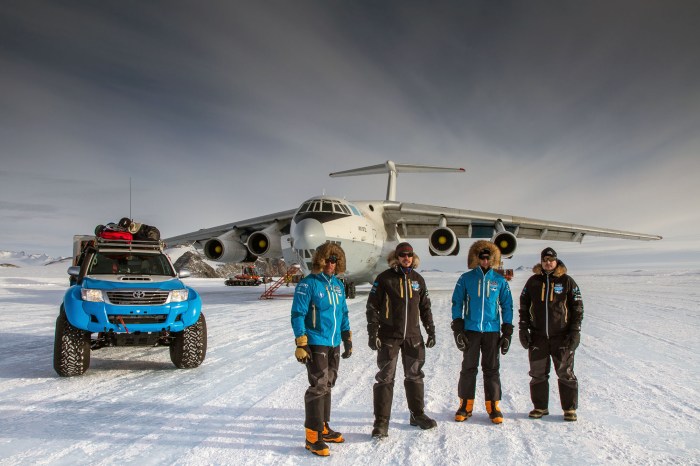
Hiking and trekking in the Arctic offer unique challenges and rewards for outdoor enthusiasts. The vast landscapes, stunning scenery, and diverse wildlife make it a memorable experience for those who are up for the adventure.
Best Hiking and Trekking Routes in the Arctic
- The Arctic Circle Trail in Greenland: A 100-mile trek through the stunning wilderness of Greenland, offering breathtaking views of mountains, lakes, and the Northern Lights.
- Laugavegur Trail in Iceland: A challenging trek through volcanic landscapes, hot springs, and glaciers, showcasing the diverse beauty of Iceland.
- Arctic National Wildlife Refuge in Alaska: Explore the remote wilderness of Alaska on this trail, surrounded by rugged mountains, pristine lakes, and abundant wildlife.
Challenges and Rewards of Hiking in Arctic Terrain
- Challenges: Harsh weather conditions, unpredictable terrain, and limited access to facilities pose challenges for hikers in the Arctic.
- Rewards: Breathtaking scenery, unique wildlife encounters, and a sense of accomplishment await those who brave the Arctic wilderness.
Safety Tips and Gear Essentials for Arctic Hiking and Trekking
- Always check the weather forecast and be prepared for sudden changes in weather.
- Carry essential gear such as a reliable GPS device, extra food and water, emergency shelter, and proper clothing for layering.
- Inform someone about your hiking plans and expected return time before setting out on a trek.
Insights on Flora, Fauna, and Landscapes during Arctic Hikes
- Flora: Arctic tundra is home to unique plant species adapted to cold temperatures, including mosses, lichens, and dwarf shrubs.
- Fauna: Arctic wildlife such as polar bears, reindeer, arctic foxes, and migratory birds can be spotted during hikes in the region.
- Landscapes: Glaciers, fjords, icebergs, and snow-capped mountains create a stunning backdrop for hikers exploring the Arctic wilderness.
Camping
Camping in the Arctic offers a unique experience compared to other destinations, with its pristine wilderness and breathtaking landscapes. The extreme cold and harsh conditions make proper gear and preparation crucial for a safe and enjoyable camping trip.
Importance of Proper Gear and Preparation
- Invest in high-quality, cold-weather gear such as insulated clothing, a sturdy tent, a warm sleeping bag, and reliable footwear.
- Stock up on essential supplies like food, water, a portable stove, and a first aid kit.
- Check the weather forecast and familiarize yourself with survival techniques in case of emergencies.
Tips for Staying Safe and Comfortable
- Dress in layers to stay warm and dry, and always keep spare clothes in case of getting wet.
- Stay hydrated and well-fed to maintain energy levels in the cold climate.
- Be aware of wildlife in the area and follow proper food storage guidelines to avoid attracting animals to your campsite.
Recommendations for Scenic Camping Sites
- Explore the stunning landscapes of Svalbard, Norway, for a unique Arctic camping experience.
- Discover the beauty of Greenland’s Ilulissat Icefjord, offering incredible views of glaciers and icebergs.
- Visit Canada’s Auyuittuq National Park in Nunavut for a remote camping adventure surrounded by mountains and tundra.
Cycling and Mountain Biking
Cycling and mountain biking in the Arctic present unique challenges and opportunities for adventure enthusiasts looking to explore the stunning landscapes of the region. From icy tundras to rugged terrains, cyclists can immerse themselves in the raw beauty of the Arctic wilderness while experiencing the thrill of outdoor exploration.
Popular Cycling Routes and Mountain Biking Trails
- The Dempster Highway in Canada’s Yukon and Northwest Territories offers cyclists a challenging yet rewarding journey through vast wilderness and stunning mountain vistas.
- The Lofoten Islands in Norway provide breathtaking coastal views and challenging mountain biking trails for those seeking a mix of coastal and mountain terrain.
- The Kungsleden Trail in Sweden is a popular route for cyclists looking to experience the Arctic wilderness, with opportunities to spot wildlife and soak in the serene beauty of the Swedish Lapland.
Cyclists’ Experiences in the Arctic Wilderness
- Cyclists who have explored the Arctic wilderness often share stories of encountering unique wildlife such as polar bears, reindeer, and arctic foxes along their journey.
- The sense of solitude and connection with nature that cyclists experience in the Arctic is unparalleled, offering a truly unforgettable adventure for those willing to pedal through challenging terrains.
- From navigating icy roads to pedaling through snow-covered landscapes, cyclists in the Arctic must be well-prepared for the unpredictable weather conditions and rugged terrain.
Tips for Cyclists Planning an Arctic Adventure
- Ensure you have the right gear, including cold-weather cycling clothing, sturdy tires, and navigation tools to help you navigate remote Arctic routes.
- Research the specific challenges of the route you plan to take, including weather conditions, elevation changes, and wildlife encounters, to prepare adequately for your journey.
- Stay informed about local regulations and safety guidelines for cycling in the Arctic, as well as respecting the fragile ecosystems and wildlife habitats you may encounter along the way.
Fishing and Angling
Fishing and angling in the Arctic region offer unique experiences for enthusiasts seeking a challenge in pristine and remote waters. The Arctic is home to a variety of fish species, making it a paradise for anglers looking to test their skills in this extreme environment.
Best Fishing Spots in the Arctic
- The Barents Sea: Known for its rich marine life, the Barents Sea is a popular spot for fishing in the Arctic. Anglers can expect to catch species like cod, haddock, and halibut.
- Svalbard: The waters around Svalbard are teeming with Arctic char, Atlantic salmon, and Greenland halibut, providing ample opportunities for anglers to reel in some impressive catches.
- Greenland: With its crystal-clear waters, Greenland offers anglers the chance to target species such as Arctic char, salmon, and trout in a stunning Arctic landscape.
Abundance of Fish Species in Arctic Waters
The Arctic waters are home to a diverse range of fish species, including Arctic char, cod, halibut, salmon, and trout. These fish thrive in the cold waters of the Arctic and provide a unique fishing experience for anglers looking to explore this remote region.
Sustainable Fishing Practices for Arctic Expeditions
- Practice catch and release: Anglers can help preserve fish populations by practicing catch and release techniques, allowing the fish to thrive and reproduce.
- Use barbless hooks: Using barbless hooks can reduce harm to fish and make it easier to release them back into the water unharmed.
- Respect fishing regulations: It’s important for anglers to follow local fishing regulations to ensure the sustainability of fish populations in the Arctic.
Cultural Significance of Fishing in Arctic Communities
Fishing holds a deep cultural significance in Arctic communities, where it has been a way of life for generations. Fish is a vital food source in these remote regions, and fishing traditions are passed down through families, connecting people to their heritage and the natural environment.
Kayaking and Canoeing
Kayaking and canoeing in Arctic waters offer an exhilarating experience unlike any other. Paddling through icy waters surrounded by stunning landscapes and wildlife is a true adventure for outdoor enthusiasts.
Unique Opportunities in the Arctic
- Arctic kayaking allows paddlers to explore remote areas that are inaccessible by other means of transportation.
- Paddlers have the chance to see unique Arctic wildlife such as polar bears, seals, and whales up close.
- The Arctic offers a serene and peaceful environment for kayaking, with breathtaking views of glaciers, icebergs, and snow-capped mountains.
Safety Tips and Equipment Recommendations
- Always wear a dry suit to protect yourself from the cold water temperatures in the Arctic.
- Bring along essential safety gear such as a marine radio, GPS device, and signaling equipment in case of emergencies.
- Travel with an experienced guide who is familiar with the Arctic waters and knows how to navigate safely.
Beginner-Friendly Kayaking Routes
- One beginner-friendly route is paddling through the calm waters of the Svalbard archipelago in Norway, where you can spot Arctic wildlife and stunning scenery.
- Another option is exploring the sheltered bays and inlets of Baffin Island in Canada, known for its calm waters and beautiful landscapes.
- For those looking for a more challenging but still beginner-friendly route, consider kayaking along the coast of Greenland, where you can paddle past towering icebergs and glaciers.
Rock Climbing and Bouldering
Rock climbing in the Arctic region offers a unique and challenging experience for adventure enthusiasts. The rugged terrain, icy conditions, and remote locations make it a thrilling activity for those seeking an adrenaline rush in a pristine wilderness setting.
Rock Climbing Scene in the Arctic
The Arctic region is known for its vast expanses of untouched wilderness and towering rock formations, making it a paradise for rock climbers and boulderers looking to test their skills in a rugged environment. Popular areas for rock climbing in the Arctic include Baffin Island in Canada and the Kola Peninsula in Russia, where climbers can tackle challenging routes against a backdrop of stunning Arctic scenery.
Challenges and Rewards of Rock Climbing in Remote Arctic Locations
Rock climbing in remote Arctic locations presents unique challenges such as extreme weather conditions, limited access to amenities, and the need for advanced technical skills to navigate the rugged terrain. However, the rewards are immense, with climbers being able to experience the thrill of conquering untouched peaks, witnessing breathtaking views, and immersing themselves in the raw beauty of the Arctic landscape.
Notable Rock Climbing Achievements in the Arctic
Over the years, there have been several notable rock climbing achievements in the Arctic, including first ascents of challenging routes, record-breaking speed climbs, and daring solo expeditions. These achievements showcase the determination, skill, and passion of the climbers who push the boundaries of what is possible in this extreme environment.
Tips for Rock Climbers Planning an Expedition to the Arctic
- Make sure to have the necessary gear and equipment for cold weather climbing, including insulated clothing, crampons, and ice axes.
- Familiarize yourself with the local weather conditions and be prepared for sudden changes in temperature and visibility.
- Plan your route carefully and always inform someone of your itinerary before heading out on a climb.
- Respect the fragile Arctic ecosystem and follow Leave No Trace principles to minimize your impact on the environment.
- Consider hiring a local guide or joining a guided expedition to ensure a safe and successful climbing experience in the Arctic.
Wildlife Watching and Birding
When embarking on Arctic expeditions, wildlife enthusiasts are in for a treat as the region is home to a diverse array of fascinating animals and bird species.
Diverse Wildlife in the Arctic
- The Arctic is known for its iconic polar bears, walruses, seals, and whales that can be spotted in their natural habitat.
- Birdwatchers will be delighted to observe species like the Arctic tern, snowy owl, puffin, and various migratory birds that visit the region.
- Other wildlife such as musk oxen, reindeer, Arctic foxes, and diverse marine life can also be encountered during Arctic expeditions.
Tips for Wildlife Watching and Birding Enthusiasts
- Patience is key when observing wildlife in the Arctic, as animals may take time to appear.
- Bring binoculars and a good camera to capture close-up shots of wildlife without disturbing their natural behavior.
- Respect the environment and keep a safe distance from animals to avoid causing stress or harm to them.
Conservation Efforts for Arctic Wildlife
- Various organizations and researchers work towards protecting Arctic wildlife through habitat preservation and research initiatives.
- Climate change poses a significant threat to Arctic animals, prompting conservation efforts to mitigate its impact on their populations.
- Educational programs and eco-tourism practices aim to raise awareness about the importance of conserving Arctic wildlife.
Responsible Wildlife Watching Practices
- Follow designated trails and guidelines set by tour operators to minimize disturbance to wildlife habitats.
- Avoid feeding wild animals as it can disrupt their natural diet and behavior patterns.
- Dispose of waste properly and reduce plastic usage to prevent pollution that can harm Arctic wildlife.
Trail Running
Trail running in the Arctic offers a unique and challenging experience for outdoor enthusiasts. The rugged terrain, breathtaking landscapes, and unpredictable weather conditions make Arctic trail running an adventure like no other.
Scenic Trail Running Routes in the Arctic
- The Arctic Circle Trail in Greenland offers a 100-mile route through diverse terrain, including mountains, fjords, and tundra.
- Svalbard in Norway provides stunning coastal trails with views of glaciers and Arctic wildlife.
- The Lofoten Islands in Norway offer rugged trails with dramatic mountain peaks and coastal scenery.
Physical and Mental Challenges
- Running in the Arctic requires endurance and strength due to the uneven terrain and harsh weather conditions.
- Navigating through remote areas can be mentally challenging, requiring focus and determination.
- Extreme temperatures and long daylight hours add an extra element of difficulty to Arctic trail running.
Training Tips and Gear Recommendations
- Train on varied terrain to prepare for the rugged conditions of Arctic trails.
- Layer clothing for changing weather and wear trail running shoes with good grip for traction on uneven surfaces.
- Stay hydrated and fuel properly during long runs to maintain energy levels in Arctic environments.
Unique Landscapes Encountered
- Arctic trail running offers stunning views of glaciers, fjords, mountains, and Arctic wildlife.
- Runners may encounter reindeer, polar bears, and seabirds while exploring Arctic trails.
- The vast, untouched wilderness of the Arctic provides a sense of solitude and connection to nature during trail runs.
Adventure Sports
Adventure sports in the Arctic offer a unique and thrilling experience for adrenaline junkies looking to push their limits in extreme conditions. From ice climbing to dog sledding, there are plenty of heart-pounding activities to choose from in this icy wonderland.
Ice Climbing
Ice climbing in the Arctic involves scaling frozen waterfalls and ice formations using specialized equipment like crampons and ice axes. It’s a challenging and exhilarating sport that requires strength, technique, and courage. Safety is paramount in ice climbing, so it’s essential to have proper training and guidance from experienced professionals.
Dog Sledding
Dog sledding is a traditional mode of transportation in the Arctic that has also become a popular adventure sport. Traveling across snowy landscapes pulled by a team of strong and agile sled dogs is a thrilling experience. Participants can learn to drive the sled themselves or sit back and enjoy the ride while taking in the breathtaking Arctic scenery.
Snowmobiling
Snowmobiling is another popular adventure sport in the Arctic, offering high-speed excitement as riders navigate through snowy terrain on powerful machines. It’s essential to follow safety guidelines, wear appropriate gear, and be aware of potential hazards like hidden crevasses or thin ice when snowmobiling in the Arctic.
Combining Adventure Sports
For those seeking an ultimate Arctic adventure, combining multiple sports like ice climbing, dog sledding, and snowmobiling into a single expedition can provide a diverse and unforgettable experience. Planning such a trip with experienced guides and outfitters can ensure a safe and well-rounded adventure in the Arctic.
End of Discussion
Unveil the wonders of the Arctic with a summary of the top expeditions that promise unforgettable experiences amidst the frozen beauty of the North. Start planning your Arctic escapade today!
FAQ Section
What are the best times to embark on Arctic expeditions?
The best times are typically during the summer months when the ice melts and wildlife is more active.
What are the costs and durations of different Arctic expeditions?
Costs and durations vary depending on the specific expedition, ranging from budget-friendly options to luxury experiences.